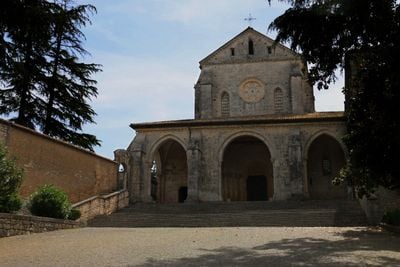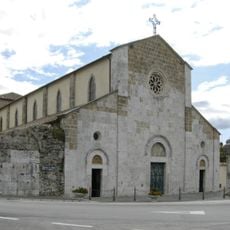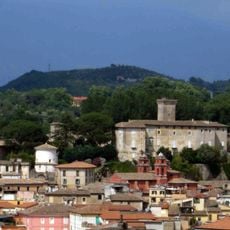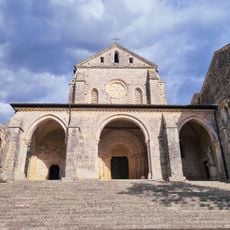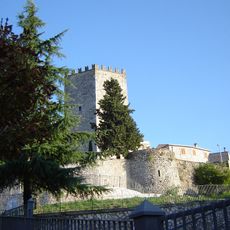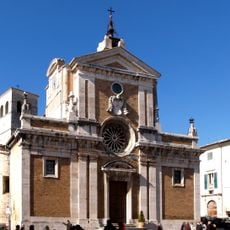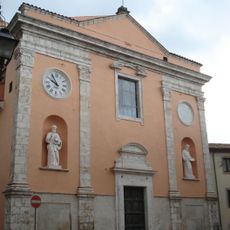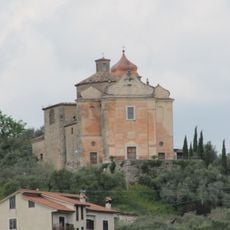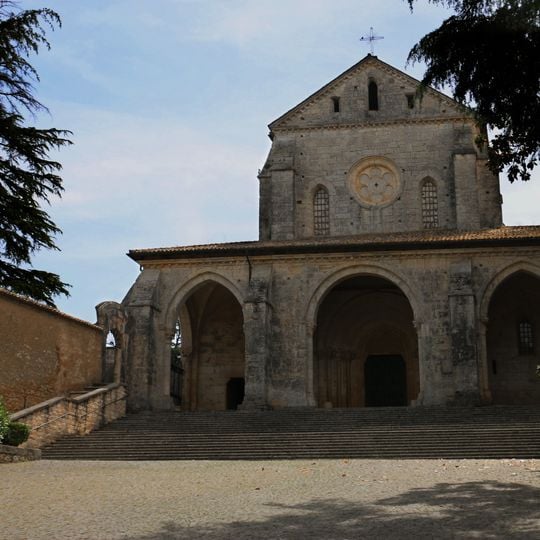
Casamari Abbey, Cistercian monastery in Veroli, Italy.
Casamari Abbey is a Trappist monastery and museum in Veroli built according to French architectural principles. The complex includes a rectangular cloister with arcades, a double gatehouse at the entrance, and a basilica from the early 13th century marked by clean lines and high vaults.
Benedictines founded a first monastery in 1005 on ruins of ancient Cereatae, where Roman consul Gaius Marius had been born. Cistercians took over the site in the 12th century and built the present church, completed in 1203.
The name derives from "Casa Marii," referring to the Roman general's house whose birthplace once stood on this site. Trappist monks follow a strict rule and produce herbal liqueurs and other goods in their workshops, which visitors can buy in the monastic shop.
The site lies away from larger towns in hilly countryside, so arriving by car is recommended. Guided routes lead through the cloister, church and library, while certain areas of the monastery remain reserved for the monks.
The archaeological museum displays a tusk from an Elephas meridionalis, an extinct elephant species from the Pleistocene, alongside Roman finds from the original settlement. A restoration workshop in the library focuses on preserving historical manuscripts and attracts specialists from across Europe.
The community of curious travelers
AroundUs brings together thousands of curated places, local tips, and hidden gems, enriched daily by 92,034 contributors worldwide.