Fossanova Abbey, Cistercian monastery in Priverno, Italy
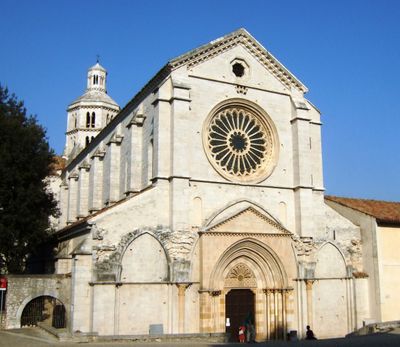
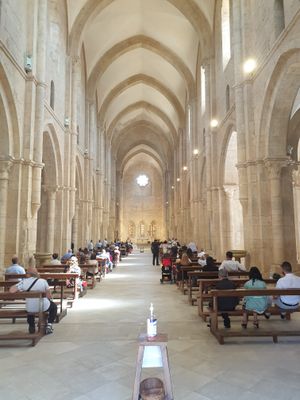
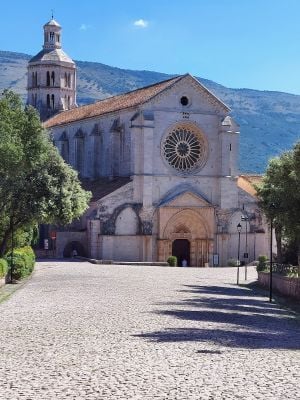
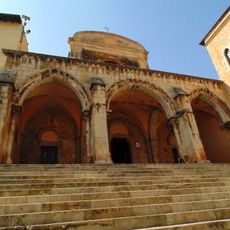
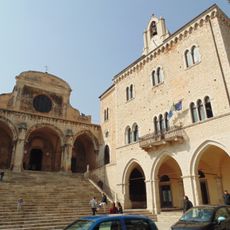
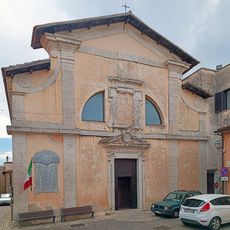
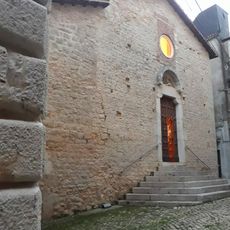
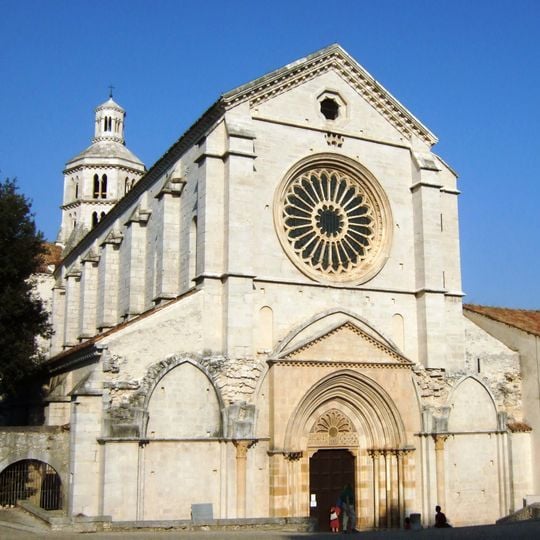
Fossanova Abbey is a Cistercian monastery in Priverno known for its early Gothic style on Italian soil. The church portal is flanked by twenty-four paired columns supporting the rose window, while pointed cross vaults span the three naves.
Construction began in 1163 and finished in 1208, as Gothic style spread across the Alps into Italy. The monks left during the Napoleonic occupation in the 19th century and returned only in the 1930s.
The empty sarcophagus of Thomas Aquinas stands in the church, where the theologian died in 1274 after his journey to Lyon. His remains were later transferred to Toulouse, but the site of his final days continues to draw pilgrims and scholars.
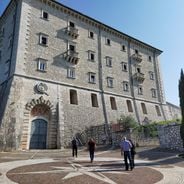
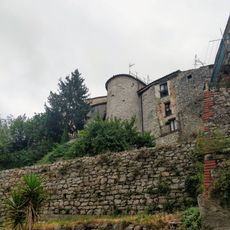
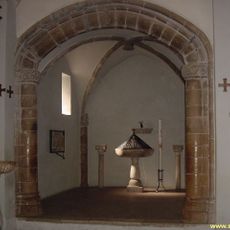
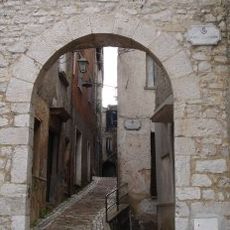
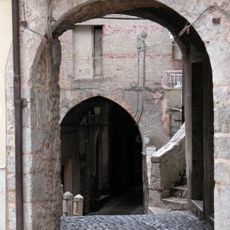
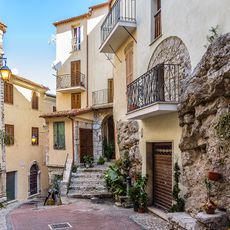
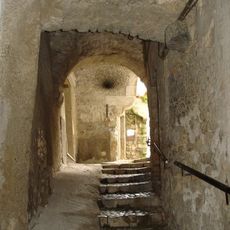
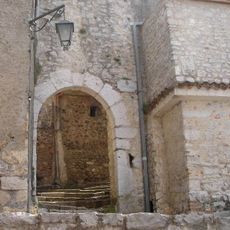
The complex covers several buildings connected by courtyards and passages, offering a sense of monastic retreat. Visitors can explore the church, cloister, and communal rooms, but should be prepared for uneven stone floors and steep stairs.
The refectory preserves a stone reading pulpit with its built-in staircase, used during meals for scripture readings. The original wooden ceiling rests on pointed arches that divide the room in two, reflecting the austere Cistercian way of life.
The community of curious travelers
AroundUs brings together thousands of curated places, local tips, and hidden gems, enriched daily by 90,798 contributors worldwide.