La Scarzuola, Architectural ensemble in Montegabbione, Italy.
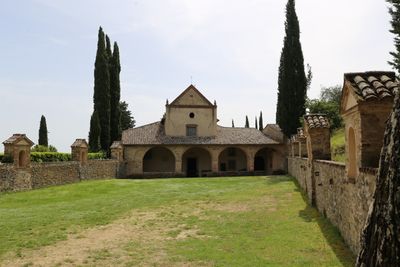
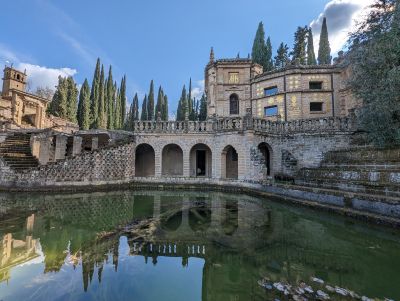
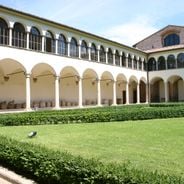
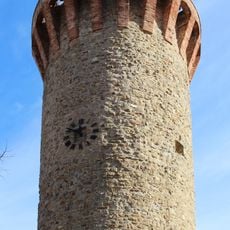
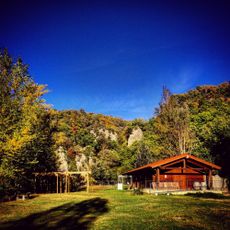
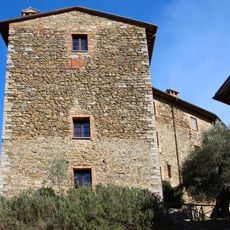
La Scarzuola is an architectural ensemble in Montegabbione that joins a 13th-century monastery with modern structures, featuring seven theaters and an acropolis amid the Umbrian countryside. The site unfolds across multiple levels with colonnades, towers, and symbolic chambers that weave geometric shapes and figurative elements together.
Francis of Assisi planted a laurel and a rose at this spot in 1218, after which water began flowing from a nearby rock. Architect Tomaso Buzzi acquired the abandoned monastery in the mid-20th century and began constructing his personal city of stone and dream alongside it.
The name Scarzuola comes from the marsh plant scarza, used by St. Francis to build his hut in 1218. The church served for nearly seven centuries as burial place of the Counts of Marsciano, about ninety of them, the last in 1820. Buzzi filled the site with references to Villa Adriana, Villa d'Este and Bomarzo, and to the Hypnerotomachia Poliphili.
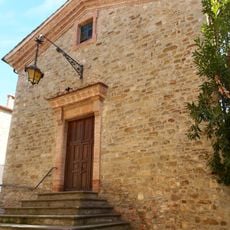
The complex is entered for a small fee, and the route runs through the spiral of pergolas behind the convent, past terraces and an amphitheater up to the Acropolis. Sturdy shoes help on the staircases and uneven stone levels. The church, restored by Marco Solari, remains a consecrated private oratory.
The compound includes elements such as the Musical Staircase of Seven Octaves and the Temple of the Female Giant, representing sacred and secular themes. Buzzi deliberately left many parts unfinished, so visitors today see scaffolding, open passages, and fragments that make construction itself part of the artistic statement.
The community of curious travelers
AroundUs brings together thousands of curated places, local tips, and hidden gems, enriched daily by 92,783 contributors worldwide.