Casa del boia, historic building in the Molo district, Genoa, Italy
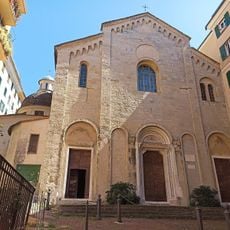
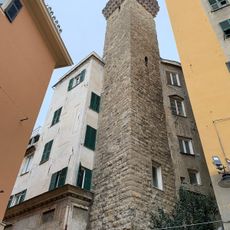
Casa del Boia is a medieval stone building in central Genoa with traditional facade elements and narrow window openings typical of that era. The name refers to the person who once lived here and carried out judicial sentences for the city.
The building dates from the 11th or 12th century and is only a small surviving portion of a larger structure that probably spanned the width of today's piazza Cavour, between the walls of the Grazie and the 13th-century Malapaga debtors' prison, demolished in the early 20th century. After long abandonment, the Ministry granted it to the Compagnia Balestrieri del Mandraccio, which restored it over two years and opened its seat there in 1990. The name casa di Agrippa comes from a 1902 find nearby: a marble slab bearing a dedication to Marcus Vipsanius Agrippa, recovered from a 1st-century BC building.
The building takes its name from the executioner who lived here, reflecting a darker chapter of Genoa's past. Today this connection serves as a reminder of how medieval justice worked and who carried out its sentences.
The building is located in Genoa's old town and is reachable on foot through narrow streets that branch from the city center. Comfortable shoes are advisable since medieval streets are uneven and have sloped sections.
The name Casa di Agrippa comes from a marble slab found in 1902 in a neighbouring building, bearing a dedication to Marcus Vipsanius Agrippa, Augustus's son-in-law. The Roman remains were later rediscovered in the cellars of Piazza Cavour 13, 37 metres from the Casa del Boia.
The community of curious travelers
AroundUs brings together thousands of curated places, local tips, and hidden gems, enriched daily by 94,345 contributors worldwide.