Castello di Oramala, Medieval castle in Val di Nizza, Italy
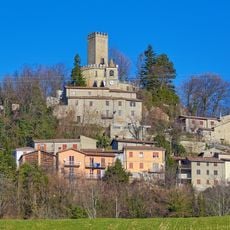
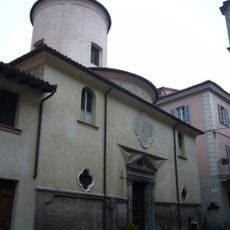
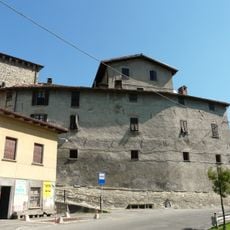
Castello di Oramala sits on a rocky spur in Val di Nizza and is marked by thick stone walls and a semicircular tower. It now functions as a museum displaying rural crafts, metalworking tools, and objects that reflect local heritage.
The first known document, from 1029, records the transfer of the castle from Gerardo Diacono to Ugo da Milano of the Obertenga dynasty. In 1164 Frederick Barbarossa granted it to Obizzo I Malaspina, and by the late 12th century it hosted Provençal troubadours. Manfredi Malaspina refortified it in 1474 with a semicircular tower and walls 2.4 m thick to resist artillery.
The name Oramala appears in medieval records as Oramola, curte de Oremale and Rocha de Oremala. At the end of the 12th century the Malaspina court hosted Provençal troubadours, and the castle now stands within the Parco Letterario "Dante e i Trovatori nelle terre dei Malaspina". The Museo dell'arte contadina e degli attrezzi del ferro opened in 2005, but after three years of closure the Panigazzi family put the castle up for sale in January 2021.
The castle stands on a rocky spur at 758 m above sea level, reached by road from Val di Nizza; the small village at its foot belongs to the circuit of Italy's most beautiful villages. The rural crafts and iron tools museum opened in 2005, but the Panigazzi family put the structure up for sale in January 2021 after three years of closure, so check opening before travelling. The site is surrounded by the literary park "Dante and the Troubadours in the Lands of the Malaspina".
The 1474 fortification by Manfredi Malaspina added the semicircular tower and walls 2.4 m thick, built to withstand artillery fire. The castle's first documented mention is a 1029 transfer of ownership from Gerardo Diacono to Ugo da Milano of the Obertenga dynasty, ancestors of the Este and Malaspina families.
The community of curious travelers
AroundUs brings together thousands of curated places, local tips, and hidden gems, enriched daily by 92,798 contributors worldwide.