Certosa di Parma, Carthusian monastery in Parma, Italy
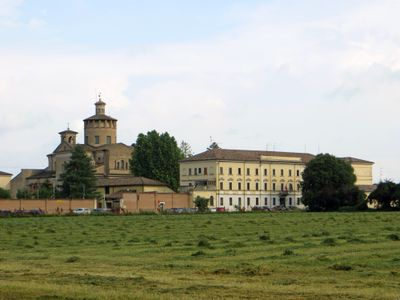
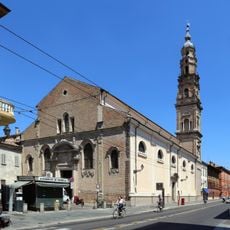
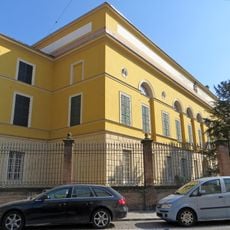
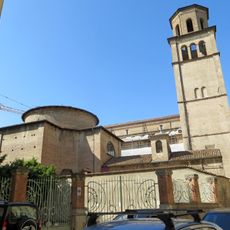
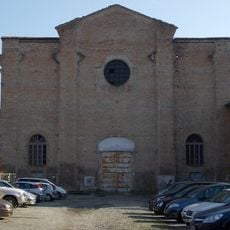
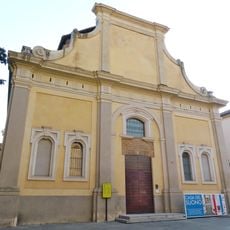
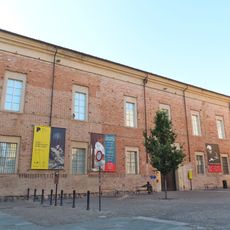
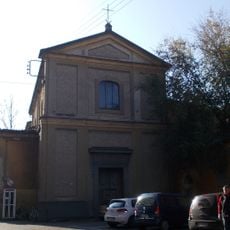
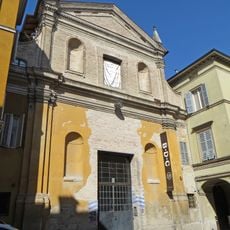
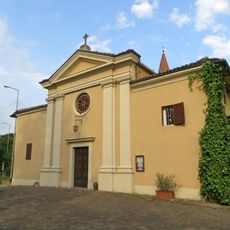
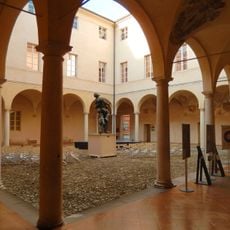
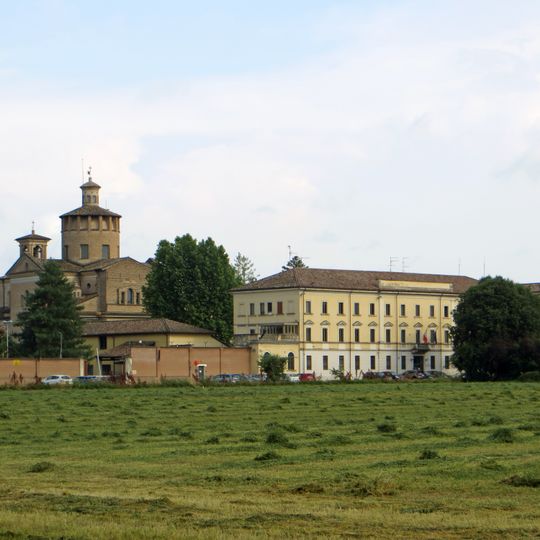
The Certosa di Parma is a former Carthusian monastery on the western edge of the city, comprising a Baroque church, two cloisters, and a series of traditional monastic cells. The entire compound sits within a high perimeter wall and displays a mix of Gothic, Baroque, and Neoclassical architectural elements.
Archbishop Rolando Taverna di Spoleto founded the monastery in 1285 and dedicated it to Saint Jerome. Between 1673 and 1722, a comprehensive rebuilding took place under architect Francesco Pescaroli, giving the complex its present Baroque appearance.
The Carthusian order followed strict rules of silence and solitude, reflected in the layout of the cells and courtyards. Visitors today can view the frescoes inside the church, which depict religious scenes in bold colors and dynamic compositions.
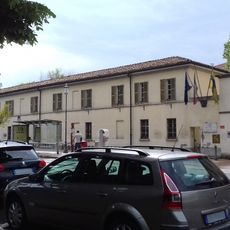
The site now serves as a training school for prison police, so access to most areas is restricted. The church and parts of the main cloister can be visited during certain time windows, but prior inquiry is advised.
The complex housed one of the earliest printing workshops in northern Italy from the 15th century, producing liturgical books. After the monastery was dissolved, the rooms were used as a tobacco factory before the building took on its present function in the 20th century.
The community of curious travelers
AroundUs brings together thousands of curated places, local tips, and hidden gems, enriched daily by 91,616 contributors worldwide.