Convento di Montecasale, Medieval convent in Sansepolcro, Italy
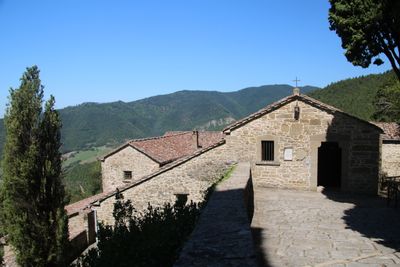
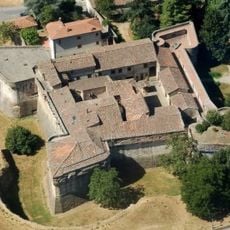
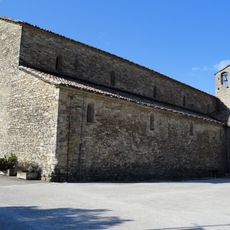
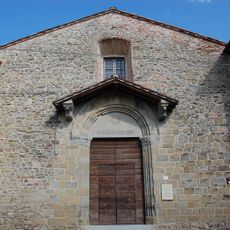
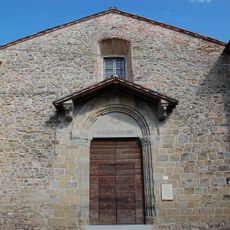
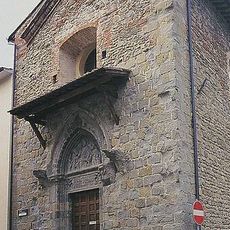
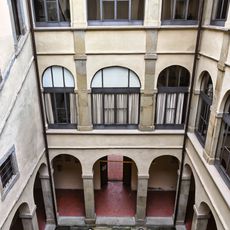
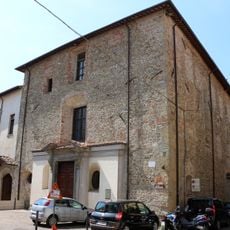
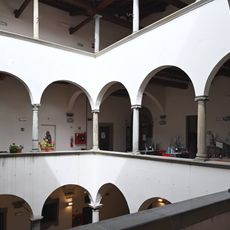
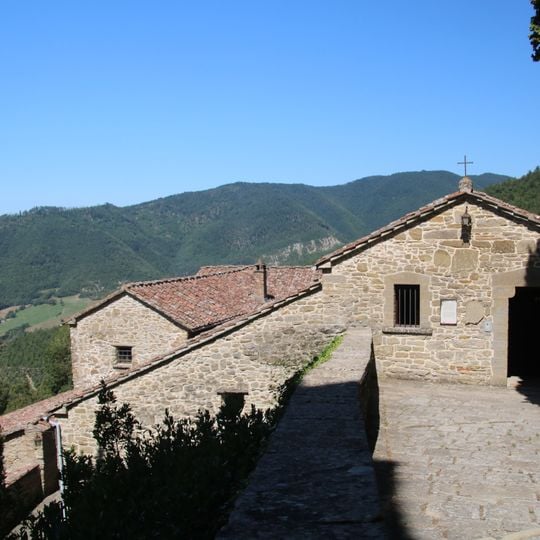
The Convento di Montecasale is a medieval convent at the foot of the Tuscan Apennines with stone walls, wooden beams, and a central courtyard surrounded by covered walkways. The buildings combine functional rooms such as kitchen, dormitories, and library with a chapel that forms the spiritual center of the complex.
The hermitage dates to 1192, when the Camaldolese built it with a hospital and hospice for pilgrims on the road crossing the Alpe della Luna toward the Marche. It was given to St. Francis in 1213; the Franciscans stayed until 1268, replaced by Augustinian hermits. In 1537 Pope Paul III's bull Exponi vobis gave the site to the Capuchins, who reside there today; until 1784 it belonged to the Umbrian Capuchin province, then the Tuscan one.
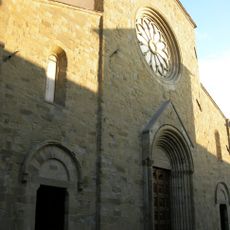
Capuchin friars have lived here since 1537, when Pope Paul III granted them the hermitage by the bull Exponi vobis; until 1784 the convent belonged to the Umbrian Capuchin province, then to the Tuscan one. In the church, a cult grew between the 13th and 14th centuries around a wooden statue of the Madonna and Child. On 28 December 1922 the future Pope John XXIII, Monsignor Angelo Giuseppe Roncalli, visited.
The location is reachable from Sansepolcro by local transport and is best visited during warmer months. The grounds are explored mainly on foot, so comfortable shoes and time for a leisurely walk are recommended.
The convent's oldest core is the cloister, framed by thick architraved stone pillars around which the small monastic buildings are grouped. The complex keeps the layout of the earliest Franciscan convents and was built with local materials in a deliberately plain style. On 28 December 1922 it was visited by Monsignor Angelo Giuseppe Roncalli, later Pope John XXIII.
The community of curious travelers
AroundUs brings together thousands of curated places, local tips, and hidden gems, enriched daily by 93,067 contributors worldwide.