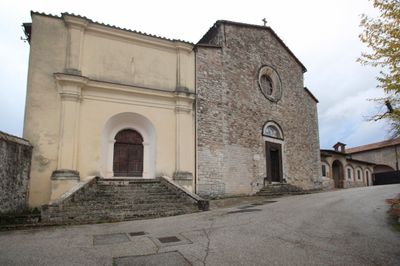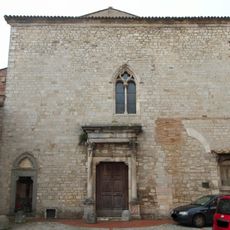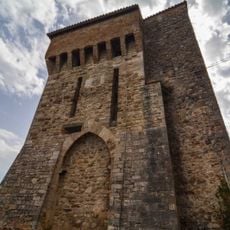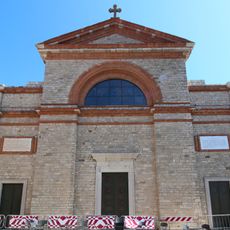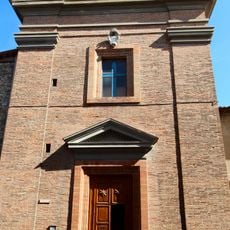
Convento di Montesanto, Franciscan monastery near Porta Orvietana, Todi, Italy
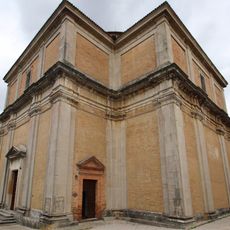
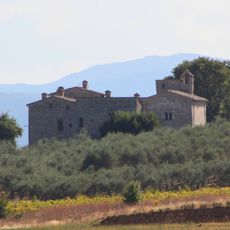
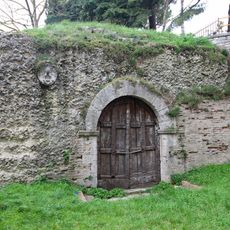
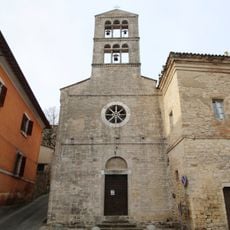
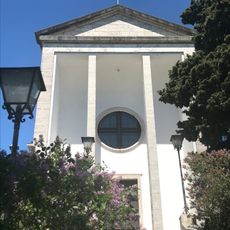
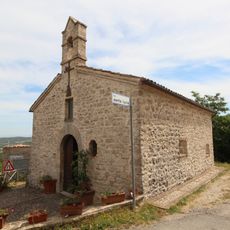
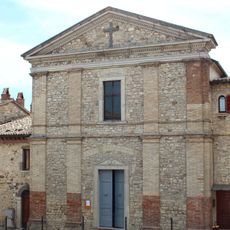
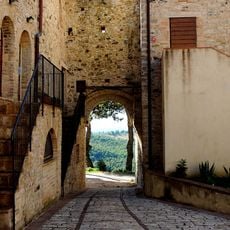
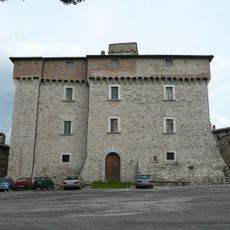
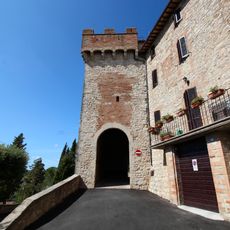
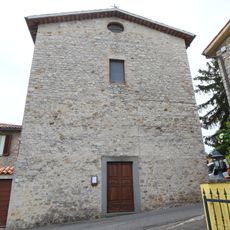
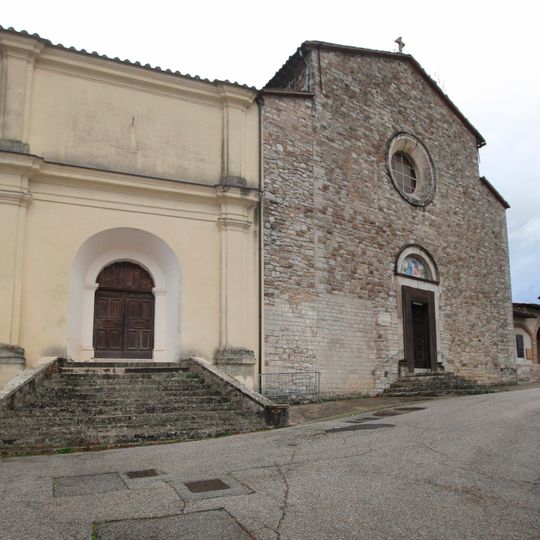
Convento di Montesanto is a Franciscan monastery on a western hill outside Todi's city walls, featuring a church and cloister from medieval times. The site displays typical religious architecture with a church consecrated in 1633 and historic buildings arranged around the inner courtyard.
On 24 October 1235 the bishop of Todi, Boniface, granted Blessed Ruggero da Todi permission, sought by Pope Gregory IX, to build a monastery of Poor Clares on the hill then called Monte Mascarano; the land came from Buono, abbot of San Fortunato. In 1248 it held 42 nuns and 6 converse. In spring 1367 Cardinal Gil Albornoz expelled the nuns and turned the hill into a fortress, and the transfer of Iacopone da Todi's bones to San Fortunato followed in 1433.
The hill was called Monte Mascarano, "Mount of Spirits", before becoming Montesanto. Jacopone da Todi, the Franciscan poet, is linked to the community: a document of 6 February 1277 names a friar Iacopo, converso of Montesanto, as witness in a lawsuit of the nuns. Bartolomeo da Pisa and Mariano da Firenze wrote that he was buried here; his bones were moved to San Fortunato in 1433.
The hill of Montesanto rises west of Todi, outside the city walls; the convent stands at its top. The site was gradually abandoned after the other fortress on Todi's hill gained strategic importance, so the complex is reached on foot or by the road climbing to the hill.
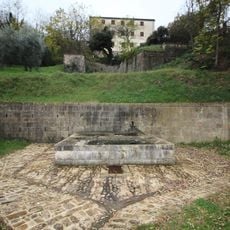
In the 1830s, the so-called Mars of Todi was discovered at this location, an ancient statue from Etruscan times. The find reveals that the ground was once an ancient burial site with religious structures, long before the monastery was built there.
The community of curious travelers
AroundUs brings together thousands of curated places, local tips, and hidden gems, enriched daily by 94,529 contributors worldwide.