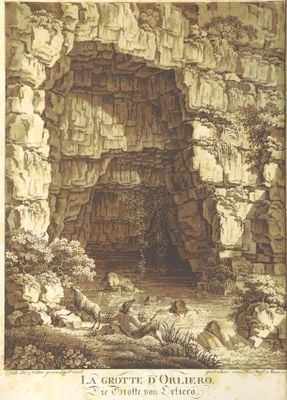
Parco naturale delle Grotte di Oliero, Nature reserve and cave system in Valbrenta, Italy.
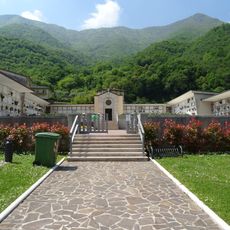
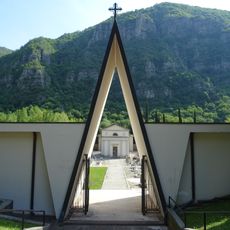
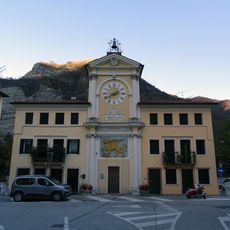
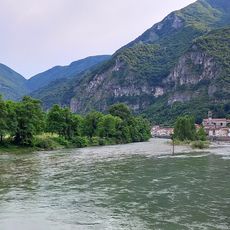
The Parco naturale delle Grotte di Oliero is a nature reserve in the Valbrenta valley in northern Italy, built around an underground cave system carved through limestone by water over a very long time. The caves consist of wide passages and chambers, with an underground river running through them that flows beneath the surrounding hills.
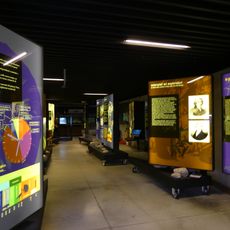
Alberto Parolini, a naturalist who owned the land, discovered the Parolini cave in 1822 and named it after himself; it opened to the public in 1832, making it one of the earliest show caves in the region. In 1966 the Brenta flood pushed an estimated 140 m³/s through the springs, against an average of 15 m³/s. Parolini also released proteus specimens from the Postumia caves into the water, and divers later found about forty of them.
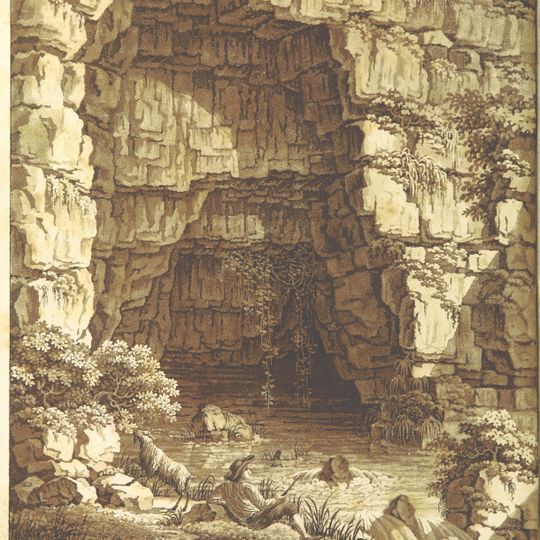
The four openings are called "còvoli" in the local dialect; two are dry, including the covolo degli assassini, and two carry the river. The Parolini cave is named after naturalist Alberto Parolini, who discovered it in 1822 and opened it to the public in 1832. He released proteus specimens from the Postumia caves into the water, and divers later found about forty of them.
The caves are visited on guided boat tours, with safety equipment provided on site. It is a good idea to bring a warm layer, as the temperature inside stays cool throughout the year.
The spring's siphon has been explored for about 10 km, making it one of the longest in Italy and probably in Europe. The cave also holds a limestone stalactite around 14 metres long. In 1966, during the Brenta flood, the springs were estimated to discharge about 140 m³/s.
The community of curious travelers
AroundUs brings together thousands of curated places, local tips, and hidden gems, enriched daily by 95,744 contributors worldwide.