Grotte di San Michele, Archaeological cave complex in Ozieri, Italy.
Grotte di San Michele is a cave complex in Ozieri, Sardinia, with several interconnected chambers carved into limestone walls. The caverns contain pottery shards, stone tools, and evidence of ancient human occupation across multiple spaces.
The cave was discovered by chance in 1914 and excavated again in 1949. Antonio Taramelli first showed its archaeological value through finely made ceramics of the Ozieri culture, also called San Michele culture, dated 3,500–2,900 BC, with older San Ciriaco finds. During World War II it served as an air-raid shelter, and until the late 1950s a large hall was demolished for a football field.
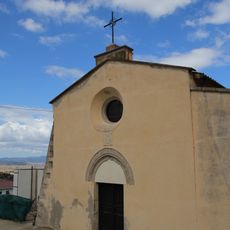
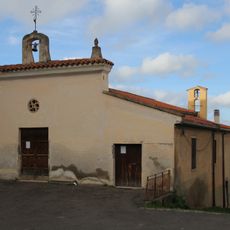
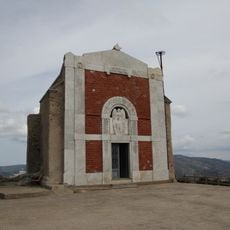
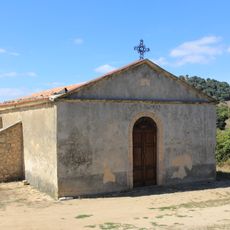
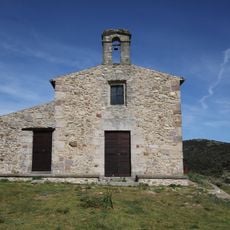
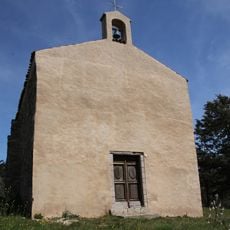
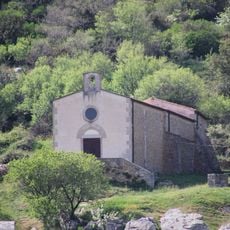
The name comes from a small place of worship dedicated to the archangel Michael, which stood near the caves until the 18th century. After the Second World War scholars called the pottery-making civilisation behind the finds the "San Michele civilisation"; since the 1970s it is known as the Ozieri culture.
Access to the caverns is available during specific seasons, with opening hours varying throughout the year. It is wise to check current conditions before visiting, as some passages are narrow and the ground can be damp and uneven in places.
The cave's most notable find is a decorated stone vessel, a kind of ciborium, whose quality exceeds that of pottery from later Sardinian cultures. The ceramics, ornamented with concentric half-circles, show contacts with other Mediterranean peoples. The finds are now kept at the Museo Nazionale G. A. Sanna in Sassari, not in the cave.
The community of curious travelers
AroundUs brings together thousands of curated places, local tips, and hidden gems, enriched daily by 94,672 contributors worldwide.