Museo paleolitico di Isernia, Archaeological museum in Isernia, Italy
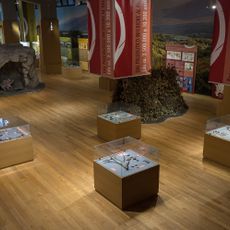
The Paleolithic Museum in Isernia houses a collection of stone tools, animal bones, and other remains from the Molise region that show how early people lived hundreds of thousands of years ago. The exhibition includes finds from multiple dig sites and presents an overview of how human techniques developed over time.
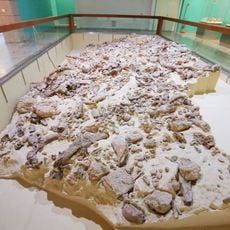
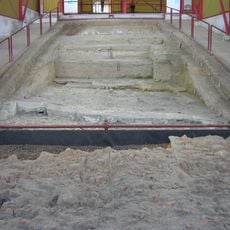
The La Pineta site was found by chance in 1978 during work on a link road for the SS 85. Excavation revealed a settlement used repeatedly from 700,000 years ago, with stone tools and animal bones, and yielded the fossil of a child who lived 583,000 years ago, thought to belong to Homo heidelbergensis. The museum opened in Isernia in 1999.
The museum displays how stone tools were made and used in prehistoric times, giving visitors a direct sense of how early people lived in this region. You can see here how these tools were part of daily survival.
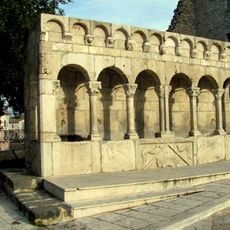
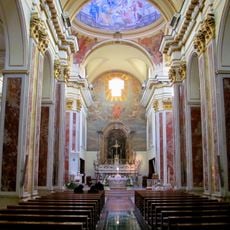
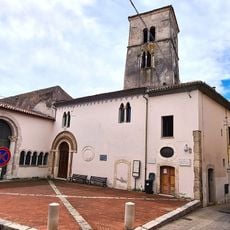
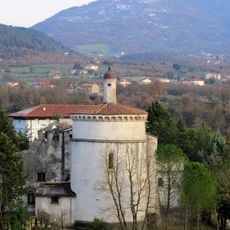
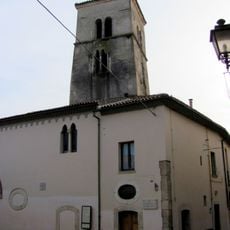
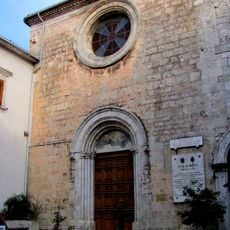
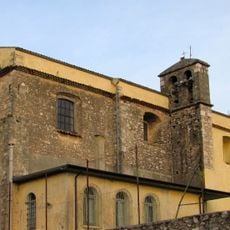
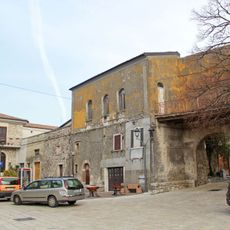
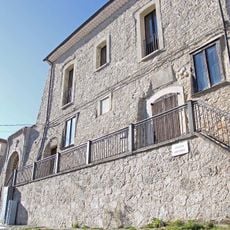
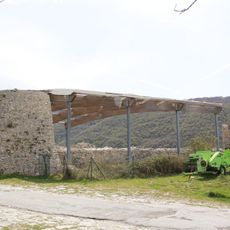
The museum has two parts: the display rooms at Santa Maria delle Monache in Isernia and the La Pineta excavation area, where digging continues. The La Pineta structure is still being completed and is planned as a laboratory where visitors can watch work and see finds restored and studied on site. Until it opens, the excavated material is shown at Santa Maria delle Monache.
The 1978 discovery was accidental: workers building a link road for the SS 85 uncovered the La Pineta deposit. Excavation has since revealed several separate occupation levels, showing that groups returned to the riverbank site repeatedly over a long period. The deposit covers thousands of square metres and is dense with worked stone.
The community of curious travelers
AroundUs brings together thousands of curated places, local tips, and hidden gems, enriched daily by 92,839 contributors worldwide.