Museo delle palafitte di Fiavé, Archaeological history museum in Fiavé, Italy.
Museo delle palafitte di Fiavé is an archaeological museum in northern Italy displaying over 300 wooden objects from prehistoric settlements built on the lake shore. The collection features kitchen equipment, tools, vessels, and personal items recovered by archaeologists working in the water and surrounding areas.
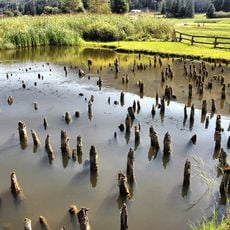
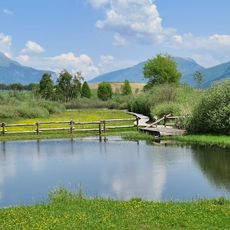
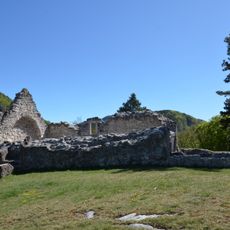
The site near the Fiavé biotope was investigated from 1969 to 1976 under Renato Perini, then by Franco Marzatico of the Trento archaeological heritage office, with European universities. Excavations revealed villages from the Neolithic to the Bronze Age, some on the shore, others on platforms over the water. The finds entered the UNESCO transnational serial site of prehistoric pile dwellings of the Alpine arc.
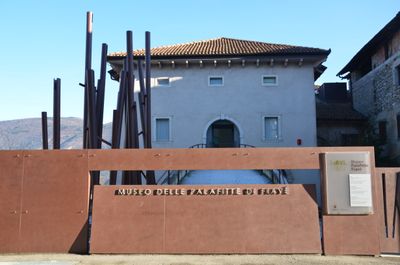
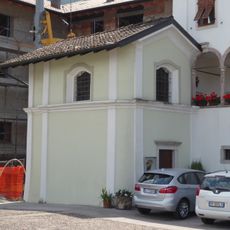
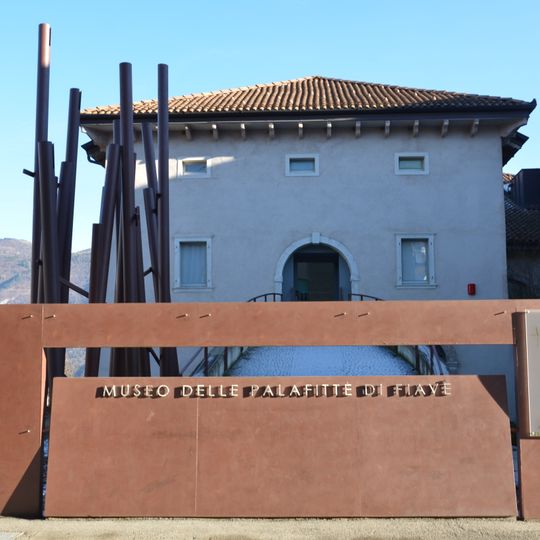
The museum occupies the restored Casa Carli in the centre of Fiavé. Its displays follow the work of archaeologist Renato Perini, who directed the main excavations between 1969 and 1976, and explain how the finds changed the scientific debate on Alpine pile dwellings, from Ferdinand Keller's platform theory to the lakeside and mixed villages identified at Fiavé.
The museum occupies the restored Casa Carli in the centre of Fiavé, with ticket office, bookshop and teaching rooms on the ground floor and the exhibition rooms on the first floor. The archaeological area and the Carera biotope lie about 2 km away beside the SS 421, reachable from Trento and Riva del Garda.
The wooden finds are so well preserved by the lake's constant moisture that you can still see carvings and textures from prehistoric times. Particularly striking are ornaments made of Baltic amber, which reveal that these early people traded with distant regions.
The community of curious travelers
AroundUs brings together thousands of curated places, local tips, and hidden gems, enriched daily by 94,367 contributors worldwide.