Palazzo Pastore, Palace in San Martino Gusnago, Ceresara, Italy
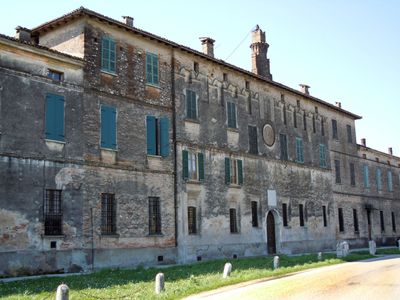
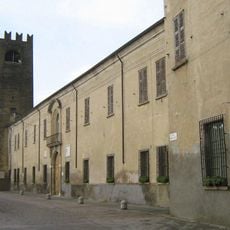
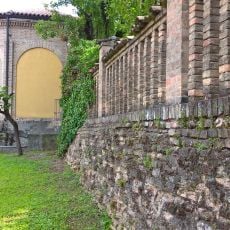
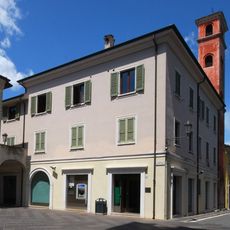
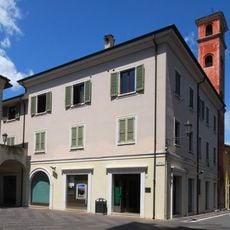
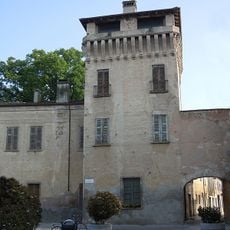
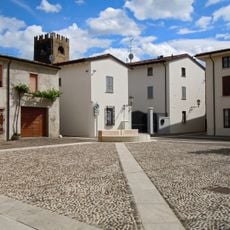
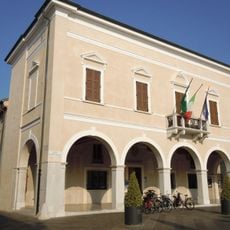
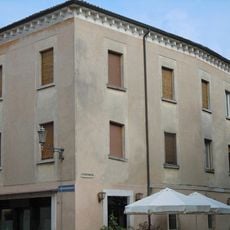
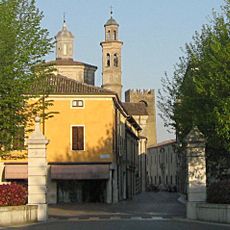
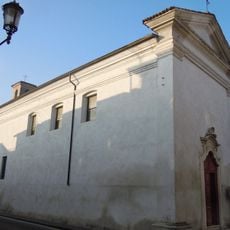
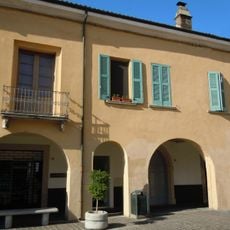
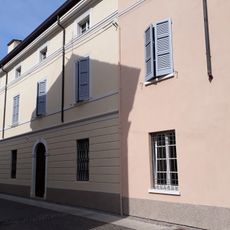
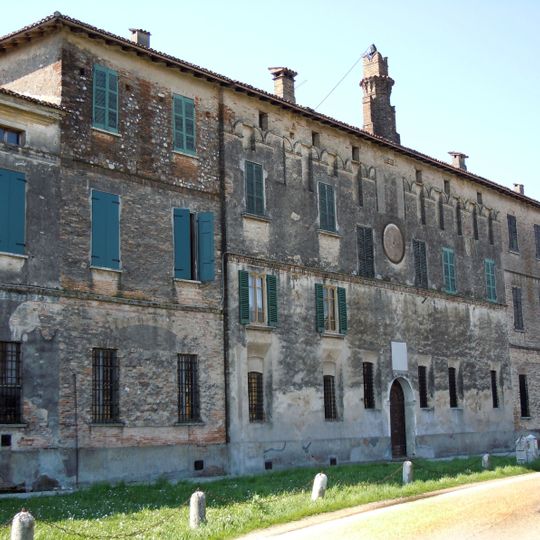
Palazzo Secco-Pastore stands in San Martino Gusnago, a hamlet of Ceresara in the province of Mantua. Built in the second half of the 15th century to a design by Luca Fancelli, it shows blind battlements along the facade, his signature feature. The Pastore family added two long wings to the central core at the end of the 18th century.
Francesco Secco, a military commander serving the Gonzaga family, commissioned architect Luca Fancelli to design this palazzo during the second half of the 15th century. Later generations added the side wings as the family's needs evolved over the following centuries.
About 44 square wooden panels, 45.7–46.4 cm wide, were painted in tempera between 1500 and 1515 by an anonymous Lombard artist influenced by Bramantino and set between the ceiling beams and upper walls. Six are now in the Victoria and Albert Museum in London and twelve in the Metropolitan Museum of Art in New York.
The palazzo stands in San Martino Gusnago, a hamlet of Ceresara in the province of Mantua, not in Veneto. It is a private historic residence rather than a museum, so visits depend on the owners' arrangements; ask the Ceresara municipal offices before travelling. The two long wings added by the Pastore family enclose the original central core, so the entrance front differs from the 15th-century side.
A room in the palazzo was decorated with about 44 square wooden panels, 45.7 to 46.4 cm wide, painted in tempera between 1500 and 1515 by an anonymous Lombard artist influenced by Bramantino and set between the beams and the upper walls. Six of them are now in the Victoria and Albert Museum in London and twelve in the Metropolitan Museum of Art in New York.
The community of curious travelers
AroundUs brings together thousands of curated places, local tips, and hidden gems, enriched daily by 92,784 contributors worldwide.