Castello di Caneva, Medieval castle in Caneva, Italy
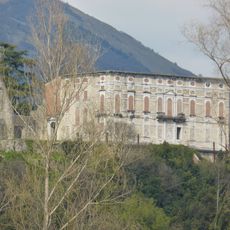
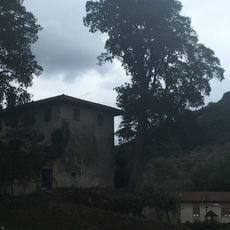
Castello di Caneva is a medieval castle ruin perched on a strategic hilltop in western Friuli. The site spreads across multiple levels with visible outlines of buildings, pathways, and defensive structures.
From 1034 the castle belonged to the Church of Aquileia, when Emperor Conrad II granted it to Patriarch Poppo to counter the Magyars advancing toward Venetia. Coveted by Friulian, Treviso and Paduan nobles for its strategic position, it was besieged by Treviso's troops for more than fifteen days, ending in devastation and deaths. After submitting to Venice it withstood a Turkish siege in 1499, as recorded in the registers of the parish of Caneva. Its decline began in the 17th century.
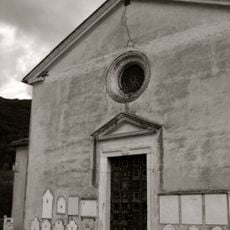
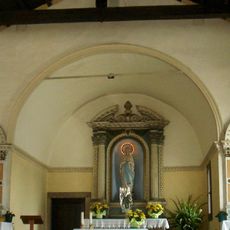
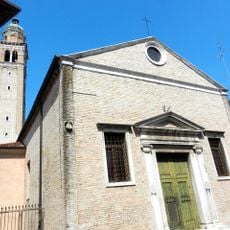
The ruined walls enclose the 11th-century church of Santa Lucia, which still serves the community and holds Renaissance frescoes, including a static Saint Lawrence in a painted niche by Pietro Gorizio. The castle's story is preserved in the registers of the parish church of Caneva, which record both the 1499 Turkish siege and the burning of the Castelat at Villa di Villa in Cordignano.
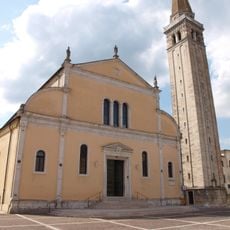
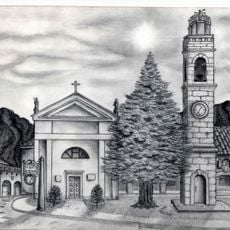
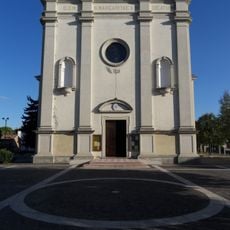
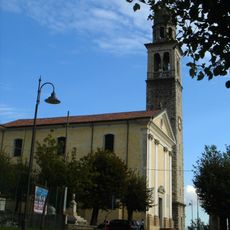
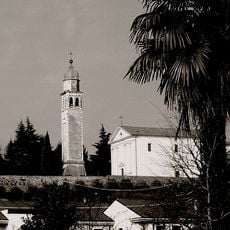
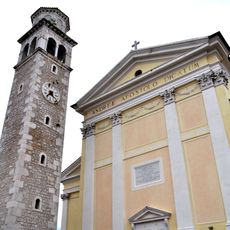
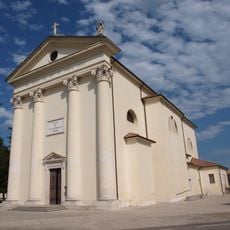
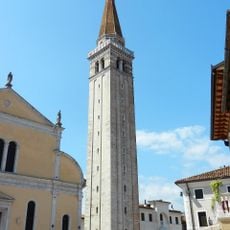
The ruins stand on a hill along Via Castello in Caneva. The remains of the defensive walls and towers surround the 11th-century church of Santa Lucia, which occupies the centre of the old enclosure; the church, with its bell tower, is the main structure still standing and can be entered to see the Renaissance frescoes.
The castle's name appears in Aquileia church records from 1034, when Emperor Conrad II granted it to Patriarch Poppo to counter the Magyars. The parish registers of Caneva also record the 1499 Turkish siege, which the castle withstood, alongside the burning of the Castelat di Villa di Villa in Cordignano.
The community of curious travelers
AroundUs brings together thousands of curated places, local tips, and hidden gems, enriched daily by 94,070 contributors worldwide.