Monte Chiodo, Archaeological site in Buonalbergo, Italy
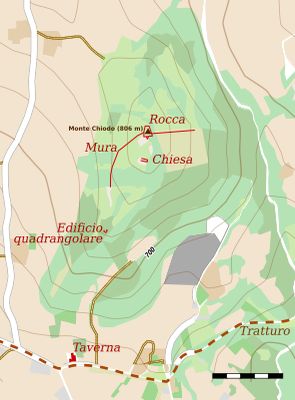
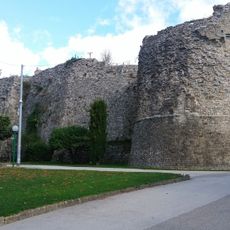
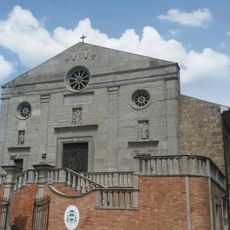
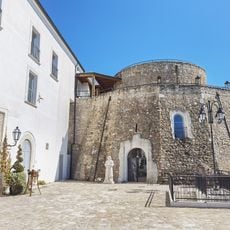
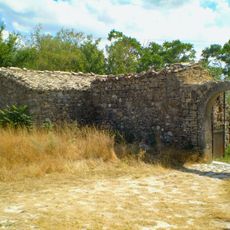
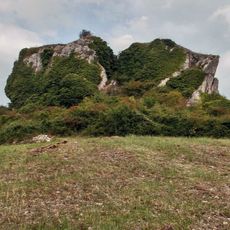
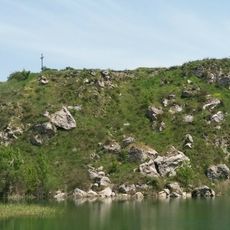
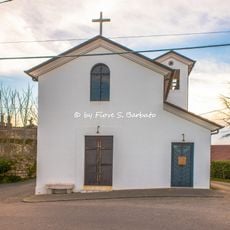
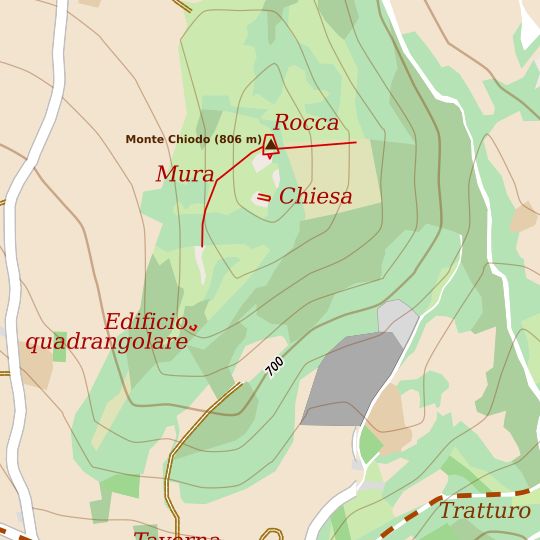
Monte Chiodo is a hill about 800 meters above sea level near Buonalbergo with remains of a fortified settlement at its summit. The ruins include walls made of large stones, water storage tanks, foundations of a small church, and underground cavities possibly used for storage or water management.
The settlement originated in pre-Roman times, likely founded by the Sannites, and was later transformed into a fortified place called Montegiove during the Middle Ages. By the 8th century, nearby Buonalbergo began to grow and eventually overshadowed the hill's importance.
The name Monte Chiodo reflects centuries of settlement and community defense. The ruins show how people lived together, protected their herds, and used simple yet effective stone structures that reveal their daily survival strategies.
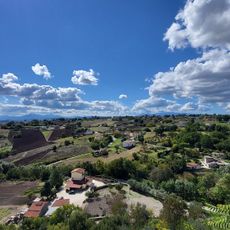
The site sits on a gentle slope that is accessible on foot, with green hillsides and rocky outcrops to navigate. Visitors should wear sturdy shoes and allow time to explore both the ruins at the top and the lower areas, where the historic herding trail remains visible.
Scholars in the 1800s believed the hill was the ancient city of Cluvia mentioned by the Roman historian Titus Livius, but modern research suggests it was located elsewhere. The site may actually relate to nearby Casoli, showing how historical identity can shift and be reassigned across centuries.
The community of curious travelers
AroundUs brings together thousands of curated places, local tips, and hidden gems, enriched daily by 92,078 contributors worldwide.