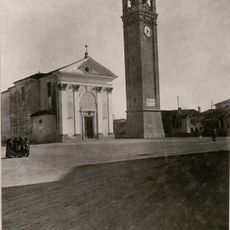
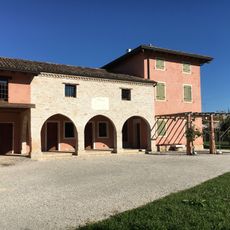
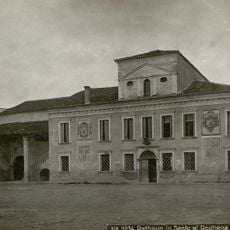
Concordiese national archeological museum, Archaeological museum in Portogruaro, Italy.
The Concordiese National Museum is an archaeological museum in Portogruaro that displays Roman finds from an ancient settlement. The rooms spread across two levels and present mosaics, stonework, bronze figures, glassware, and burial objects from classical times.
The museum was founded in the 1880s and was the first state cultural institution of its kind in the Venetian region. It was created to preserve the archaeological remains from the nearby Roman city of Concordia Sagittaria and make them publicly accessible.
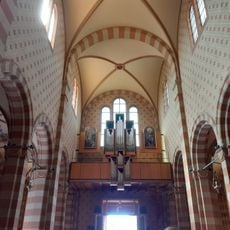
The museum's name comes from Concordia Sagittaria, the Roman colony of Iulia Concordia whose finds it holds. The ground-floor hall follows late-19th-century antiquarian display practice, grouping inscriptions, funerary stelae and portraits by type. A civic museum in Concordia Sagittaria now forms part of the same archaeological itinerary.
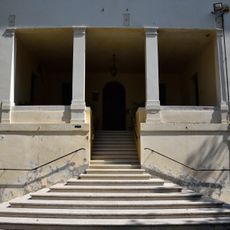
The museum stands in Portogruaro rather than at the Concordia Sagittaria excavation site, chosen in the 1880s because the railway made it easier to reach. The building has two floors: a ground-floor hall of three naves entered through an atrium, with the first floor above. Opening hours vary by season, so check them before setting out.
The three floor mosaics were laid into the museum building itself, not brought from Roman houses: the most important shows the Three Graces, the other two are geometric. The building, designed by engineer Antonio Bon, imitates an early Christian basilica to echo ancient Concordia Sagittaria.
The community of curious travelers
AroundUs brings together thousands of curated places, local tips, and hidden gems, enriched daily by 94,586 contributors worldwide.