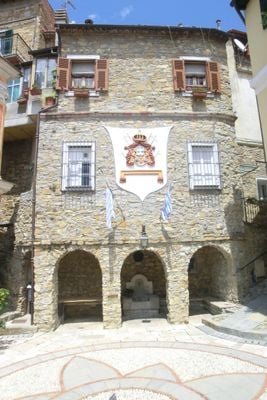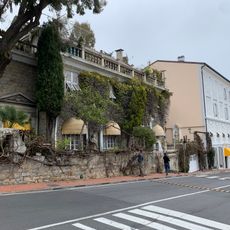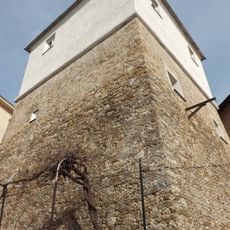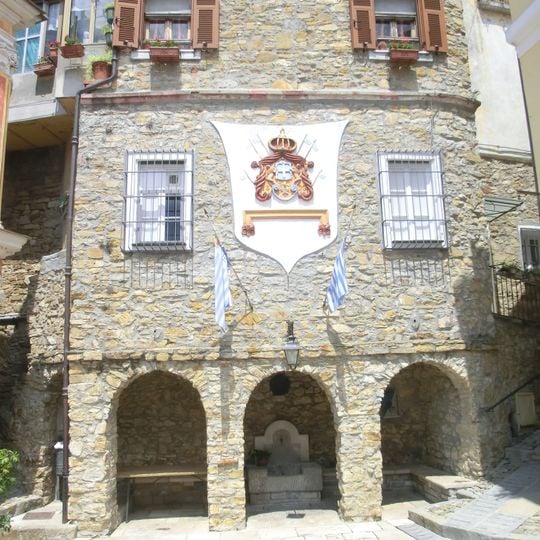
Palazzo dei monaci, building in Seborga, Italy
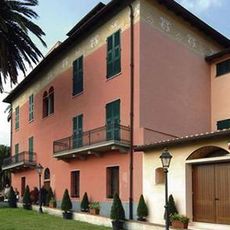
Palazzo dei monaci is a 17th-century stone building in central Seborga with rounded arches and sturdy walls. The structure contains a large ground-floor hall with a slate fireplace, monastic kitchens on the first floor, and four residential rooms on the second floor where monks once lived.
The building was erected in the 17th century by Benedictine monks from Lérins, who received autonomy in 1079 through Pope Gregory VII. Between 1666 and 1687, it housed the mint where local luigini coins were struck, later serving as town hall and school before becoming a private residence.
The palace embodies local identity and independence, symbolizing Seborga's historical autonomy and self-governance. Residents take pride in the building as a tangible link to their distinctive heritage and the economic vitality that monks once brought to their community.
The palace sits centrally on Piazza San Martino and is easily reached on foot when walking through the medieval village. Visitors should know that it is now a private residence and cannot be entered, but its exterior architecture and the surrounding square remain freely accessible.
Local coins called luigini were struck in the basement of the palazzo while monks lived and cooked upstairs. This unusual arrangement of mint and living quarters stacked vertically reflects how closely commerce and monastic life intertwined in this small community.
The community of curious travelers
AroundUs brings together thousands of curated places, local tips, and hidden gems, enriched daily by 92,626 contributors worldwide.