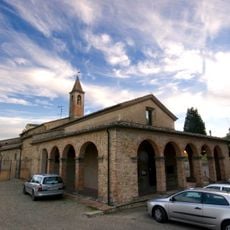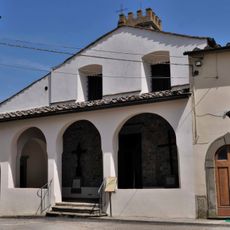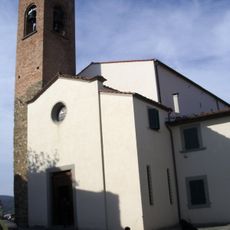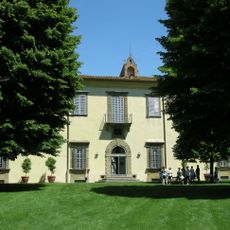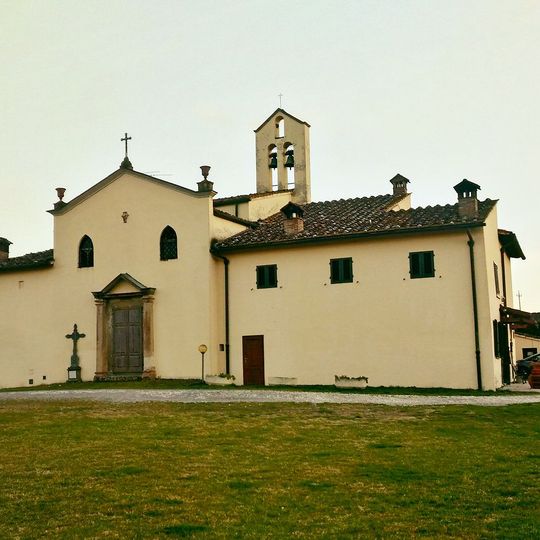
Santa Maria, Medieval church in Montelupo Fiorentino, Italy.
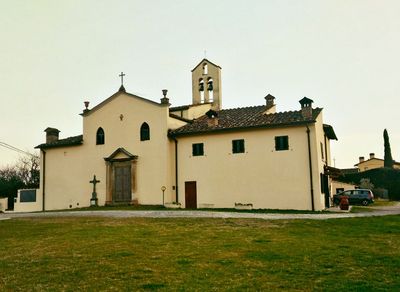
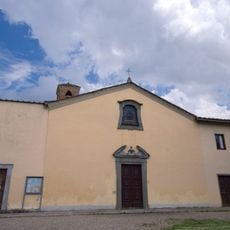
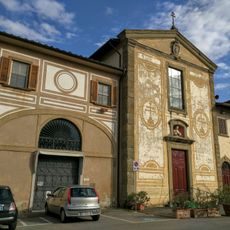
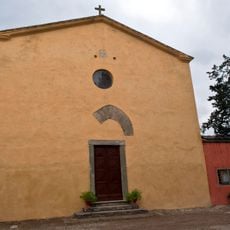
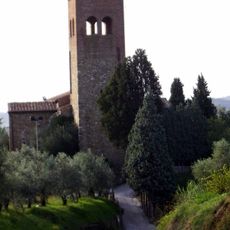
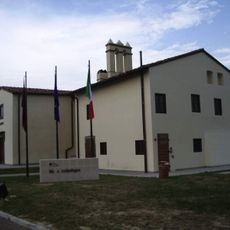
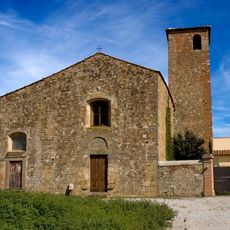
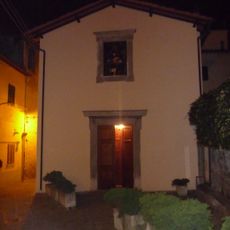
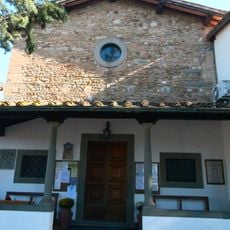
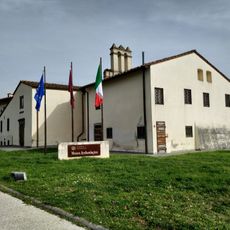
Santa Maria a Pulica stands on a wide plateau above the Virginio and Turbone streams. It has a Greek cross plan, a plain plastered facade bearing the Machiavelli majolica coat of arms, and a bell tower with a three-light sail above the gabled roof. The church is now incorporated into a restored rural settlement.
A document of 1286 attests the church at the end of the 13th century. From 1392 it belonged to the lords of Montespertoli, a branch of the Alberti di Mangoni counts, then to the Machiavelli, whose majolica coat of arms is on the facade. From the late 15th century the de' Frescobaldi held it, joining it to the rectory of San Michele a Quarantola until 1787, when they renounced patronage in favour of the Archdiocese of Florence. The parish belonged to the Community of Lastra a Signa until 1834.
The church is consecrated to the Assunta and belongs to the Parish of San Donato a Livizzano and Santa Maria a Pulica. The Machiavelli coat of arms in majolica on the facade recalls the noble Florentine families who held patronage here, from the lords of Montespertoli in 1392 to the Frescobaldi until 1787.
The church stands on the crest of a wide plateau on the Pulica hill, along a road from Montelupo Fiorentino toward Montespertoli, between the Virginio and Turbone streams. It is set within a restored rural settlement, so access is easiest by car; the surrounding lanes are narrow. The building was partly restored in the mid-1990s.
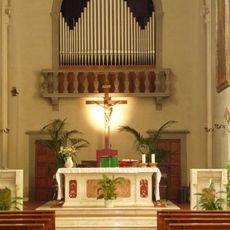
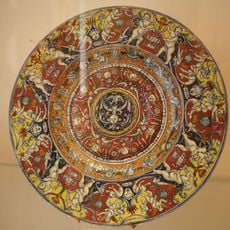
The church's facade bears a majolica coat of arms of the Machiavelli family, who owned the church in the 15th century. Inside, two glazed terracotta statues of Saint Anthony Abbot and Saint Peter Igneus, attributed to the Della Robbia or Buglioni workshops, were removed for safety and are now kept elsewhere.
The community of curious travelers
AroundUs brings together thousands of curated places, local tips, and hidden gems, enriched daily by 94,677 contributors worldwide.