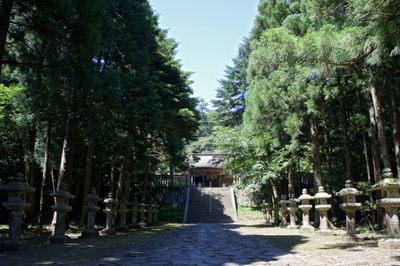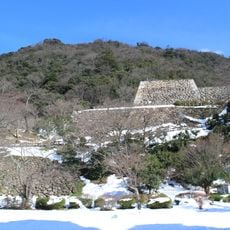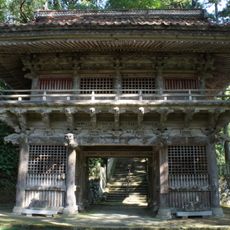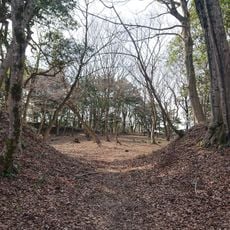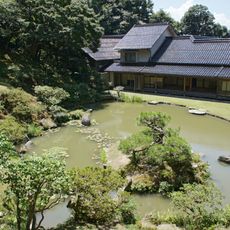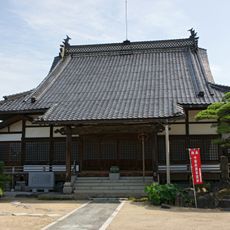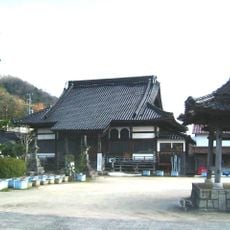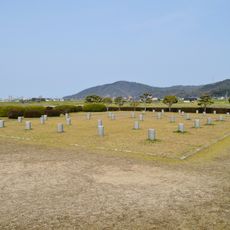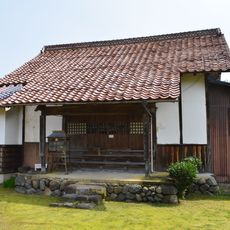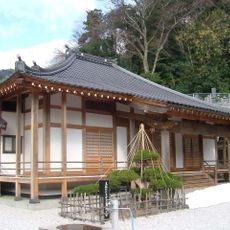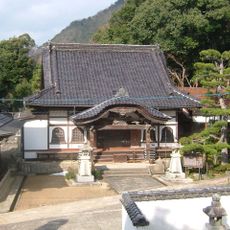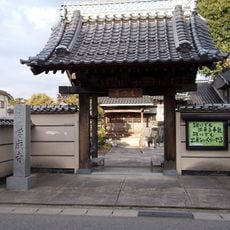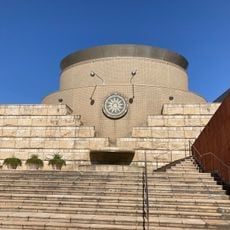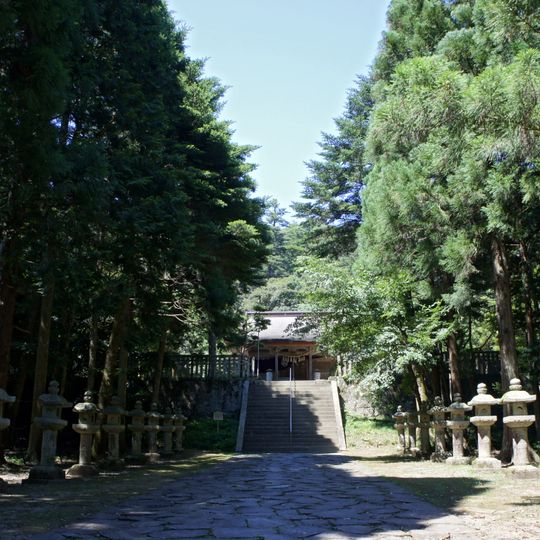
Tottori Tōshō-gū, Important Cultural Property shrine in Tottori, Japan.
Tottori Tōshō-gū is a shrine complex in Tottori featuring four structures designated as National Important Cultural Properties: the main sanctuary Honden, the worship hall Haiden, the offering hall Heiden, and a Karamon gate. The buildings sit within grounds that include a public park for visitors.
A local daimyo named Ikeda Mitsunaka founded this shrine in 1650 with approval from the Tokugawa shogunate to honor Tokugawa Ieyasu. In 1874 it became known as Ōchidani Jinja and expanded its worship to include additional Ikeda clan members.
The structures display traditional Shinto design details from the 17th century, with carved ornaments and roof elements that reflect the craftsmanship of that era. Visitors can observe these decorative techniques while walking through the complex.
The shrine sits in a central location within Tottori city with clear signage and accessible entry points for visitors. The surrounding park area offers shaded spots and allows you to explore at your own pace.
The site was originally called Inaba Tōshō-gū before it changed its name. This renaming marked a shift in how people worshipped there and who received honor at the shrine.
The community of curious travelers
AroundUs brings together thousands of curated places, local tips, and hidden gems, enriched daily by 92,147 contributors worldwide.