Engaku-ji, Buddhist temple in Kamakura, Japan
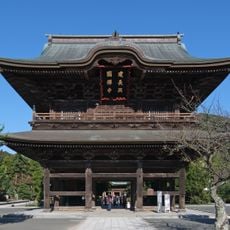
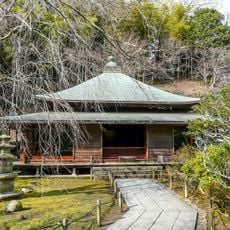
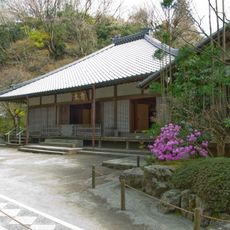
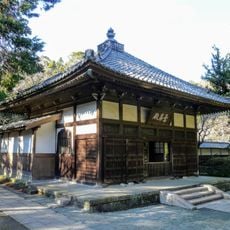
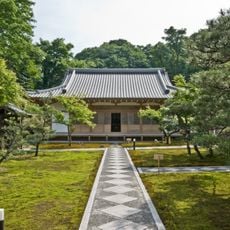
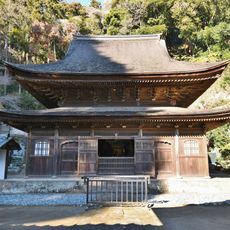
Engaku-ji is a Buddhist temple in Kamakura, Japan, set on a wooded hillside with eighteen buildings distributed along a central axis. The structures display curved roofs of dark timber, stone gardens, and pathways that wind through groves of bamboo and cedar.
The temple arose in 1282 at the initiative of regent Hojo Tokimune and Chinese Zen monk Mugaku Sogen to commemorate those who fell during the Mongolian invasions. Over the centuries, the complex suffered damage from earthquakes and fires, with several halls rebuilt.
The temple's name comes from a copy of the Sutra of Perfect Enlightenment (engaku-kyō) dug from a stone chest during construction. Its mountain name, Zuiryusan, recalls white deer said to have listened to the opening sermon; a hollow called Shiraka-tsubo remains. Zazen sessions open to the public are held most Sundays in the Kojirin hall, and a four-day summer lecture series takes place in late July.
The complex is open every day and can be reached by public transport, with access through a stairway at the main entrance. An entrance fee is charged, and most areas are easy to walk through, though some paths involve slopes.
The great bell from 1301 is among the National Treasures of Japan and is the largest temple bell in Kamakura. It sits in an open pavilion on the grounds and can be viewed up close by visitors.
The community of curious travelers
AroundUs brings together thousands of curated places, local tips, and hidden gems, enriched daily by 92,781 contributors worldwide.