Kōzan-ji Temple, Buddhist temple in Ukyō-ku, Kyoto, Japan
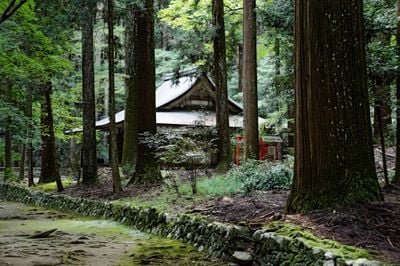
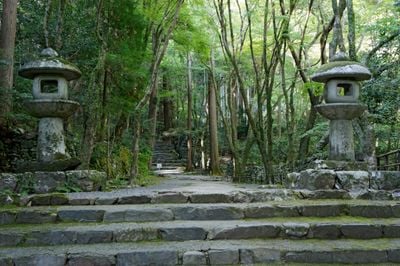
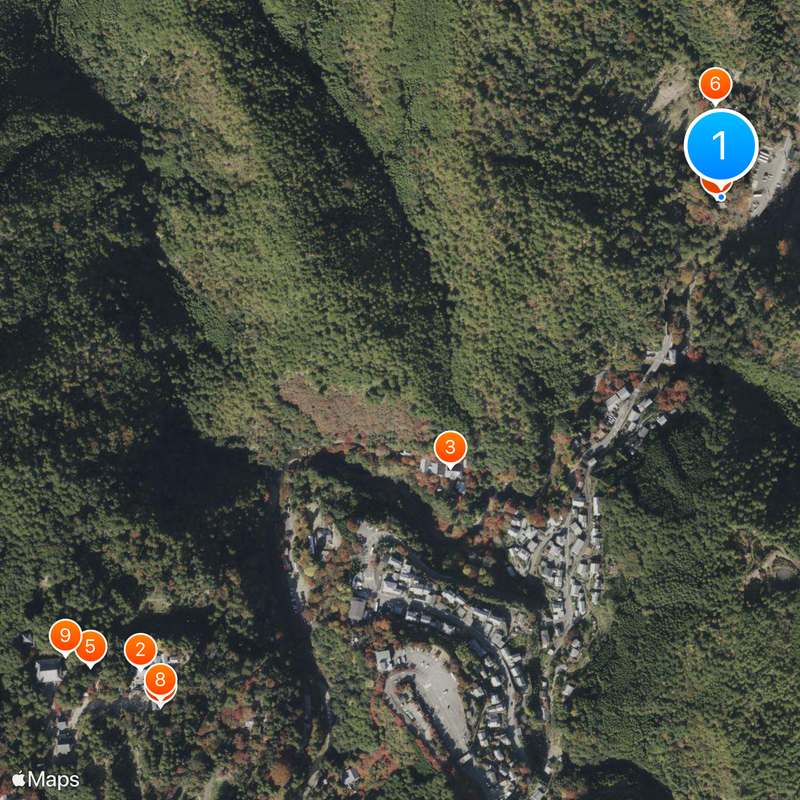
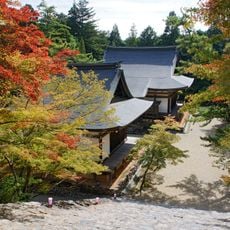
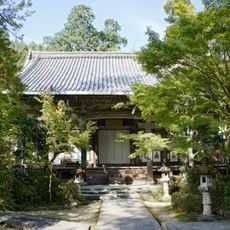
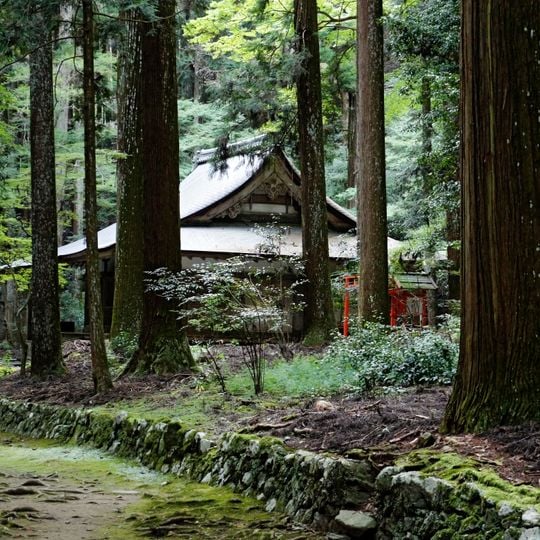
Kōzan-ji is a Buddhist temple set on mountainous grounds in Kyoto, with its oldest building being the Sekisui-in hall that displays precious artworks. The site spreads across different areas with views overlooking the surrounding mountain landscape.
In 1206 Emperor Go-Toba granted land to monk Myōe to establish this temple, marking an important moment in the region's religious history. The site later became recognized as a major cultural landmark and was listed among Kyoto's historic sites.
The temple preserves the renowned Chōjū-jinbutsu-giga scrolls with ink paintings from the 12th century depicting animals engaged in human activities. These works hold great meaning in the story of medieval Japanese art.
Visiting is best done during daylight hours, as the site is marked by mountain terrain and pathways that require exploration. Sturdy footwear and time to walk around the grounds are helpful for experiencing the location.
The grounds contain what is considered Japan's first tea field, which marks the origin of Japanese tea cultivation. This place holds special meaning for visitors interested in the roots of Japanese tea culture.
The community of curious travelers
AroundUs brings together thousands of curated places, local tips, and hidden gems, enriched daily by 60,000 contributors worldwide.