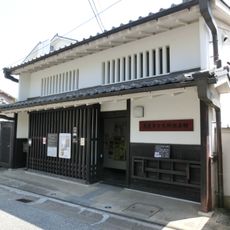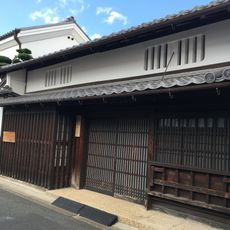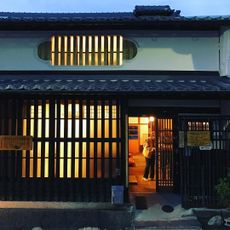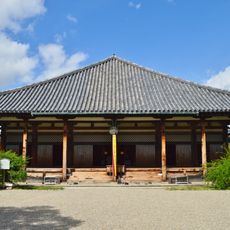
Gangō-ji Temple, Buddhist temple in Chūinchō, Nara, Japan
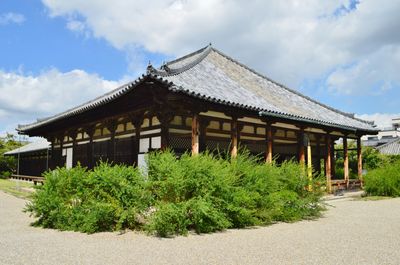
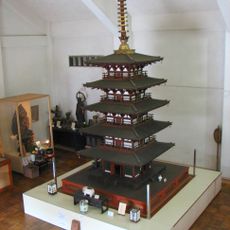
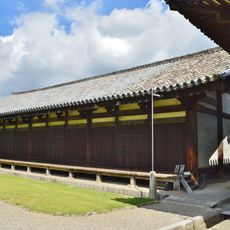
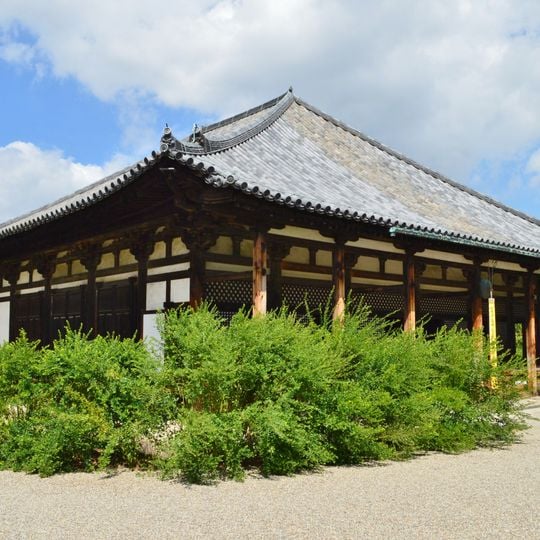
Gangō-ji is a Buddhist temple in Chūinchō whose main hall and Zen room are National Treasures, remodeled in the Kamakura period from Nara-period monks' quarters. The hall has a hipped tile roof with a row of rafters under the eaves, dark wooden pillars and white plaster panels. A five-story miniature pagoda, 5.5 m tall, is kept indoors.
Originally founded as Hoko-ji in Asuka, the temple relocated to Heijō-kyō in 718. It then became one of the Seven Great Temples during Nara's ancient imperial period.
The name Gangō-ji means 'temple where Buddhism first flourished in Japan.' The main hall enshrines the Chiko Mandala, a Pure Land painting by the Nara-period monk Chiko that drew worshippers from the late Heian period. The hall's east-facing orientation and surrounding veranda support walking nenbutsu practice.
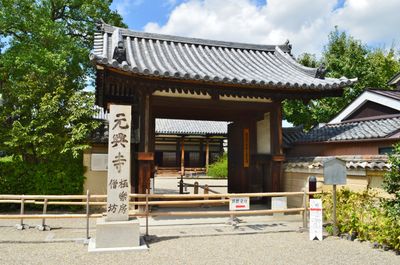
The temple is about a 10-minute walk from Kintetsu Nara Station. The main hall faces east, and thick square pillars reused from the Nara period stand around the inner sanctuary. A low bamboo railing with a white sign bearing a red arrow marks the reception area.
The five-story small pagoda in the treasure hall is 5.5 meters tall but reproduces the interior structure of a full pagoda, and is the only surviving example of Nara-period five-story pagoda construction. It was kept indoors at the former Shōtō-in, which limited damage.
The community of curious travelers
AroundUs brings together thousands of curated places, local tips, and hidden gems, enriched daily by 93,183 contributors worldwide.