Hachijō-jima, Volcanic island in Izu archipelago, Japan.
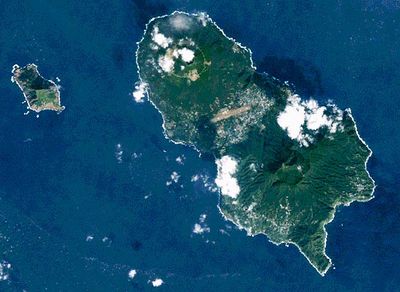
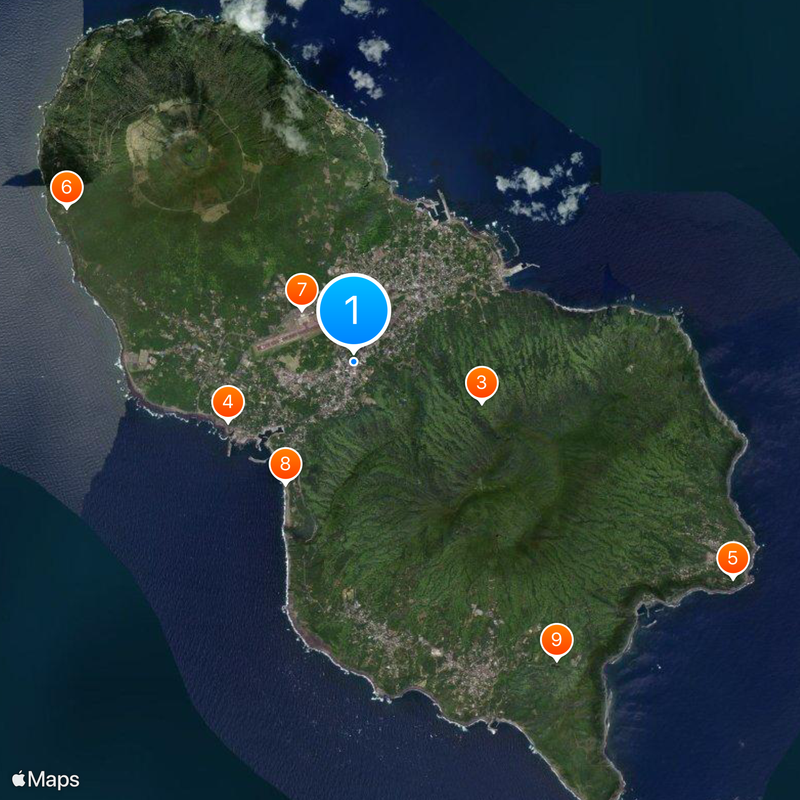
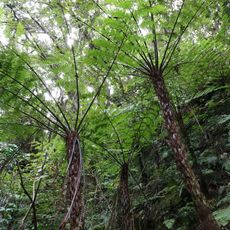
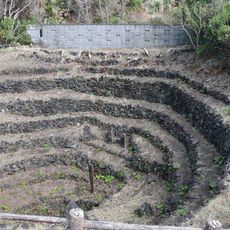
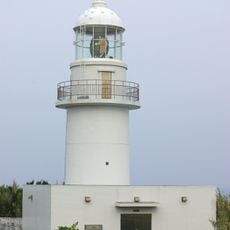
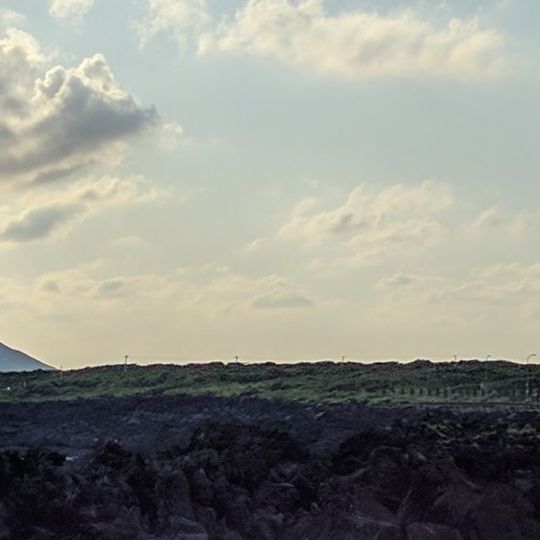
Hachijō-jima is an island south of Tokyo in the Pacific, formed by two extinct volcanic cones covered in dense subtropical forest. The coastline shows steep cliffs of dark lava rock, while flatter sections form small bays and black sand beaches.
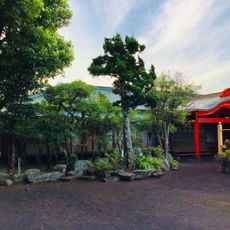
The territory served as a place of banishment for criminals and political prisoners under the Tokugawa regime from the 17th century until the mid-19th century. After this practice ended, fishermen and farmers settled, shaping the landscape that remains today.
Residents speak a local dialect that differs sharply from mainland Japanese and can still be heard among older generations. Local artisans weave yellow silk obtained from caterpillars of a particular plant, traditionally used for kimono fabric.
Walking trails lead through forests and along the coast, with sturdy footwear recommended for paths that are often damp and slippery. Weather can shift quickly, so visitors should bring rain gear and extra clothing.
On certain summer nights, particular mushroom species in the forest glow through natural bioluminescence, creating an unexpected spectacle on the forest floor. Hot springs along the coast draw directly from volcanic activity beneath the island and offer bathing with ocean views.
The community of curious travelers
AroundUs brings together thousands of curated places, local tips, and hidden gems, enriched daily by 92,632 contributors worldwide.