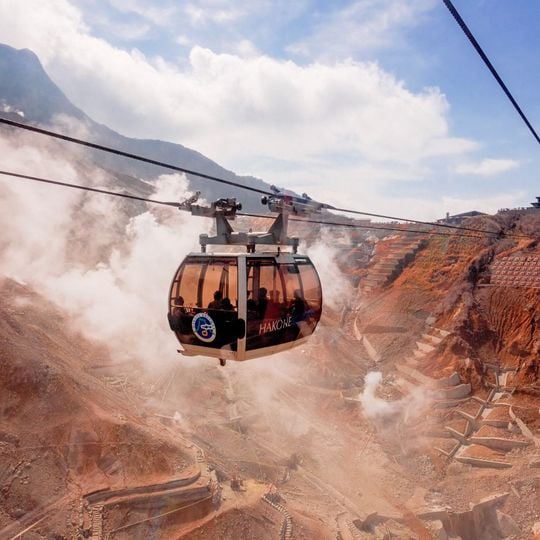
Hakone Ropeway, Aerial lift in Hakone, Japan.
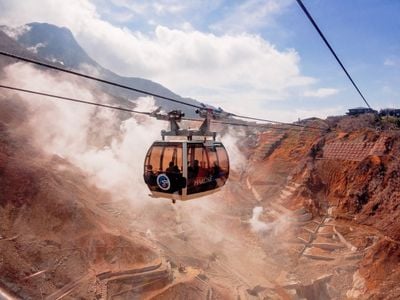
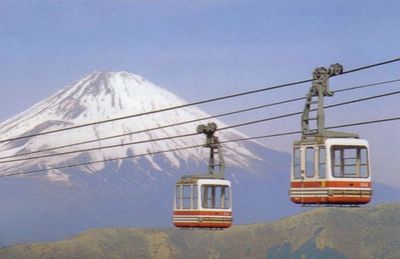
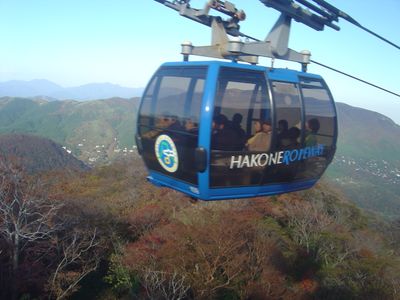
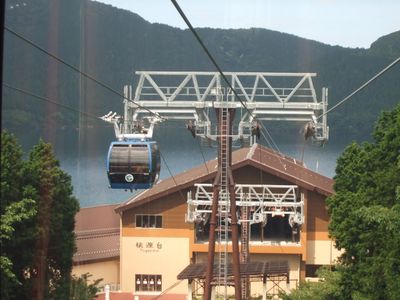
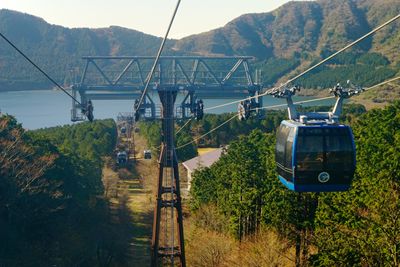
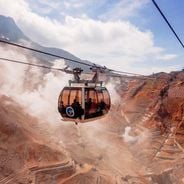
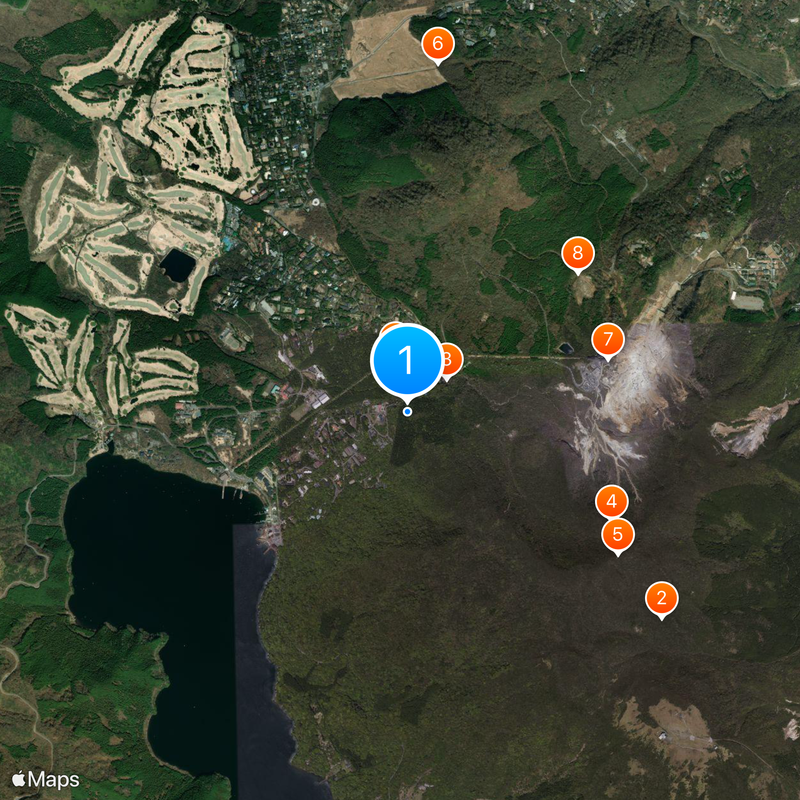
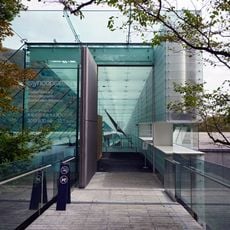
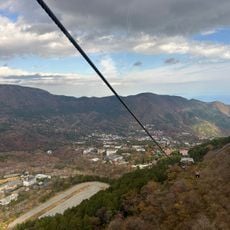
The Hakone Ropeway connects three stations between Sounzan and Togendai via a cable system spanning the mountains, passing over the active volcanic area of Owakudani. The route is divided into two sections, with cabins holding up to 18 passengers each, and some portions use funitel-style design to reduce swaying in wind.
The ropeway was constructed in 1959 and began operations that same year to facilitate mountain transportation in the region. In 2002, the system was restructured into two interconnected sections that improved connections between different parts of Hakone.
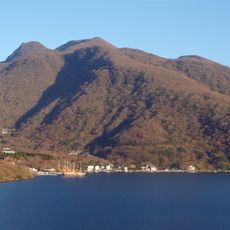
The stations along the route serve as starting points for visitors seeking traditional Japanese hot spring baths and local dining, while also connecting communities that share this mountain landscape. The ropeway itself has become woven into how people experience the region's natural landmarks together.
Cabins depart approximately every minute from 9:00 AM to 5:00 PM and take around thirty minutes to traverse the full route across all three stations. Views are clearest on sunny mornings, and checking weather conditions beforehand is helpful, particularly on windy days.
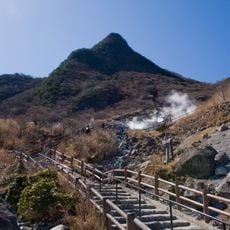
The route passes over Owakudani, an active volcanic zone where sulfurous steam rises from the earth in a striking natural display. At this station, visitors can sample famous black eggs boiled in the hot springs, which local tradition associates with good fortune and longevity.
The community of curious travelers
AroundUs brings together thousands of curated places, local tips, and hidden gems, enriched daily by 91,647 contributors worldwide.