Lot's Wife

Log in to your account

AroundUs is a community-driven map of interesting places, built by curious explorers like you. It grows with every review, story, and photo you share.
Connect to save your favorite spots, contribute locations, and create personalized routes.
By continuing, you accept our Terms and Conditions and our Privacy Policy
Add to collection
Map
Suggest a change
Share

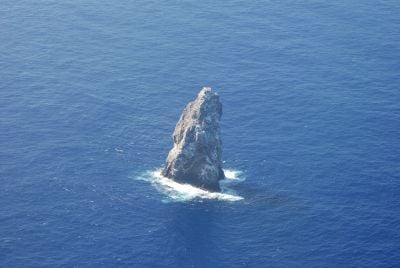
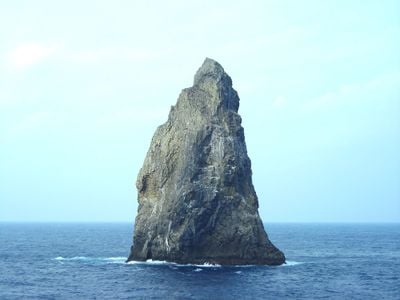
Lot's Wife, Volcanic island in Philippine Sea, Japan

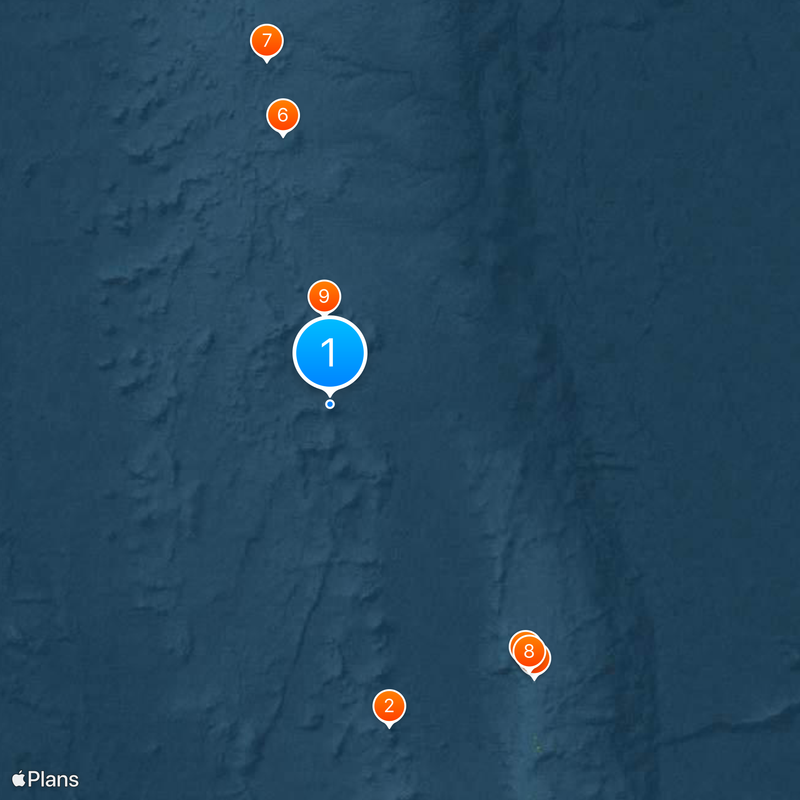
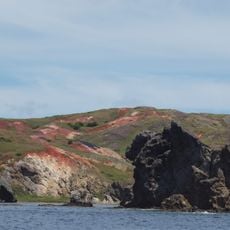
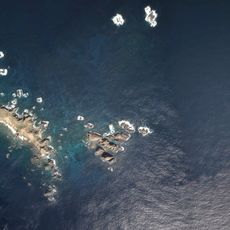
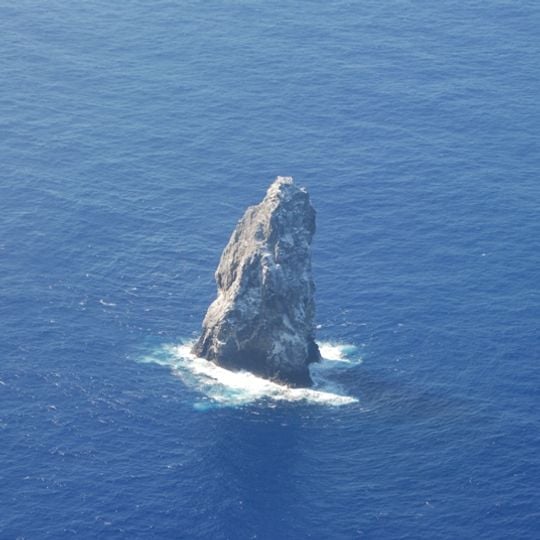
The basalt pillar rises 99 meters from the sea, forming a steep rock formation with an area of 0.01 square kilometers at coordinates 29°47′39″N 140°20′31″E.

British merchant sailor John Meares discovered the island in 1788 and named it Lot's Wife after the biblical figure who turned into salt.

The Japanese name Sofu Iwa represents the international connection between Western biblical reference and Eastern geographical nomenclature for this natural formation.

Located 650 kilometers south of Tokyo, the island presents substantial landing difficulties due to its vertical cliffs and strong ocean currents.

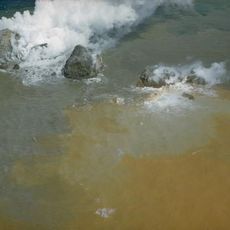
The underwater structure extends 2.6 kilometers southeast as a submarine volcanic caldera, with clear waters attracting numerous marine species.

Location: Hachijō Subprefecture

Elevation above the sea: 99 m

Part of: Izu Islands

GPS coordinates: 29.79417,140.34194

Latest update: May 28, 2025 18:14

Notable rock formations worldwide

Geological formations develop over millions of years through natural processes including erosion, weathering, and tectonic activity. These rocks and stone structures take various forms – arches, monoliths, spheres, and pillars – shaped by wind, water, and time. They document Earth's geological history and provide insight into the forces that have sculpted our planet. From the red sandstone formations of the Australian outback to the granite arches of Central Europe, these sites demonstrate the diversity of geological processes across different climates and landscapes. The collection includes locations such as Uluru in Australia's Northern Territory, a 1,142-foot (348-meter) sandstone monolith of cultural significance to the Anangu people. In Rogaland, Norway, Kjeragbolten is a boulder wedged between two cliff faces. Pravčická Brána in the Czech Republic's Ústí nad Labem region is Europe's largest natural sandstone arch with a span of 85 feet (26 meters). Other examples include the Moeraki Boulders in New Zealand, nearly spherical stones along the beach, and El Capitan in California, a 2,900-foot (900-meter) granite wall. These formations serve both geological research and as destinations for travelers interested in exploring natural landforms.

Reviews

Visited this place? Tap the stars to rate it and share your experience / photos with the community! Try now! You can cancel it anytime.

« Lot's Wife - Volcanic island in Philippine Sea, Japan » is provided by Around Us (aroundus.com). Images and texts are derived from Wikimedia project under a Creative Commons license. You are allowed to copy, distribute, and modify copies of this page, under the conditions set by the license, as long as this note is clearly visible.

Discover hidden gems everywhere you go!

From secret cafés to breathtaking viewpoints, skip the crowded tourist spots and find places that match your style. Our app makes it easy with voice search, smart filtering, route optimization, and insider tips from travelers worldwide. Download now for the complete mobile experience.

Around Us App Screenshot

A unique approach to discovering new places

Le Figaro

All the places worth exploring

France Info

A tailor-made excursion in just a few clicks

20 Minutes