Kuni-kyō, Ancient Japanese capital in Sōraku district, Japan
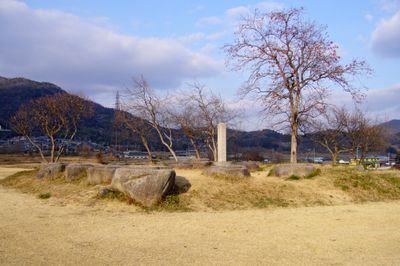
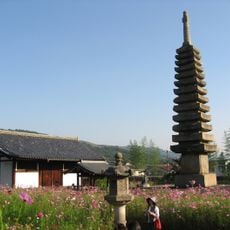
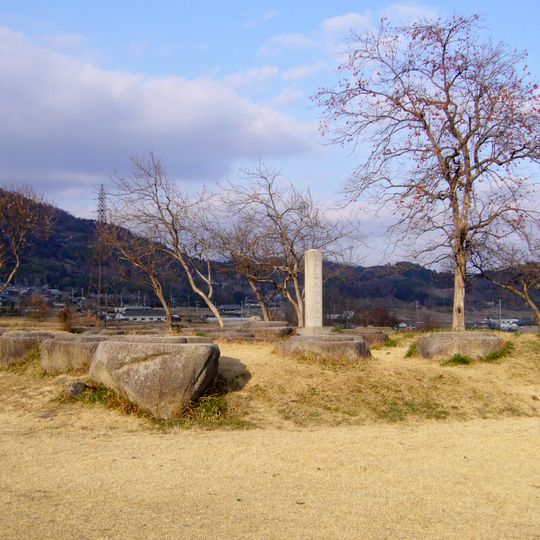
Kuni-kyō was an ancient Japanese capital, with archaeological remains showing foundation stones from former palace buildings. The excavated area reveals an extensive grid layout that demonstrates the scale of the imperial complex.
Emperor Shōmu established this as the capital in 741, creating a new seat of imperial government. This founding followed internal political turmoil that prompted relocation from the previous capital.
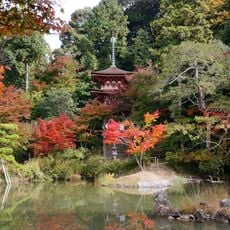
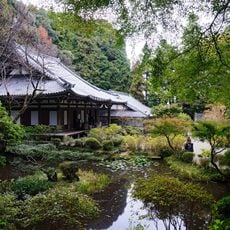
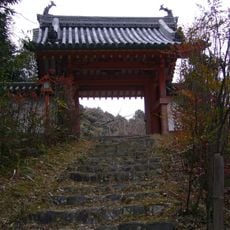
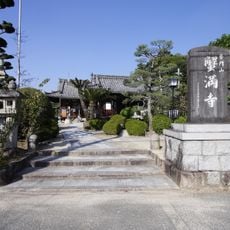
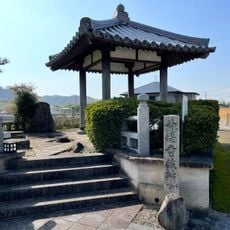
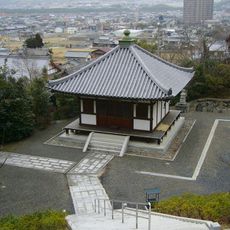
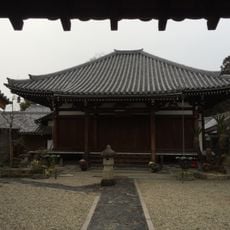
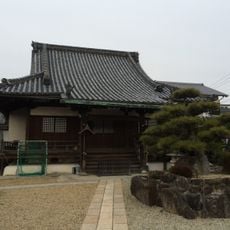
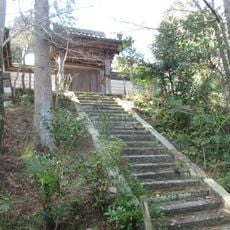
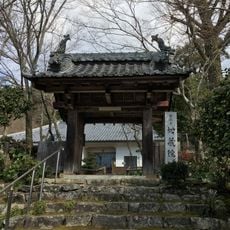
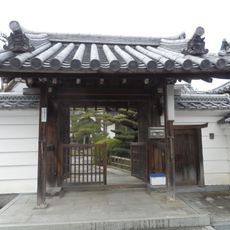
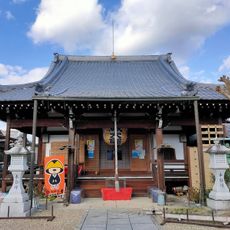
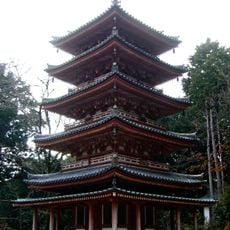
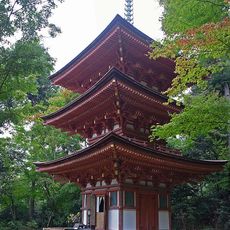
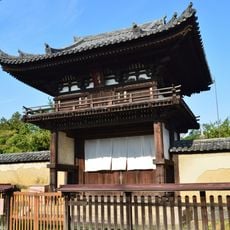
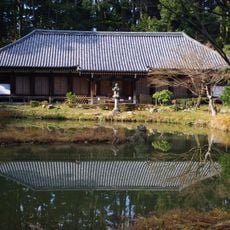
The name reflects the imperial residence and ceremonial structures that once stood here, built following Chinese design traditions. You can trace the old city's layout today through the temples and shrines scattered across the area.
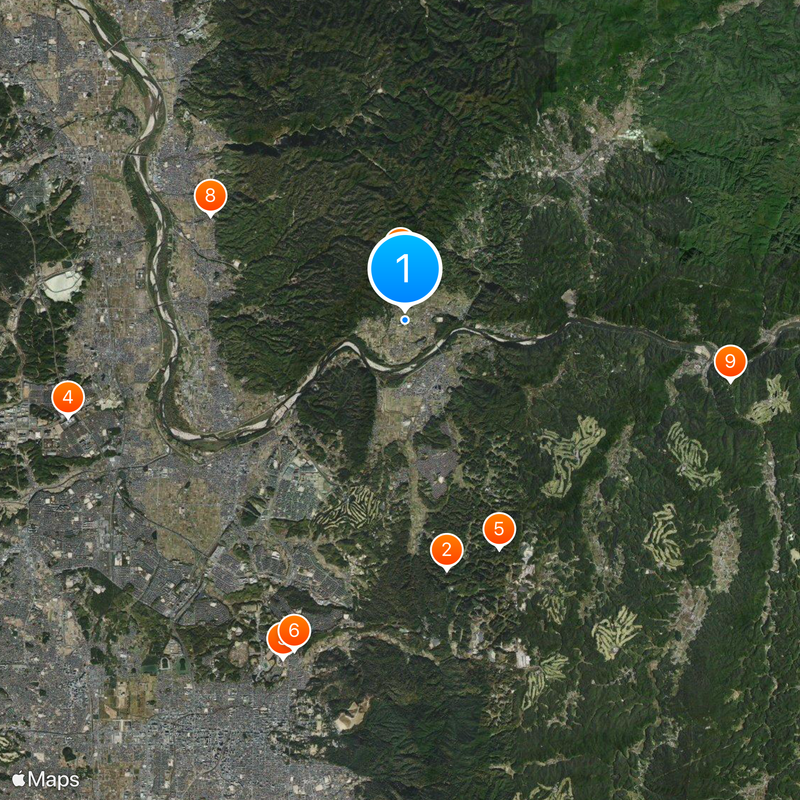
The site is walkable from Kamo Station on the Yamatoji Line, making it easy to reach on foot. The surrounding temples and shrines help you navigate and understand the historical boundaries of the place.
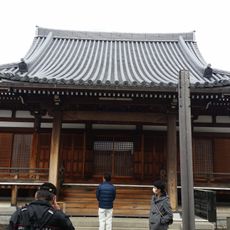
The Daigokuden, the main ceremonial hall of the imperial complex, was later converted into a Buddhist temple while retaining its original structure. This transformation shows how ancient imperial architecture preserved its physical form across centuries.
The community of curious travelers
AroundUs brings together thousands of curated places, local tips, and hidden gems, enriched daily by 91,851 contributors worldwide.