Lake Okutama, Reservoir in Okutama, Tokyo, Japan
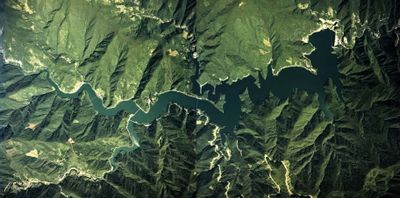
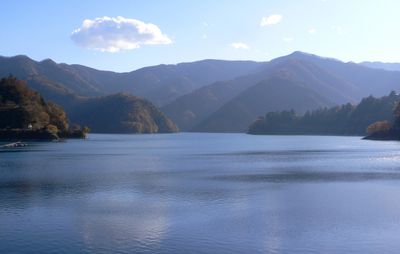
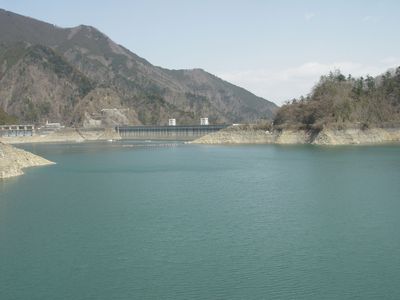
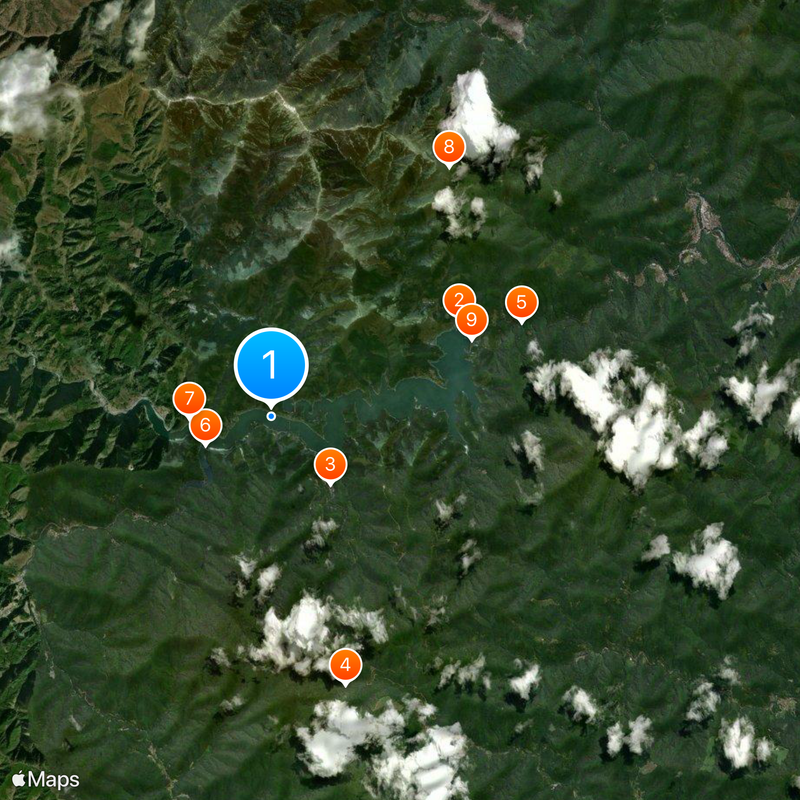
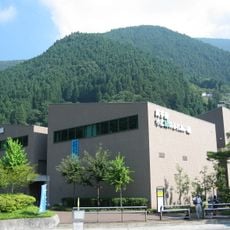
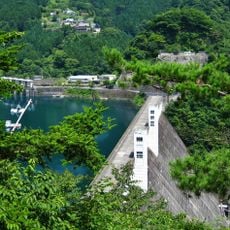
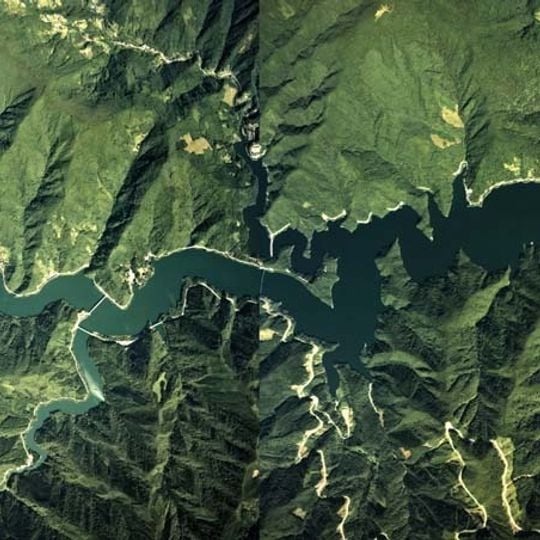
Lake Okutama is the Ogōchi Reservoir, an artificial lake created by the 148-meter-high Ogōchi Dam, completed in 1957. It lies at 526.5 meters above sea level, covers 4.25 square kilometers, and holds 185.4 million cubic meters of water. The Tama River enters at the western end and leaves at the eastern end, while the Kosuge River flows in from the southwest.
The Ogouchi Dam was completed in 1957 to supply fresh water to the growing capital, flooding several small villages in the process. This project marked postwar infrastructure expansion and transformed the Okutama region from a remote rural area into a strategic water reserve.
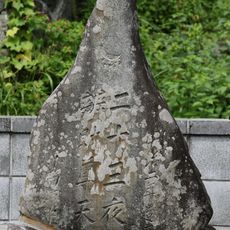
The lake's official name is Ogōchi Reservoir, after the sunken village of Ogōchi; the popular name Okutama-ko came later. A monument on the left bank carries the lyrics of the 1937 hit 'Lakebed Homeland' by Tōkichi Shōji, and villagers were invited to its unveiling. The lakeside Ogōchi Shrine and the spring cherry blossoms draw visitors, while the water surface itself stays closed for water-quality management.
From Okutama Station on the JR Ome Line, a Nishi Tokyo Bus runs to the Okutamako stop beside the Ogouchi Dam in about 15 minutes, with one or two departures per hour. The lake surface itself is closed to the public because it is a drinking-water reservoir, so walking routes stay on the shore. The two floating bridges are closed when the water level drops.
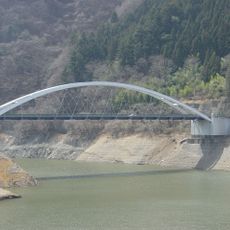
Two floating pedestrian bridges cross the lake: the Mugiyama Floating Bridge and the Torura Floating Bridge. They were originally supported by steel drums, which is why they are still called Drum Can Bridges; today they use synthetic resin floats of similar shape. The downstream Mugiyama bridge links National Route 411 with the Okutama Shuyu Road and closes when the water level drops.
The community of curious travelers
AroundUs brings together thousands of curated places, local tips, and hidden gems, enriched daily by 94,042 contributors worldwide.