Yushima Seidō, Confucian temple in Yushima district, Tokyo, Japan
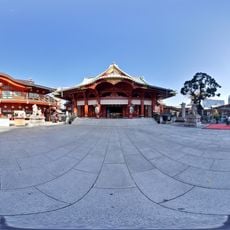
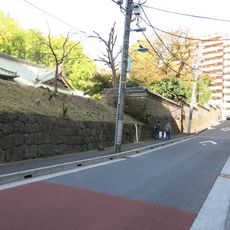
Yushima Seidō is a Confucian temple in the Yushima district of Tokyo, with a main hall featuring black exterior walls and curved rooflines modeled on Chinese design. The compound extends across several levels with paved courtyards, stone staircases, and high walls that separate the temple area from the surrounding neighborhood.
The sanctuary was founded in the late 17th century as an educational center of the Tokugawa government and was rebuilt several times after fires and earthquakes. The present compound dates from the 1930s and combines traditional Japanese construction techniques with historical Chinese elements.
The name Shōhei comes from the village where Confucius was born, and it also gave the district its name. The temple holds the world's largest statue of Confucius, donated in 1975 by the Lions Club of Taipei, along with statues of the Four Sages: Yan Hui, Zengzi, Kong Ji and Mencius. Annual events include the Confucius Festival on the fourth Sunday of April and the Shennong Festival on 23 November.
The temple stands a two-minute walk from Ochanomizu Station on the JR Chuo Line and from Shin-Ochanomizu Station on the Chiyoda Line, and one minute from Ochanomizu Station on the Marunouchi Line. The Taiseiden hall opens only on Saturdays, Sundays and public holidays. The grounds are a designated national historic site, so the Edo-period well and other remains are protected.
The compound holds a rare Chinese pistache, the kai tree (楷の木), associated with Confucius: tradition says its wood was favoured for carving printing blocks and its straight growth became a symbol of upright scholarship. Look for it among the plantings, alongside the world's largest Confucius statue, donated in 1975 by the Lions Club of Taipei.
The community of curious travelers
AroundUs brings together thousands of curated places, local tips, and hidden gems, enriched daily by 93,782 contributors worldwide.