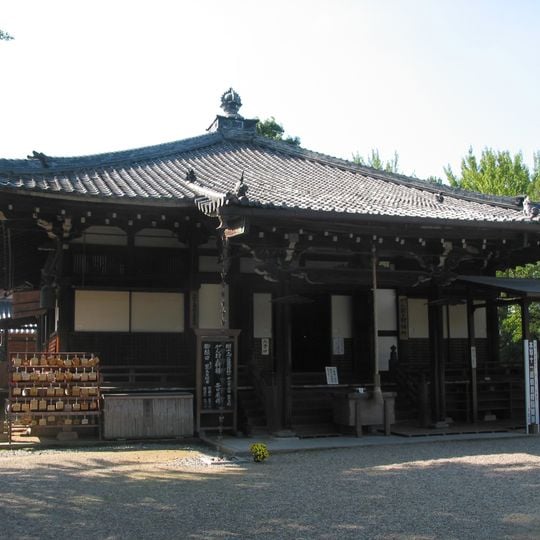
Daian-ji Temple, Buddhist temple in Nara, Japan
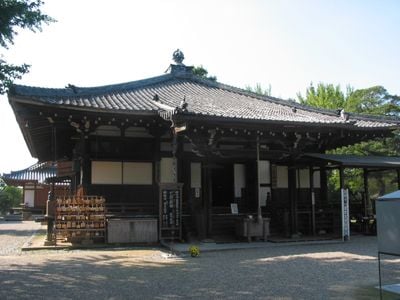
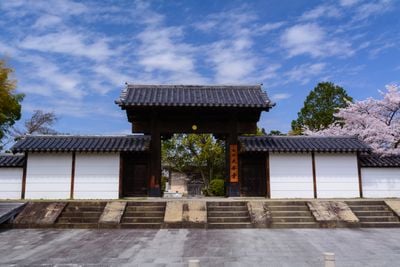
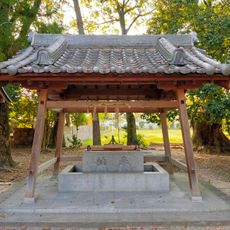
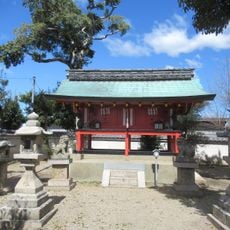
Daian-ji is a Buddhist temple in Nara that occupies several city blocks on what was once the left side of the ancient capital Heijo-kyo. Foundation stones of two former pagodas mark the southern portion of the grounds, showing where towers once stood.
Founded in 639 as Kudara-no-Ōdera on the banks of the Kudara River, Japan's first official temple, it was moved and renamed Takaichi-no-Ōdera in 673 and Daikan-daiji in 677. It relocated to Heijō-kyō around 716 and became Daian-ji, its precincts designated a National Historic Site in 1929.
The temple's name comes from its role as one of the official temples of the capital, and today it is known for rituals against cancer. Visitors drink warmed sake from bamboo tubes during the Sasa Sake Festival, a tradition linked to Emperor Konin. The main image, an Eleven-faced Kannon, is shown only in October and November.
The temple opens every day from 9 in the morning until 5 in the afternoon, charging 600 yen for adults and 300 yen for students. Visitors can view several Tenpyo-period statues inside the main hall after paying the entrance fee.
The Sasa-sake Matsuri, held in late Nara-period memory of Emperor Konin, has visitors drink sake warmed in a bamboo tube and pray for health. The temple is also known today for rites against cancer. Nine wooden Buddhist statues from around the late 8th century are the only surviving Nara-period pieces.
The community of curious travelers
AroundUs brings together thousands of curated places, local tips, and hidden gems, enriched daily by 93,172 contributors worldwide.