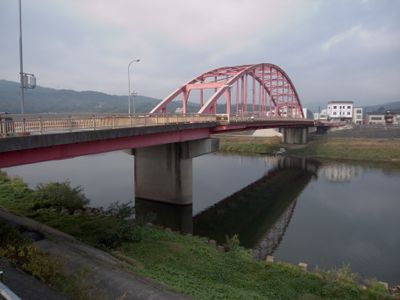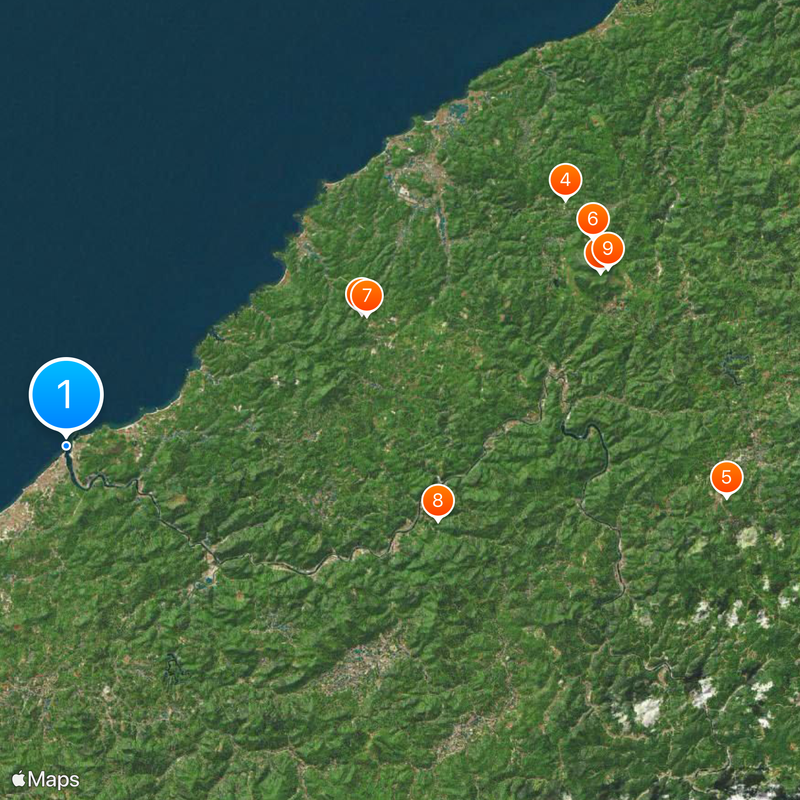
Gōnokawa River, Major river system in Chugoku region, Japan
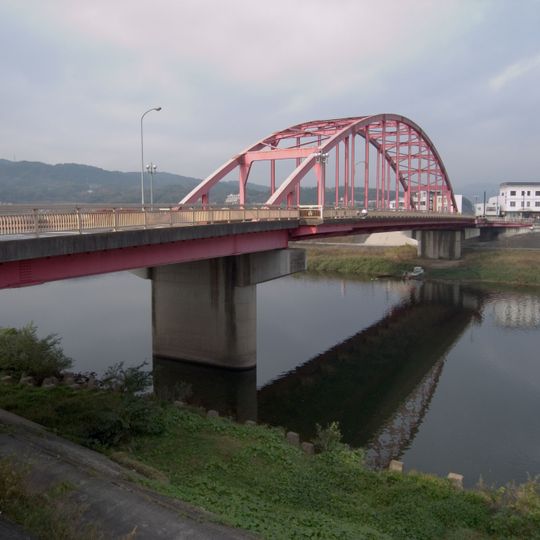
The Gōnokawa River stretches across Shimane and Hiroshima prefectures for about 194 kilometers, forming the largest river system in western Japan. The river is regulated by three dams that supply water to the region and help manage flooding.
Before modern transportation developed in the 1930s, the river served as the primary route for moving goods and people between inland communities and coastal areas. This role shaped the development of the regions along its banks.
Fishermen along the river use trained cormorants to catch fish using methods passed down through generations, a practice that remains part of local life and visible to visitors.
Spring and autumn are the best times to visit when the weather is mild and the water is clearer. Several viewpoints and walking paths along the banks offer different perspectives of the river landscape.
In the clearer sections of the river live giant salamanders that can reach up to one meter in length, indicating healthy water quality. These creatures are a hidden sign of the ecological balance that few visitors notice.
The community of curious travelers
AroundUs brings together thousands of curated places, local tips, and hidden gems, enriched daily by 91,831 contributors worldwide.