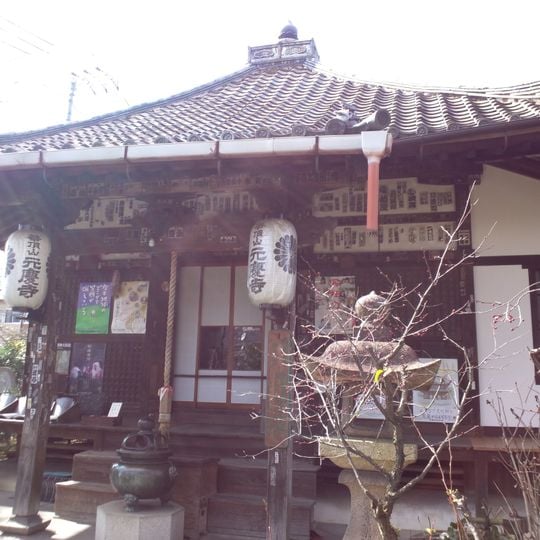
Gangyō-ji Temple, Buddhist temple in Yamashina district, Kyoto, Japan
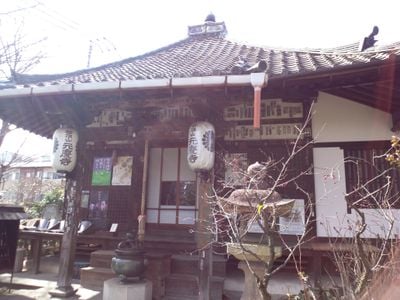
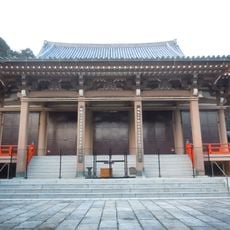
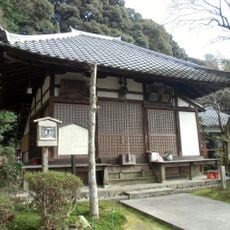
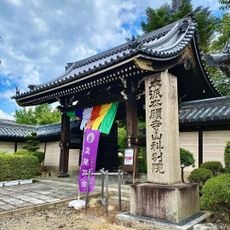
Gangyō-ji is a Tendai Buddhist temple in Yamashina-ku, Kyoto, with the mountain name Kachō-zan. Its main hall (Yakushi-dō) enshrines Yakushi Nyorai, and the grounds also contain a five-great-halls (Godai-dō), a bell tower gate in Ryūgū style, and a small Rokusho Shrine. A stone monument marks the spot where Emperor Kazan took his vows.
Founded in 868 by the monk Henjō as a jōgakuji at the request of Fujiwara no Takako, mother of Emperor Yōzei, the temple became an official temple in 877 and took the name of the Gangyō era. In 986 Emperor Kazan was forced to become a monk here through a scheme by Fujiwara no Kaneie and his son Michikane, and Kaneie's grandson ascended the throne. The temple was destroyed by fire during the Ōnin War, and the current buildings were rebuilt between 1789 and 1792.
The temple is also called Kazan-ji after Emperor Kazan, who was tonsured here in 986; the Ōkagami records this name. Its status as a bangai stop on the Saigoku Kannon Pilgrimage stems from Emperor Kazan's revival of that route. Near the temple is the grave of Henjō, the founding monk and one of the Six Immortal Poets.
The temple stands at 13 Kitakazan Kawaramachi, Yamashina-ku, Kyoto. It is about a 20-minute walk from Misasagi Station on the Kyoto Municipal Subway Tozai Line and the Keihan Keishin Line, or about 5 minutes from the Kitakazan bus stop on Keihan buses. The grounds are compact, so the halls and the gate can be seen in a short visit.
Gangyō-ji is a bangai (extra) stop of the Saigoku Kannon Pilgrimage, listed between the 14th temple, Onjō-ji, and the 15th, Imakumano Kannon-ji. The link comes from Emperor Kazan, who revived the pilgrimage founded by Tokudō Shōnin; the temple honours him with a stone monument marking the site of his tonsure.
The community of curious travelers
AroundUs brings together thousands of curated places, local tips, and hidden gems, enriched daily by 93,171 contributors worldwide.