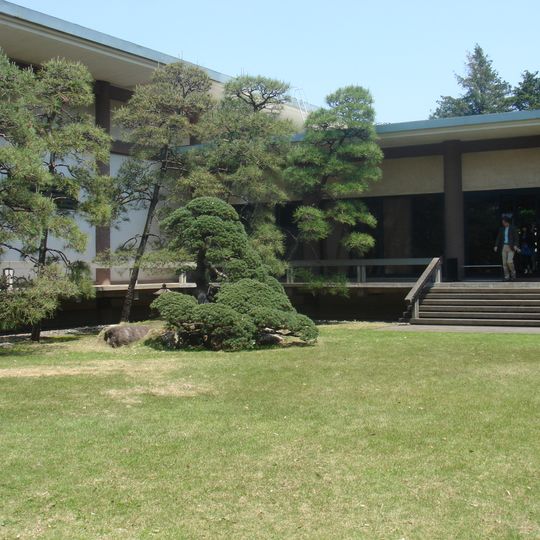
Gotoh Museum, Art museum in Kaminoge, Tokyo, Japan
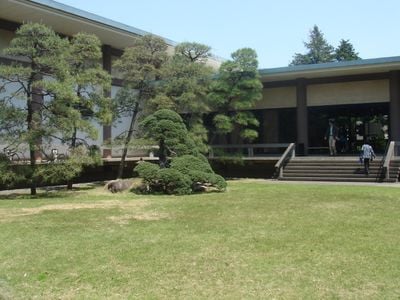
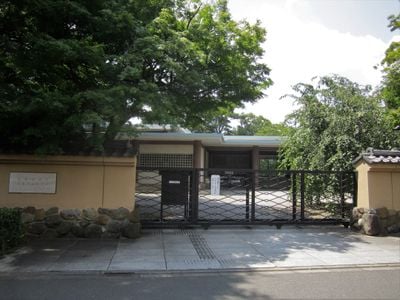
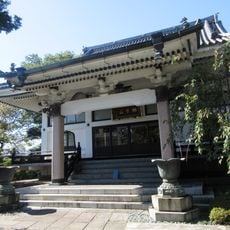
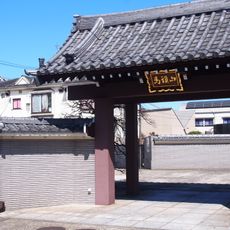
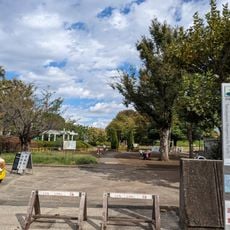
The Gotoh Museum is a low, flat-roofed building in Kaminoge designed by Isoya Yoshida, with a cream facade divided by square light-gray columns, dark glass windows, and a recessed entrance reached by shallow stone steps. Its two exhibition rooms show Japanese and Chinese paintings, calligraphy, ceramics, and archaeological objects, with no permanent display except a wooden Aizen Myōō statue. A garden with stone Buddhist statues and tea houses lies behind.
Keita Gotoh, who built the Tokyu railway lines, collected Japanese artworks for decades and founded the museum in 1960 to display them. After his death, descendants expanded the collection and organized the management of the holdings.
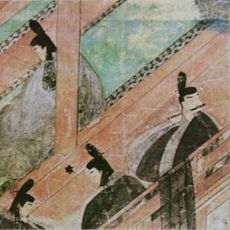
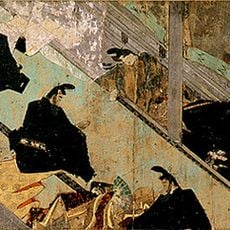
The collection holds artworks that Gotoh personally gathered, including tea ceremony objects and Buddhist paintings from the 8th to 14th centuries. Visitors experience the presentation in quiet rooms where rotating exhibitions direct attention to lacquerware, ink painting, and hand-copied sutras.
Access is through the Tokyu Oimachi Line to Kaminoge Station, from where it is a five-minute walk. Exhibitions rotate, so checking current themes beforehand is worthwhile if specific artworks are the focus of the visit.
The building by Isoya Yoshida took 60 days to finish its colour, and in 1961 it won the second Building Contractors Society Award. The garden holds stone Buddhas, including a Dainichi Nyorai and Six Jizō, brought from the Izu and Nagano railway projects. The site was formerly the home of Den Kenjirō, a colonial administrator and communications minister.
The community of curious travelers
AroundUs brings together thousands of curated places, local tips, and hidden gems, enriched daily by 93,178 contributors worldwide.