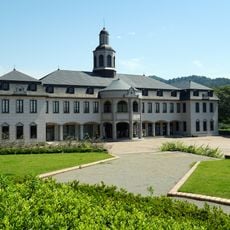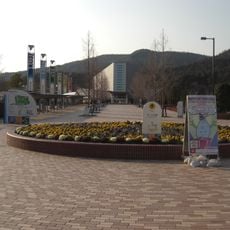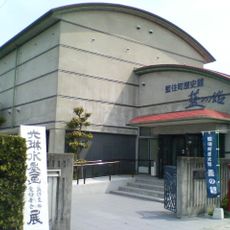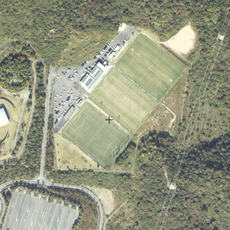
Konsen-ji Temple, Buddhist temple in Itano, Japan
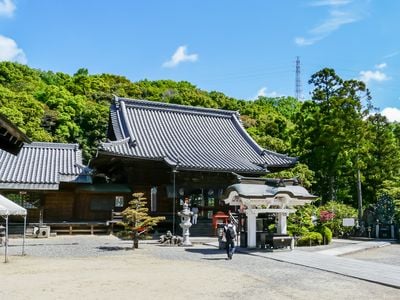
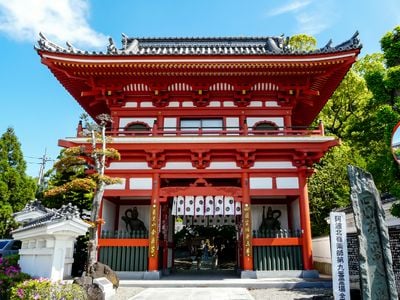
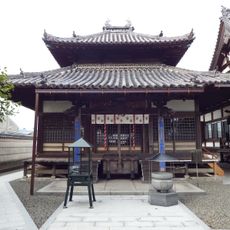
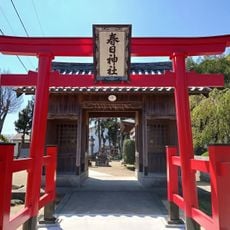
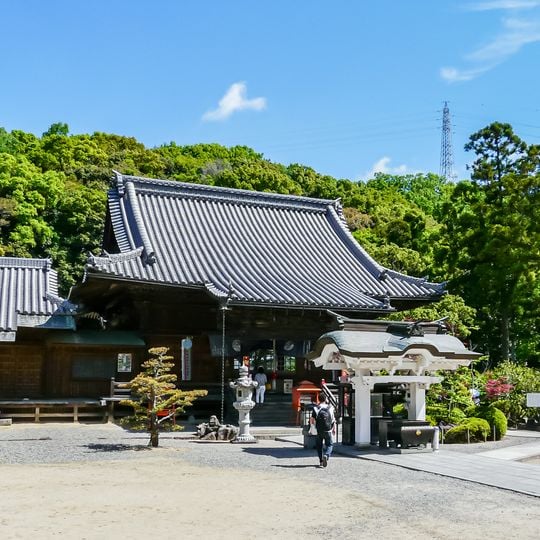
Konsen-ji is a Buddhist temple in Itano, sitting at the foot of a hill, and it belongs to the reijō category as one of the 88 sacred stops on the Shikoku Pilgrimage. The grounds hold several wooden halls, a small garden, a hand-washing fountain at the entrance, and a temple office where pilgrims receive an ink stamp.
According to temple tradition, the monk Gyōki carved the main image and founded the temple as Konkōmyō-ji during the Tenpyō era (729–749) under Emperor Shōmu's decree. In the Kōnin era (810–824), Kūkai dug a well whose golden spring water gave the temple its present name, Konsen-ji. In 1582 Chōsokabe Motochika's troops burned most buildings except the Daishi-dō; they were later rebuilt. Nara-period roof tiles excavated on the grounds support a Nara-period origin.
The temple's name means "golden spring": legend says Kūkai dug a well here whose golden water solved a water shortage, and the well still stands in the grounds, where seeing your own face reflected is said to bring long life. The grounds also hold a Noh play stone said to have been lifted by Benkei, and a summer camellia (natsutsubaki) left of the Daishi Hall that flowers around June.
The grounds have uneven paths and some steps, so sturdy footwear is a good idea. Visiting early in the day gives you more space to move around before larger groups of pilgrims arrive.
The temple's name means "golden spring," and it comes from a well Kūkai is said to have dug here during the Kōnin era (810–824) to end a water shortage, when golden spring water broke forth. The well still stands behind the Daishi Hall, and tradition holds that anyone who sees their own face reflected in it will live a long life.
The community of curious travelers
AroundUs brings together thousands of curated places, local tips, and hidden gems, enriched daily by 93,185 contributors worldwide.