Kimpusen-ji Temple, Buddhist temple in Yoshino, Japan
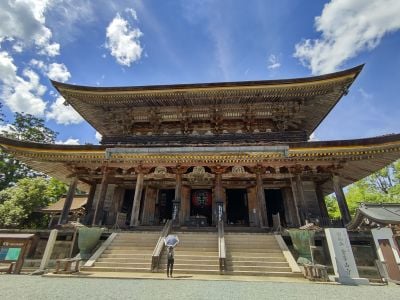
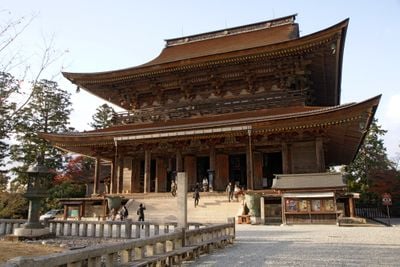
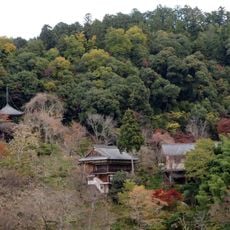
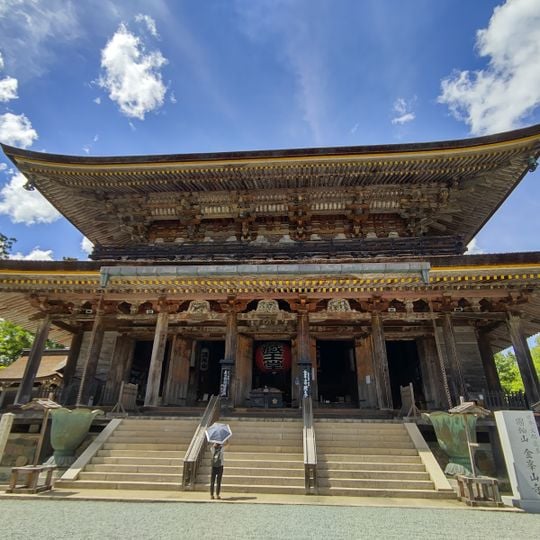
Kimpusen-ji is a Buddhist temple in Yoshino that includes the Zaō Hall, the second largest wooden structure in Japan, dedicated to the deity Zaō gongen. The grounds extend across the forested slope of Mount Yoshino, connecting multiple buildings through staircases and paved pathways.
En no Gyōja founded the site in the 7th century as a center for mountain asceticism, establishing the foundation for Shugendō development. The Zaō Hall has been rebuilt multiple times, most recently after a late 16th-century fire under the Toyotomi shogunate.
The complex serves as headquarters for the Kinpusen-Shugendō tradition, which merges Buddhist teachings with the veneration of sacred mountains. Pilgrims and visitors experience this synthesis through rituals and ceremonies that still take place inside the hall today.
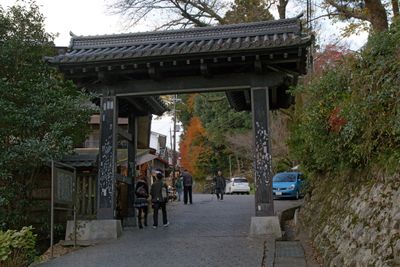
The temple sits about a ten-minute walk from Yoshino Ropeway's Yoshino-yama Station, past the black gate and the bronze torii on the uphill approach. The Zaō Hall faces south while the Niō Gate faces north, so pilgrims arriving from Kumano and those heading there each meet a proper entrance. The Niō Gate is undergoing a major repair through 2028, during which its two 5-meter guardian figures are shown at the Nara National Museum.
The three Zaō gongen statues are hidden from view, but their central figure, about 7 meters tall, is called Japan's largest secret Buddha. Records inside the statues show they were carved by the Nanto sculptors Munetada and Muneyin, brothers who also worked on Hideyoshi's Great Buddha at Hōkō-ji in Kyoto.
The community of curious travelers
AroundUs brings together thousands of curated places, local tips, and hidden gems, enriched daily by 92,789 contributors worldwide.