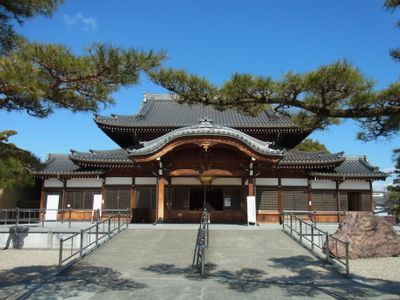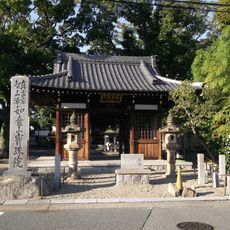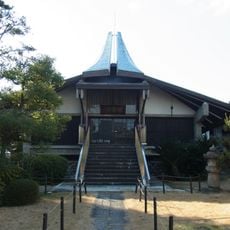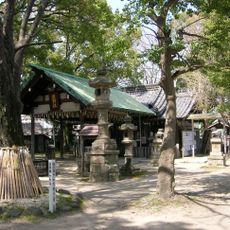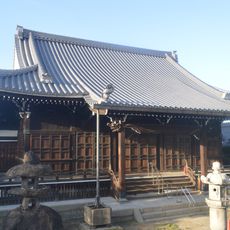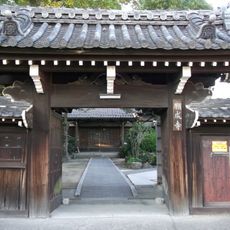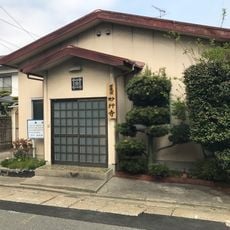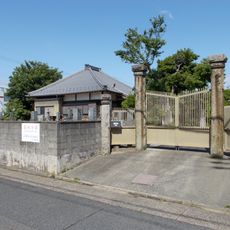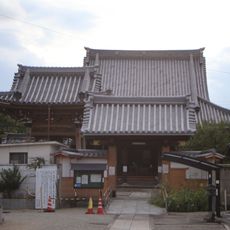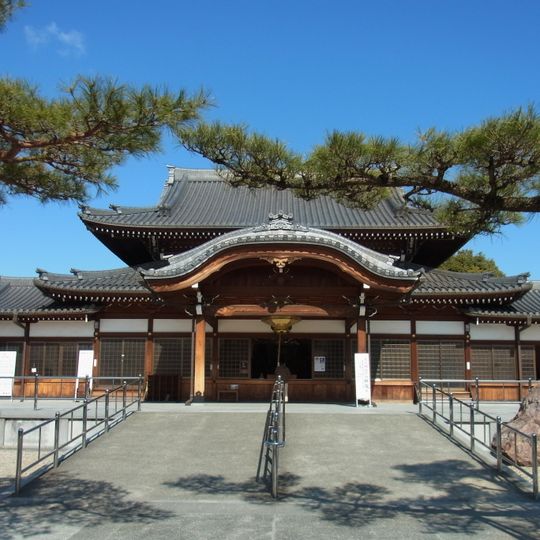
Arako Kannon, Buddhist temple in Nakagawa-ku, Japan.
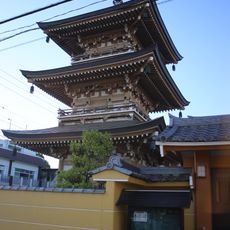
Arako Kannon is a Buddhist temple in Nagoya featuring a wooden two-story pagoda built in 1536, the oldest standing structure in the city. The complex includes multiple buildings and courtyards arranged across the grounds.
According to temple tradition, the monk Taichō founded the temple in 729, and his disciple Jishō arranged its halls in 741; historians treat these origins as uncertain. The 1536 tahōtō, rebuilt by the carpenter Okabe Jinshirō Yoshisada of Atsuta, is the oldest surviving building in Nagoya. Maeda Toshiie, born into a local Arako family, rebuilt the main hall in 1576 and donated his armour; the temple is his family temple. The main hall burned in 1994 and was rebuilt in 1997.
The temple houses more than a thousand Buddhist statues carved by artist Enku, reflecting deep-rooted Japanese sculptural traditions. Visitors can observe these works inside and experience the craftsmanship of the period.
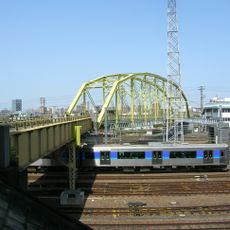
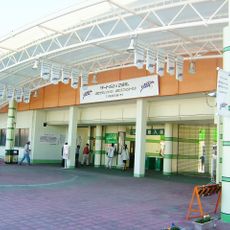
The temple is in Arako-cho, Nakagawa-ku, about 9 minutes on foot from Takabata Station on the Higashiyama subway line and about 10 minutes from Arako Station on the Aonami line; city buses also stop at Arako-cho and Arako Kannon. The Enku statues are shown in the guest hall on the second Saturday of each month from 1 to 4 pm, when a carving workshop is held in the grounds.
The two Niō guardians in the temple gate are the largest known Enkū sculptures. Enkū is said to have carved them from a great hinoki cypress, using the leftover wood for other images; over 1,200 of his carvings survive here.
The community of curious travelers
AroundUs brings together thousands of curated places, local tips, and hidden gems, enriched daily by 93,287 contributors worldwide.