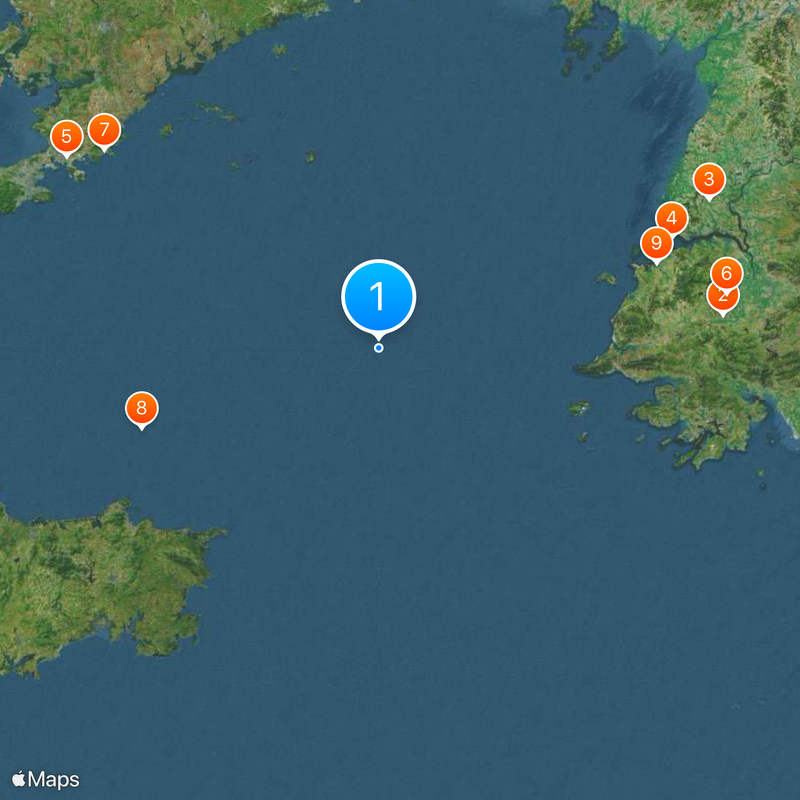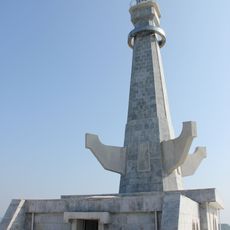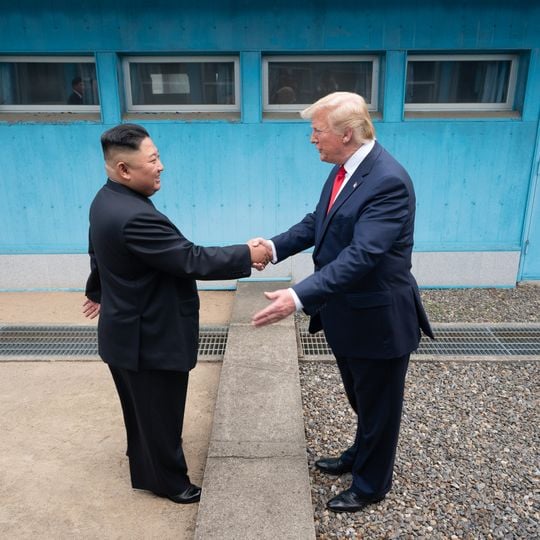
North Korea–South Korea border, Demilitarized zone at 38th parallel, Korean Peninsula.
The border between North and South Korea is roughly 250 kilometers long and incorporates a 4-kilometer-wide demilitarized zone. This zone stretches from the west coast to the east coast of the Korean Peninsula and is heavily guarded with fences, watchtowers, and troops from both sides.
The border zone emerged in 1953 from an armistice agreement that ended the Korean War without a formal peace treaty. Since then, this demilitarized area has divided the two countries and remains one of the world's most heavily guarded places.
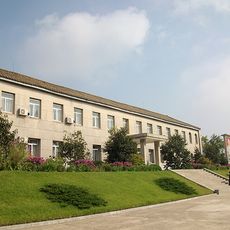
Two inhabited villages remain within the zone: Daeseong-dong in South Korea and Kijong-dong in North Korea, each reflecting distinct ways of life. From observation areas, visitors can see how people have adapted to living in one of the world's most isolated places.
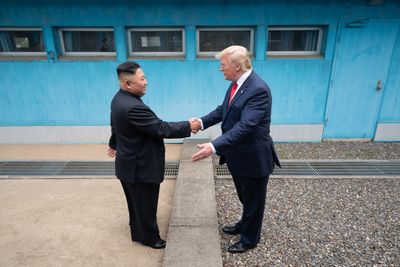
Guided tours allow visitors to observe sections of the border, including the Joint Security Area where diplomatic meetings occur. Access is restricted to designated areas, and visits require special permission with authorized guides only.
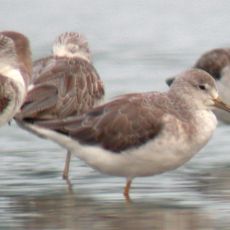
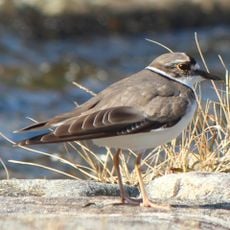
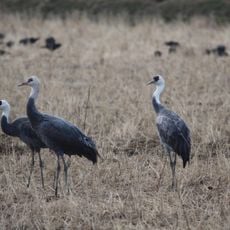
Decades without human activity transformed this area into a natural refuge where endangered animals found shelter in forests and wetlands. Paradoxically, this zone divided between two nations has become one of the region's most valuable wild habitats.
The community of curious travelers
AroundUs brings together thousands of curated places, local tips, and hidden gems, enriched daily by 90,799 contributors worldwide.