Gwangju National Museum, National museum in Gwangju, South Korea
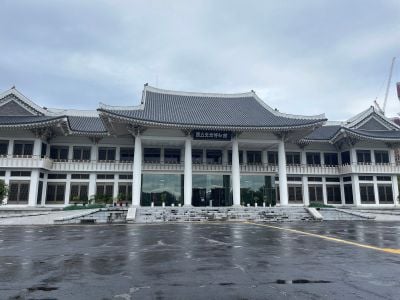
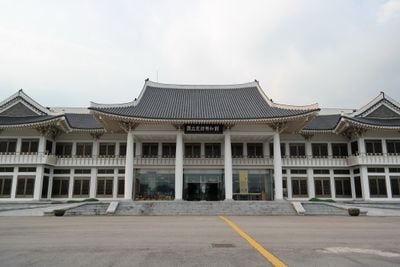
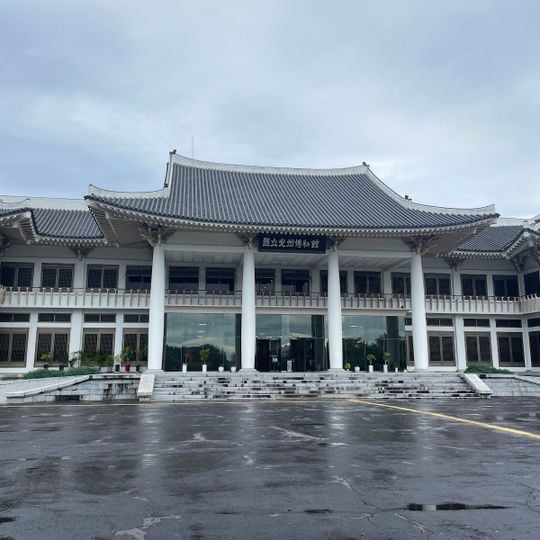
Gwangju National Museum is a wide, symmetrical building with a white facade and a dark, gently curved tiled roof, its central section flanked by lower wings. Four tall white columns rise from a grey stone staircase, with glass doors and windows behind them and a white-railed balcony above. Architect Park Chun-myeong designed the main building in 1977, expressing traditional hanok form in reinforced concrete. A black sign with gold characters reads "國立光州博物館".
The museum was founded in 1978 as an important step in preserving the cultural treasures of the Jeolla region. Its establishment marked a turning point in efforts to safeguard regional history and artwork for future generations.
The museum displays traditional Korean ceramics and ancient pottery that represent different periods of Korean society. Visitors can observe how craftsmanship and design evolved across the centuries through these objects.
The museum offers guided tours in multiple languages and provides educational programs for visitors of all ages. Plan to spend several hours exploring the exhibitions and consider joining a specialized tour to learn more about specific collections.
The museum not only displays objects but also conducts ongoing archaeological excavations throughout the Jeolla region. These continuous research efforts allow new discoveries to be added to the collection and deepen our understanding of regional history.
The community of curious travelers
AroundUs brings together thousands of curated places, local tips, and hidden gems, enriched daily by 93,471 contributors worldwide.