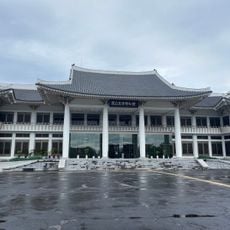
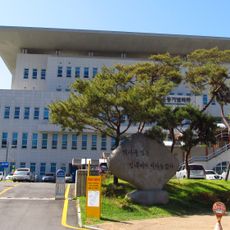
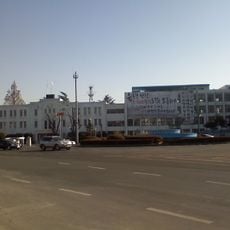
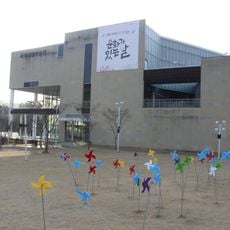
Gwangju Folk Museum, Folk museum in Gwangju, South Korea.
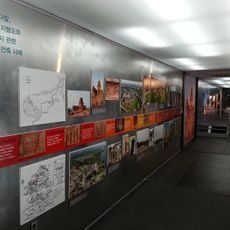
Gwangju Folk Museum opened in 1987 in Yongbong-dong, Buk-gu, with its first-floor material culture hall; the second-floor spiritual culture hall followed on 1 May 1988, funded entirely by the city without central government money. The ground floor covers food, clothing, housing, livelihoods and folk crafts of the Gwangju and Jeonnam region, where houses were built in an L shape with ondol floors and wooden verandas. The upper floor holds donated relics, seasonal customs and the city's 100 years, including General Jeong Ji's armour (Treasure No. 336).
The museum was founded to preserve the way of life of earlier generations in Gwangju before this knowledge disappeared. It documents agricultural and domestic practices that were maintained in this region over many centuries.
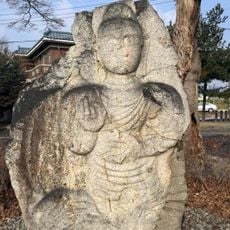
The collections display handcrafts and art forms passed down through generations in this region. You can see how people here once worked and transmitted their skills across families.
Mornings are best for visiting when the museum is less crowded and you can view everything comfortably. The outdoor areas with traditional houses are worth spending time in during good weather, so plan more time indoors if rain is expected.
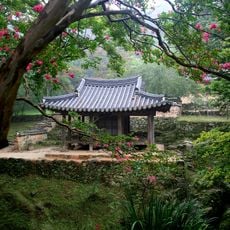
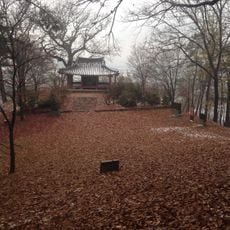
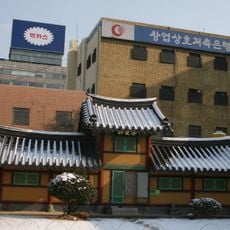
The reconstructed traditional houses outdoors show different architectural styles that varied by time and purpose. Walking inside them reveals how cramped the spaces were and how people lived with few furnishings and possessions.
The community of curious travelers
AroundUs brings together thousands of curated places, local tips, and hidden gems, enriched daily by 95,095 contributors worldwide.