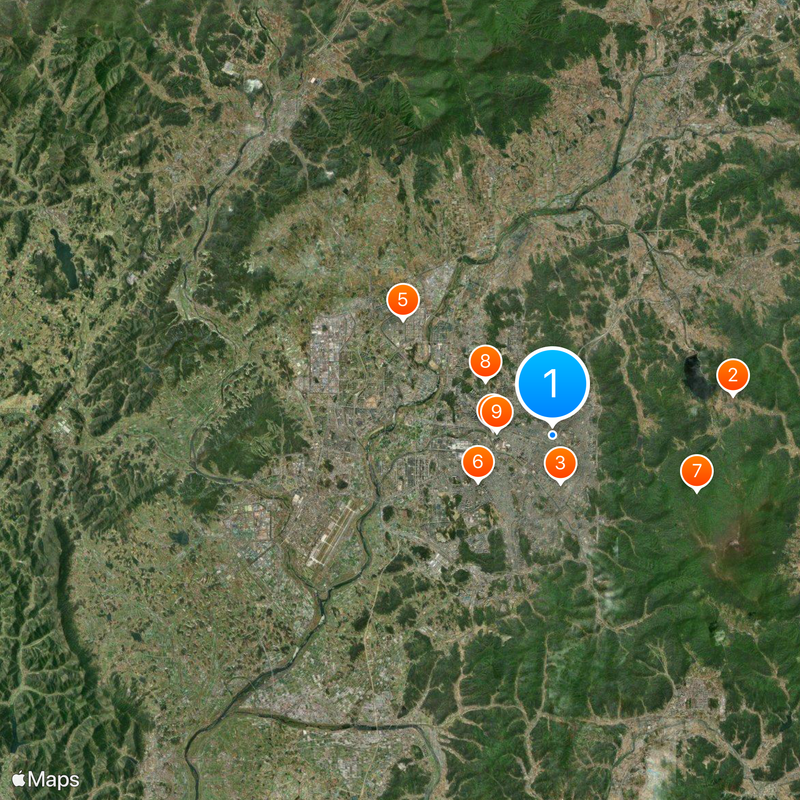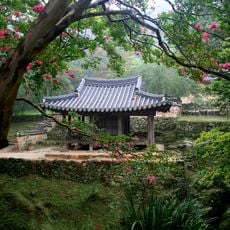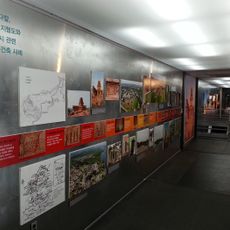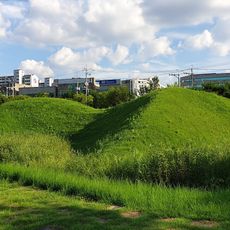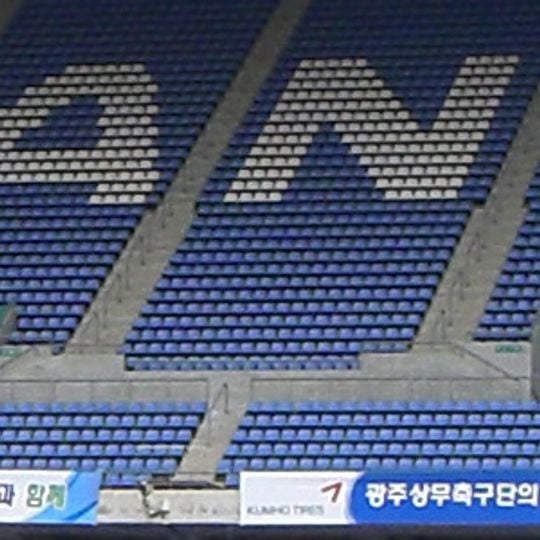
Gwangju, Metropolitan city in southwestern South Korea.
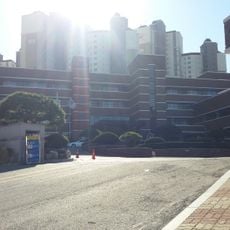
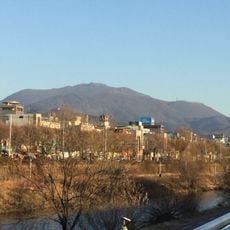
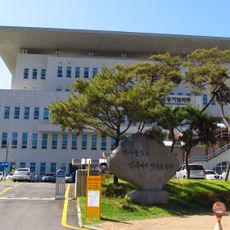
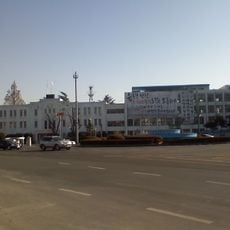
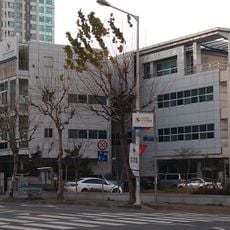
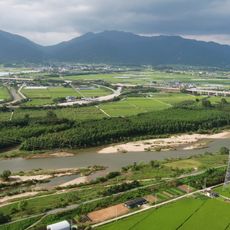
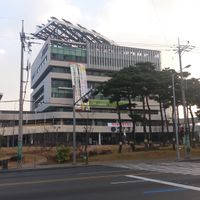
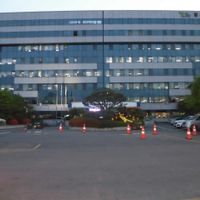
Gwangju is a large city in southwestern South Korea, spread across five districts that mix residential blocks, office towers, and shopping areas. The river runs through the center, flanked by parks and tree-lined paths that separate the commercial core from the quieter neighborhoods on the slopes of Mount Mudeung.
The settlement began as a regional trading post during the Three Kingdoms era and grew after the 1914 railway linked it to Seoul. Industrial development accelerated in the 1960s and 1970s, reshaping the layout and economy of the area.
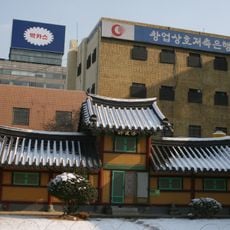
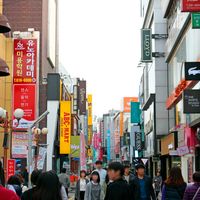
Families often gather at the neighborhood markets near Geumnam Avenue, where vendors sell fresh kimchi and steamed rice wrapped in lotus leaves. The older districts still have low-rise wooden shophouses with awnings, where locals sip tea and watch the foot traffic on warm afternoons.
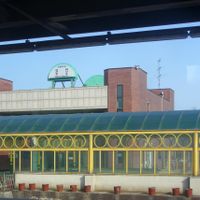
The city has two high-speed rail stations and a subway line that runs through several central districts, while buses cover most neighborhoods. An airport on the western edge offers domestic routes and a few connections beyond the peninsula.
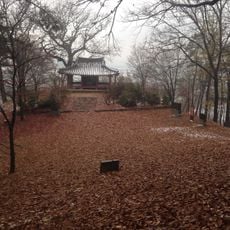
The May 18 National Cemetery honors the days in 1980 when residents took control of the city during an uprising against military rule. The site includes rows of graves, memorial stones, and a small museum with photographs and accounts from those days.
The community of curious travelers
AroundUs brings together thousands of curated places, local tips, and hidden gems, enriched daily by 90,834 contributors worldwide.