Songgwangsa, Buddhist temple in Songgwang-myeon, South Korea
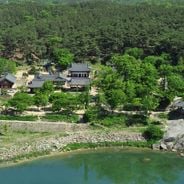
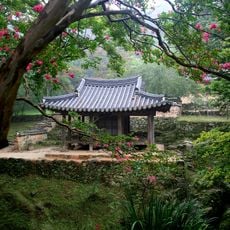
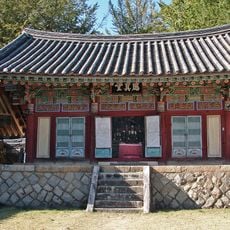
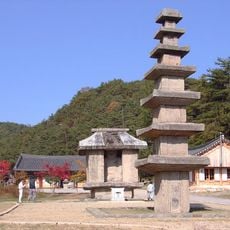
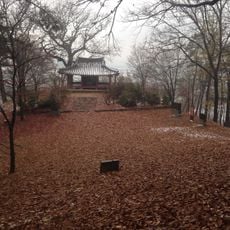
Songgwangsa is a Buddhist temple set in South Korea's mountains with multiple building complexes, intricate wooden structures, and traditional Korean architecture spread throughout a forested setting. The grounds link various halls and structures into a cohesive ensemble of stone, wood, and craftsmanship.
Founded in 867 as Gilsangsa by the monk Hyerin, the temple was abandoned for over fifty years before Seon master Jinul reestablished it in 1190. King Huijong of Goryeo renamed it Songgwangsa and the mountain Jogyesan. From Jinul's time until the early Joseon period, it produced 16 national preceptors over about 180 years.
The temple functions as an active center of Korean Buddhism where monks conduct daily practice and visitors can observe monastic life firsthand. The community maintains continuous traditions that shape the rhythm and routines of this place.
The site offers meditation programs, Buddhist ceremonies, and guided tours through the grounds where visitors should allow time for exploration. The mountainous setting requires good footwear and caution on uneven paths and stairs.
The temple's name is explained by a wordplay: song (松) breaks down as eighteen (十八) plus public (公), while gwang (廣) means spreading — eighteen monks spreading the Buddha's teaching. A second legend says Jinul released a wooden kite on Mount Mohu and where it landed, at Chirakdae behind the National Masters' Hall, he set the temple site.
The community of curious travelers
AroundUs brings together thousands of curated places, local tips, and hidden gems, enriched daily by 94,249 contributors worldwide.