See the monuments around you in AROpen chests in the app
Around Us is built for your phone — point your camera at the streets and discover the monuments and places around you in augmented reality.Around Us is built for your phone — chests unlock when you walk, explore and capture nearby places.
Places to visit in South Korea beyond tourist spots
South Korea extends far beyond well-known travel destinations, offering places that reveal the country's heritage and natural character. From ancient temples like Haeinsa to striking natural formations including cliff faces, volcanic caves, and river landscapes, there are countless places to explore. The Upo Marsh in Changnyeong ranks among Asia's most significant wetland ecosystems, while the green tea fields of Daehan Dawon near Boseong show a quieter, rural side of the country.
The country's gardens, such as Gwanghallu and Soswaewon, were developed over centuries and reflect traditional design principles. Old fortresses like Haemieupseong and historical sites such as the dolmen tombs of Gochang speak to past eras. Coastal roads, like the one on Ulleung Island or the cliff path on Jeju Island, offer striking views of the sea and surrounding land.
Buddhist temples are scattered throughout the country, from Woljeongsa in Gangwon Province to Songgwangsa in Suncheon. Caves like Manjanggul and Gosu reveal geological history, while smaller temples and hermitages such as Hyangiram in Yeosu sit in quiet spots. These places invite visitors to encounter authentic Korea beyond the cities.
Places to visit in South Korea beyond tourist spots
South Korea extends far beyond well-known travel destinations, offering places that reveal the country's heritage and natural character. From ancient temples like Haeinsa to striking natural formations including cliff faces, volcanic caves, and river landscapes, there are countless places to explore. The Upo Marsh in Changnyeong ranks among Asia's most significant wetland ecosystems, while the green tea fields of Daehan Dawon near Boseong show a quieter, rural side of the country.
The country's gardens, such as Gwanghallu and Soswaewon, were developed over centuries and reflect traditional design principles. Old fortresses like Haemieupseong and historical sites such as the dolmen tombs of Gochang speak to past eras. Coastal roads, like the one on Ulleung Island or the cliff path on Jeju Island, offer striking views of the sea and surrounding land.
Buddhist temples are scattered throughout the country, from Woljeongsa in Gangwon Province to Songgwangsa in Suncheon. Caves like Manjanggul and Gosu reveal geological history, while smaller temples and hermitages such as Hyangiram in Yeosu sit in quiet spots. These places invite visitors to encounter authentic Korea beyond the cities.
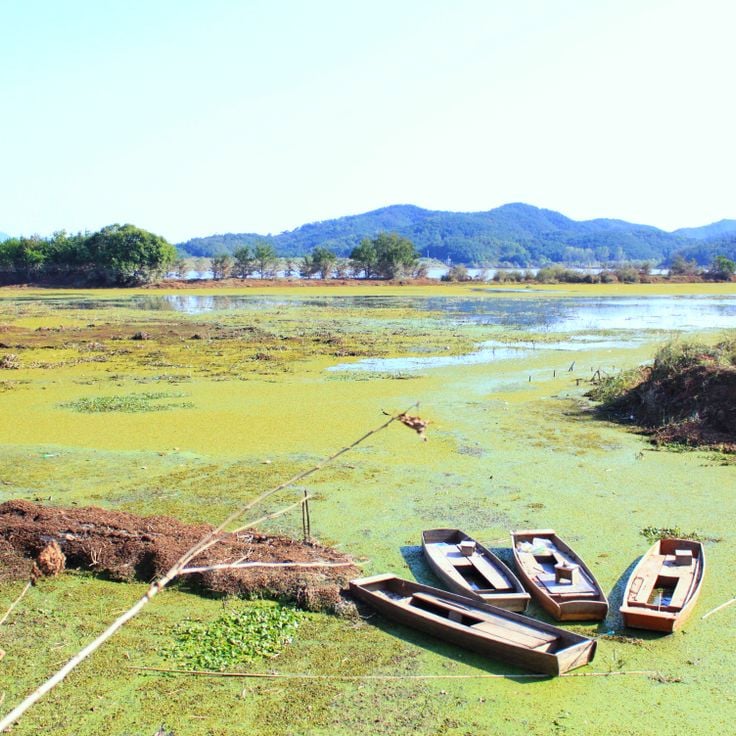
This wetland in Changnyeong County is a natural site where rice fields and water channels create a habitat for numerous plant species and migratory birds. The Upo Marsh plays an important ecological role in the region, offering visitors a chance to see how water and agriculture shape the landscape. Walking through this area reveals the connection between farming practices and the protection of wildlife that passes through seasonally.
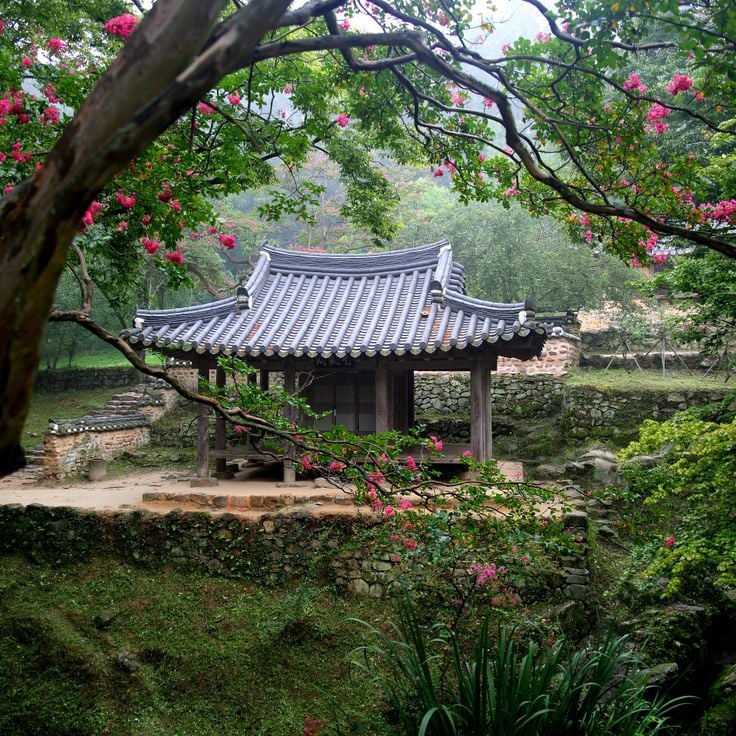
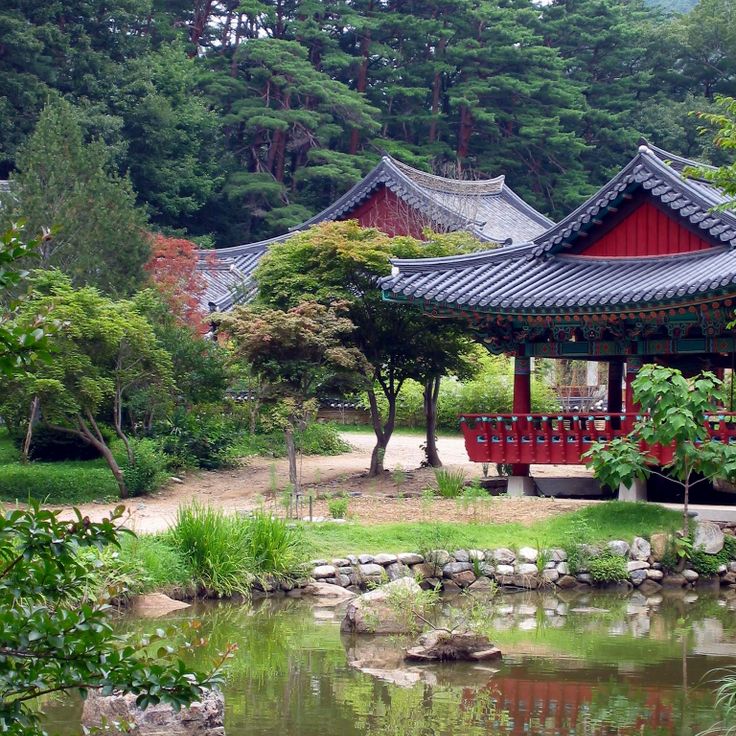
This garden in Namwon dates to 1419 and contains a pavilion, an artificial pond, and traditional Korean wooden structures. Maple and pine trees surround the space, creating a natural setting that reflects classical Korean garden design. Gwanghallu Garden exemplifies the architectural and horticultural traditions that form part of South Korea's cultural heritage beyond the most visited destinations.
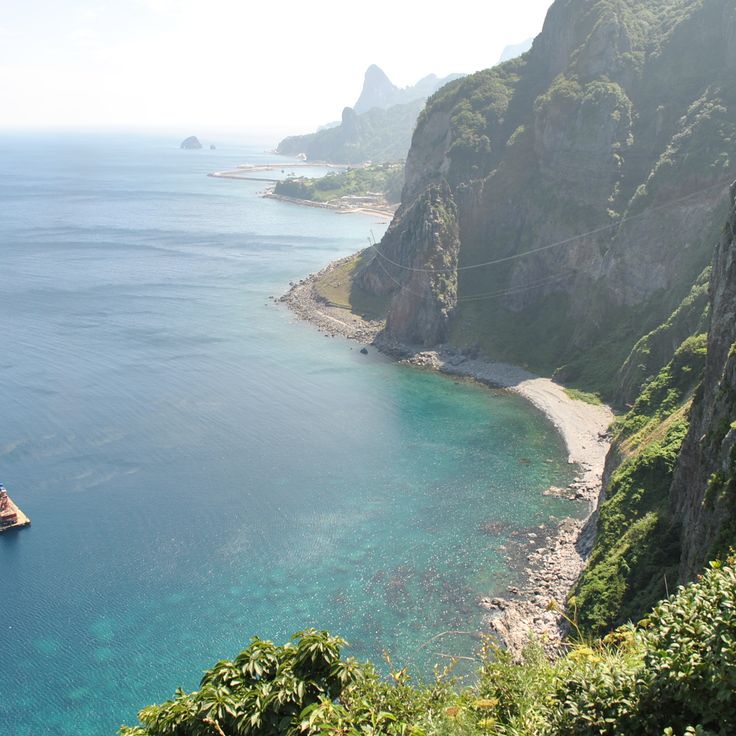
The Ulleung Coast Road circles a volcanic island through one of South Korea's natural destinations. This 42-kilometer route passes by high cliffs, fishing villages, and rocky formations that rise from the sea. As you drive along the road, you see how local people live by fishing and maintaining their homes on this isolated island. The route shows the raw power of volcanic landscapes while revealing the quiet rhythm of coastal communities that have shaped their lives around the ocean.
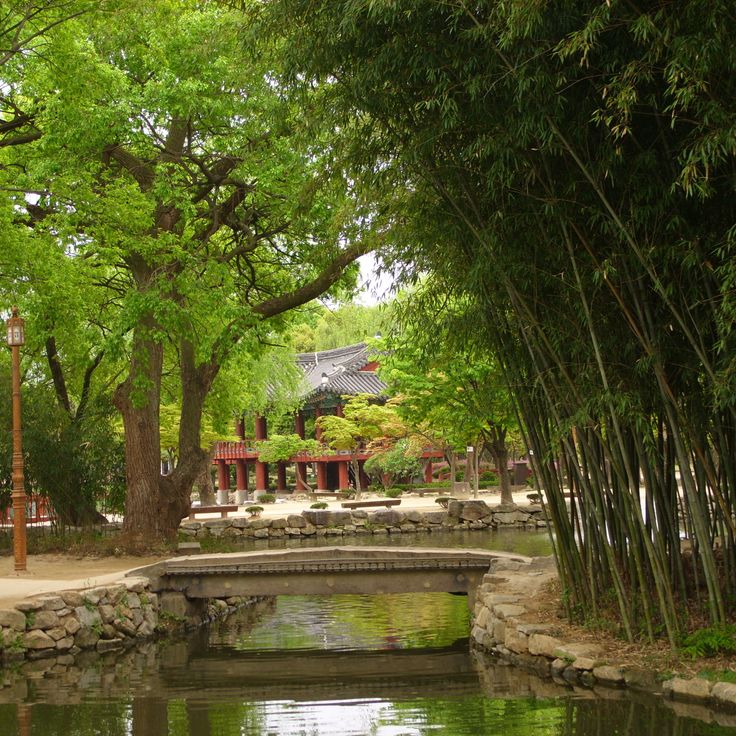
This 16th century garden represents a significant example of Korean garden design within South Korea's collection of cultural sites beyond typical tourist destinations. Soswaewon Garden integrates natural streams, stone walls, and bamboo groves according to Confucian principles. The garden demonstrates how traditional Korean architecture and nature work together, reflecting the country's heritage through its careful layout and design, much like other historical structures found across the region.
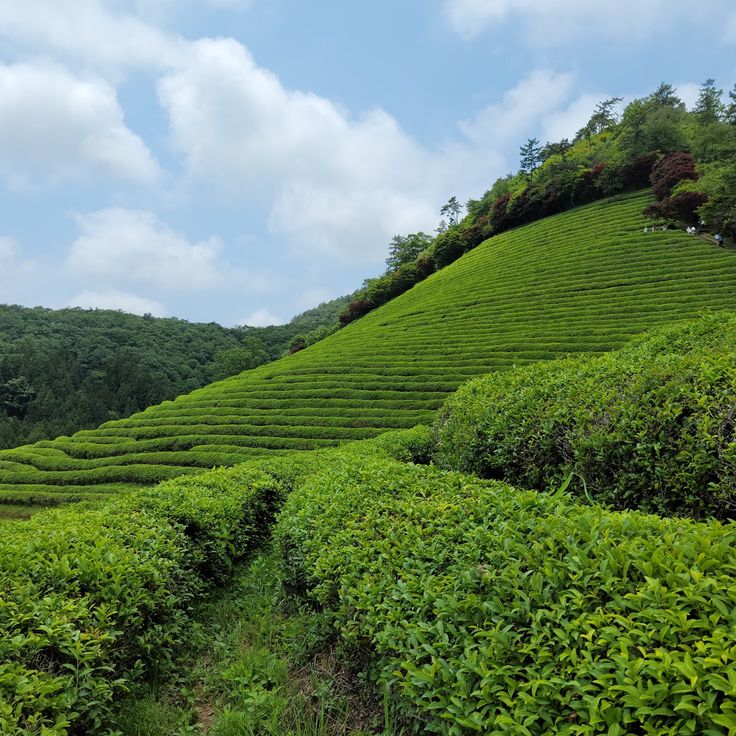
Daehan Dawon Tea Plantation is the largest green tea production site in South Korea and stands as one of the country's noteworthy natural sites beyond typical tourist destinations. The plantation spans rolling hills with orderly rows of tea plants arranged in terraces. Visitors can experience South Korea's traditional tea cultivation system and understand the rhythm of tea production here.
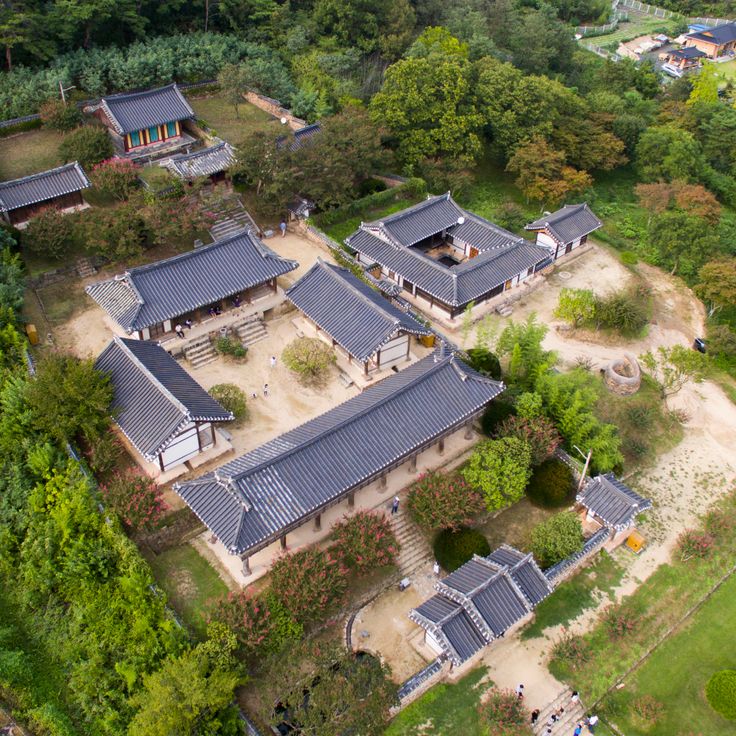
Byeongsan Seowon is a 16th century educational facility that displays traditional Korean architecture with wooden structures and curved tile roofs near the Nakdong River. It represents Korean heritage through historical buildings as part of South Korea's cultural sites that extend beyond the main tourist destinations.
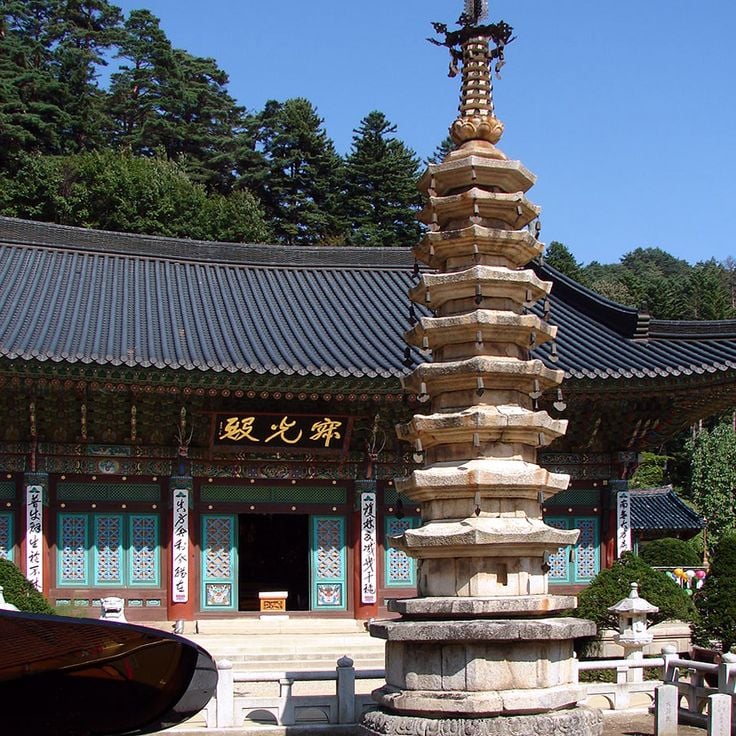
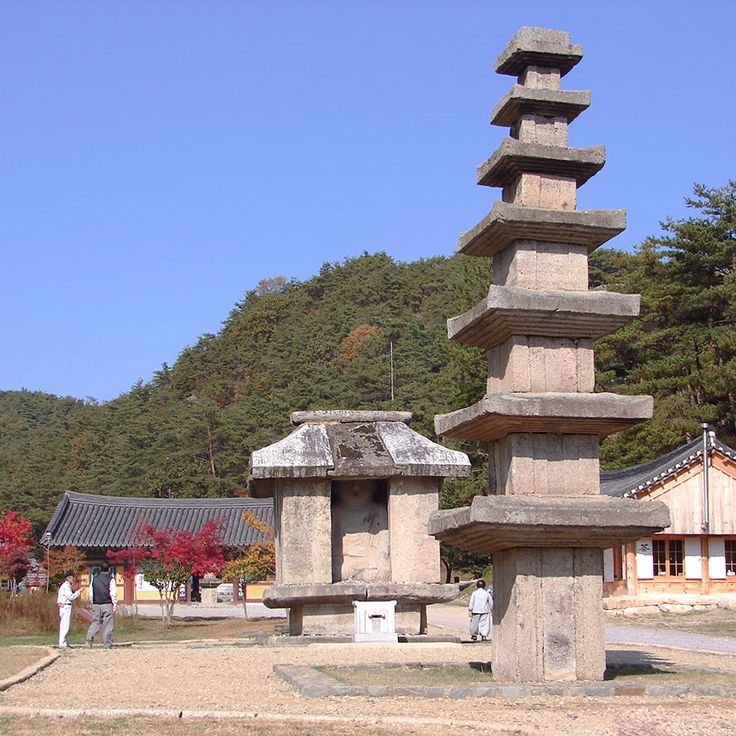
This Buddhist temple from 643 CE is located in Odaesan National Park and represents the religious heritage found throughout South Korea. Woljeongsa Temple houses a collection of bronze artifacts and features an octagonal nine-story stone pagoda. It stands as an example of Korean religious architecture and spiritual monuments that reflect the country's cultural legacy.
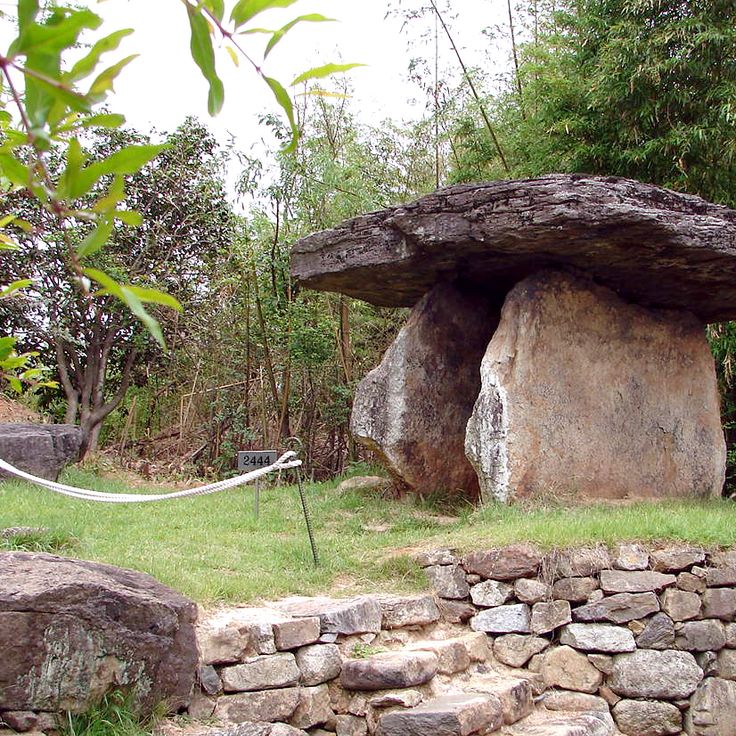
Gochang Dolmen Site is a UNESCO World Heritage location with over 447 megalithic tombs dating from the first millennium BCE. These structures represent Bronze Age burial practices and reveal how ancient Korean communities honored their dead. The site demonstrates early social organization and craftsmanship, offering visitors a direct connection to Korea's most distant past and the customs that shaped early settlement patterns across the peninsula.
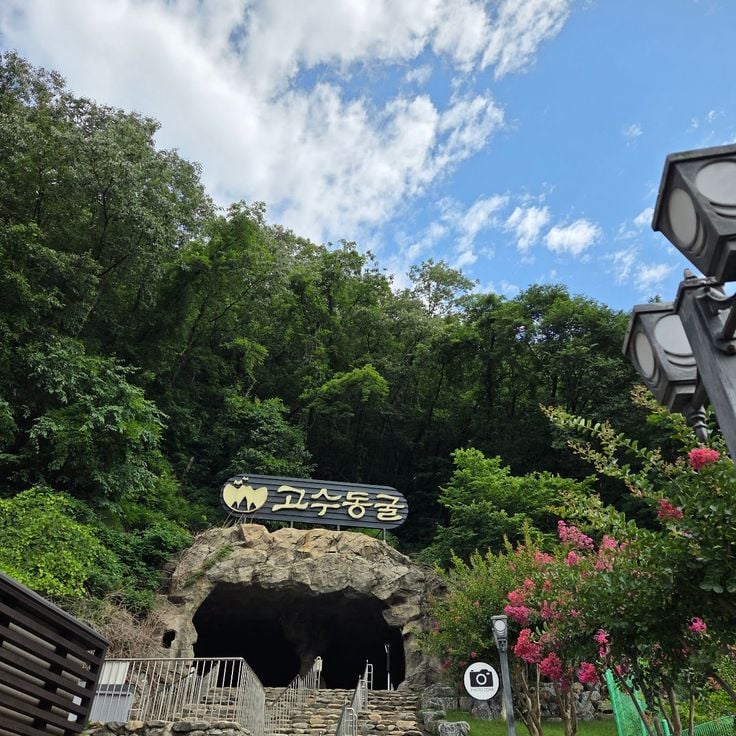
Gosu Cave is a limestone cave in Danyang County that showcases the natural diversity of South Korea beyond its famous tourist destinations. The cave extends deep underground through multiple chambers filled with mineral formations that reach from floor to ceiling. This geological site represents the country's varied landscapes alongside cultural landmarks like temples and historical fortresses.
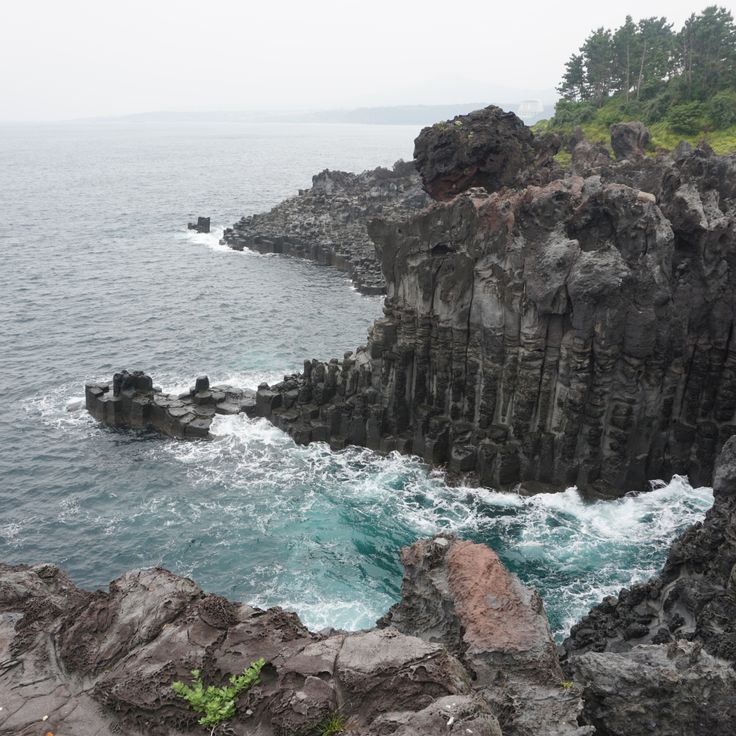
The Jusangjeolli Cliff is a striking coastal formation on Jeju Island shaped by volcanic activity from Mount Hallasan. Hexagonal basalt columns line this rocky outcrop, formed when molten lava cooled rapidly as it met seawater. This geological site shows how South Korea's natural landscape was created through volcanic processes and offers visitors a tangible connection to the island's geological past.
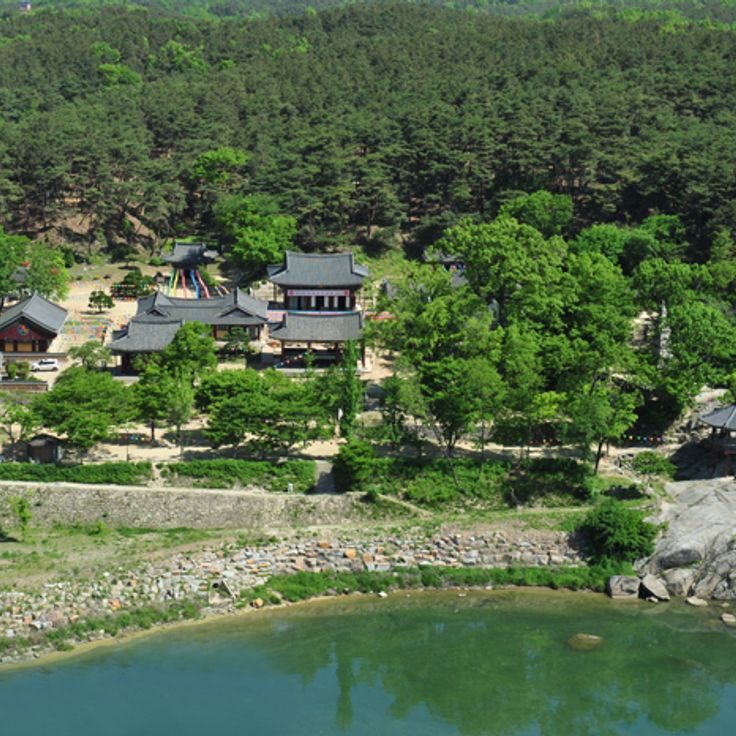
This temple was built in 644 and sits on a cliff about 150 meters (490 feet) above sea level, overlooking the islands of the South Sea. Hyangiram Hermitage is part of South Korea's religious heritage, where Buddhist monasteries reflect the country's spiritual traditions. The location combines history with natural landscape, offering views across the water and rocky terrain.
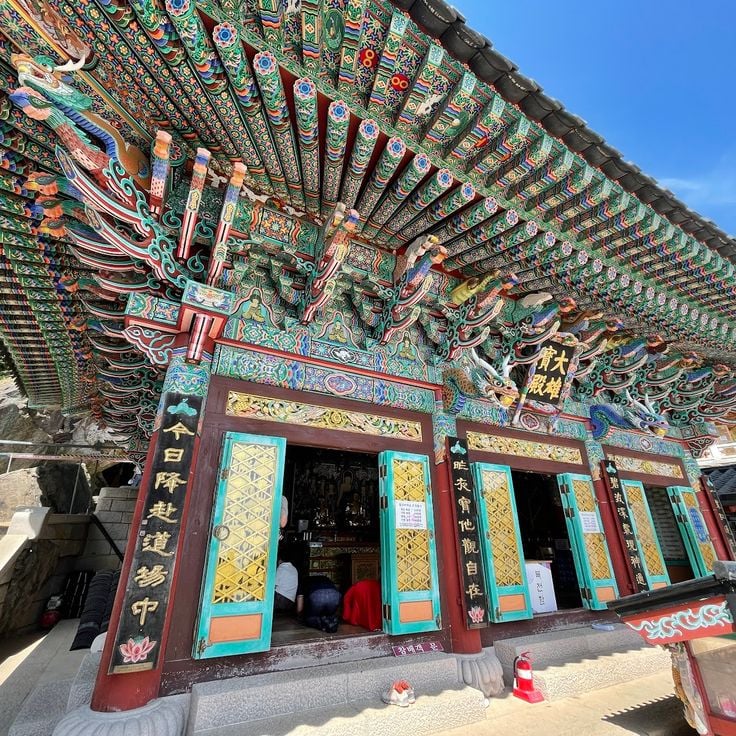
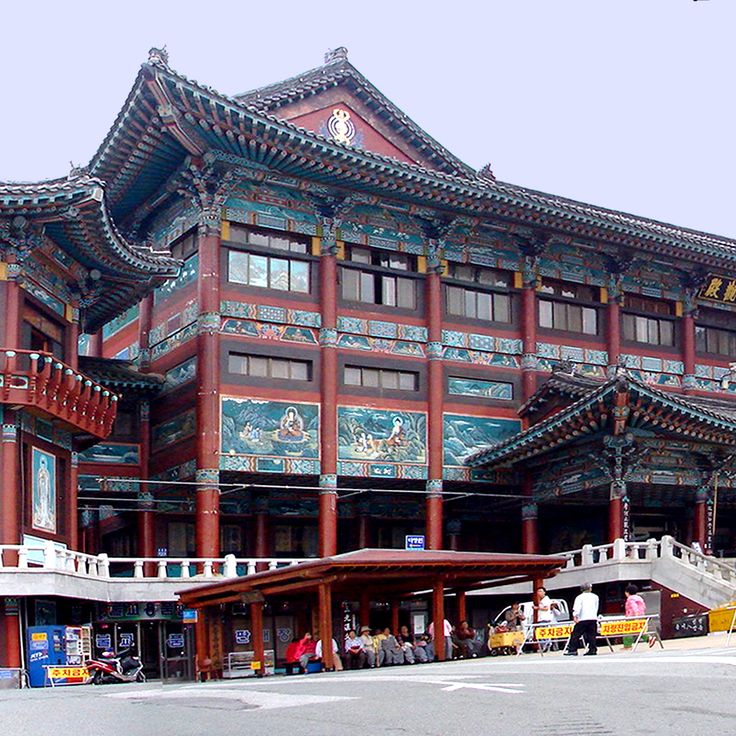
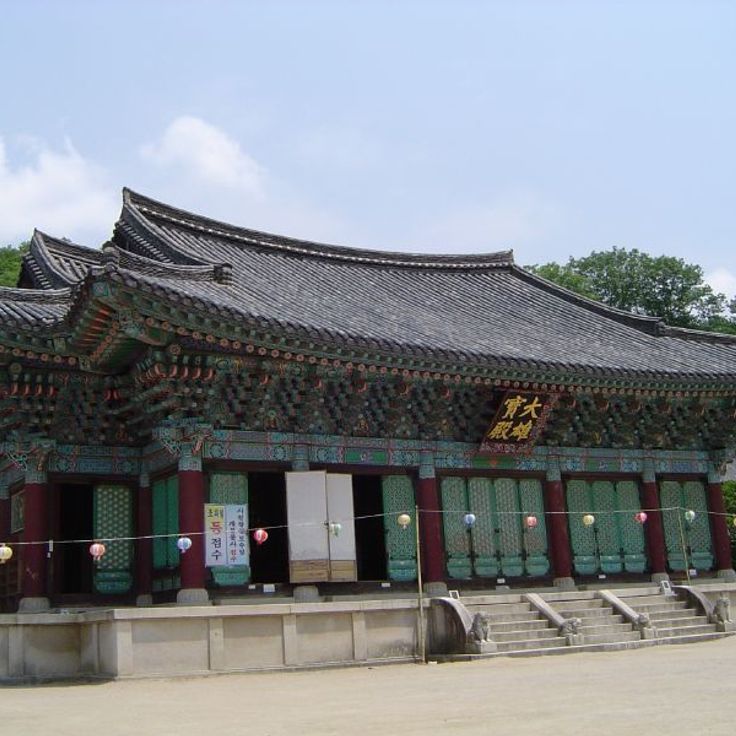
Samgwangsa Temple is a Buddhist temple in Busan that represents the spiritual and cultural heritage of South Korea. Each May, the temple holds a celebration of Buddha's birthday when thousands of paper lanterns brighten its halls and courtyards. This annual tradition draws visitors to experience one of the country's important religious monuments and observe local customs practiced at these sacred sites.
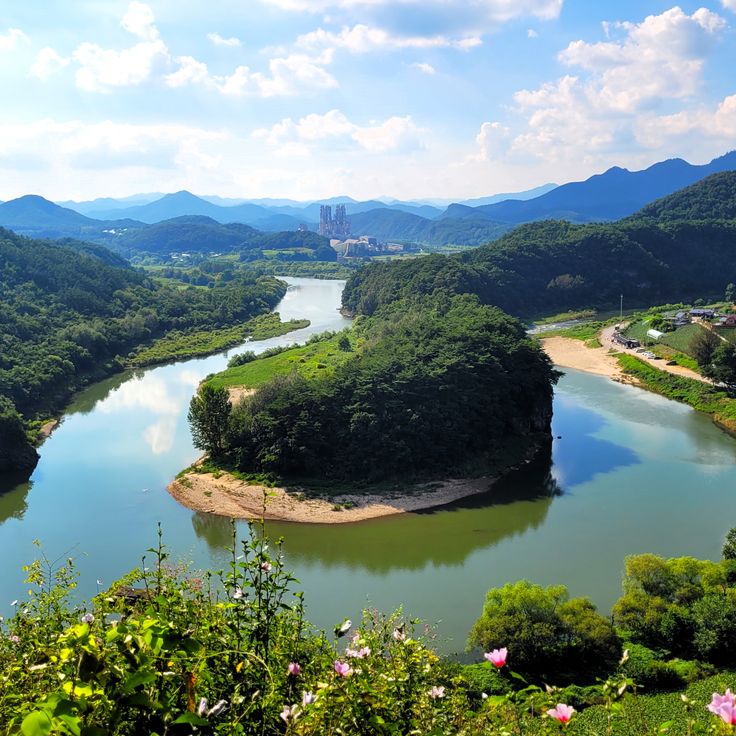
This observation area along the Donggang River in Yeongwol County features a natural curve in the riverbank that mirrors the shape of the Korean peninsula when viewed from above. The site shows how geography and nature connect in South Korea, offering visitors a chance to see natural formations that link the country's physical landscape to its identity. The river section demonstrates the kind of natural features found throughout South Korea alongside its temples, tea fields, and historical sites.
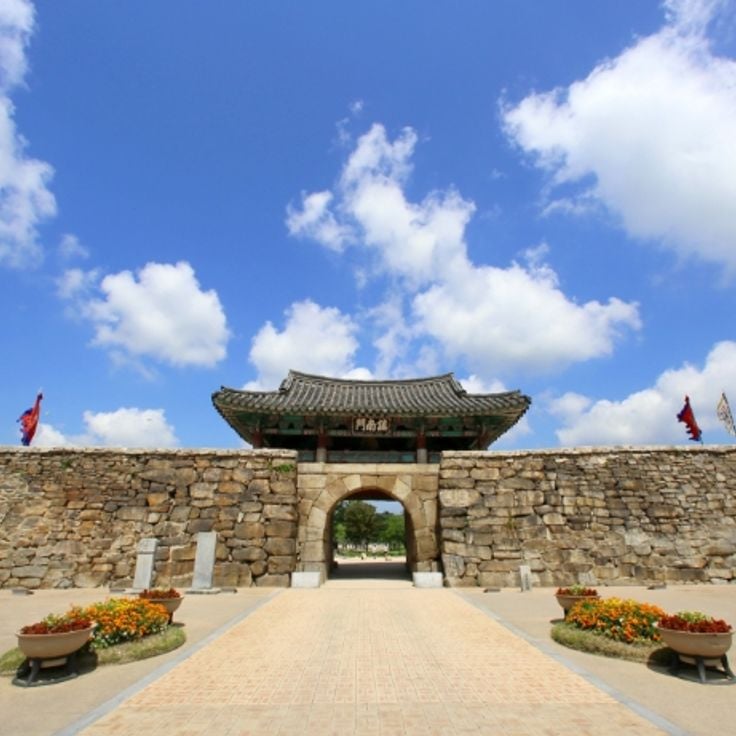
This fortress dates from 1491 and is a stone fortification built during the Joseon Dynasty. It was constructed to defend the coastal region against foreign invasions. With its high walls, Haemieupseong stands as one of the historical structures that presents Korean heritage through architecture and military defense systems. Visitors can explore the preserved walls and understand the construction methods used in this fortification.
The Geomunoreum Volcanic Caves on Jeju Island are an underground network formed by volcanic activity. These caves showcase rare geological formations that extend for several kilometers and represent important natural features of South Korea. The caves fit within the country's rich collection of cultural and natural sites, ranging from the Upo Wetland ecosystem to ancient temples like Haeinsa. Along with other Jeju volcanic formations, limestone caves, and historical structures like Haemieupseong Fortress, these caves help tell the story of Korea's natural heritage.
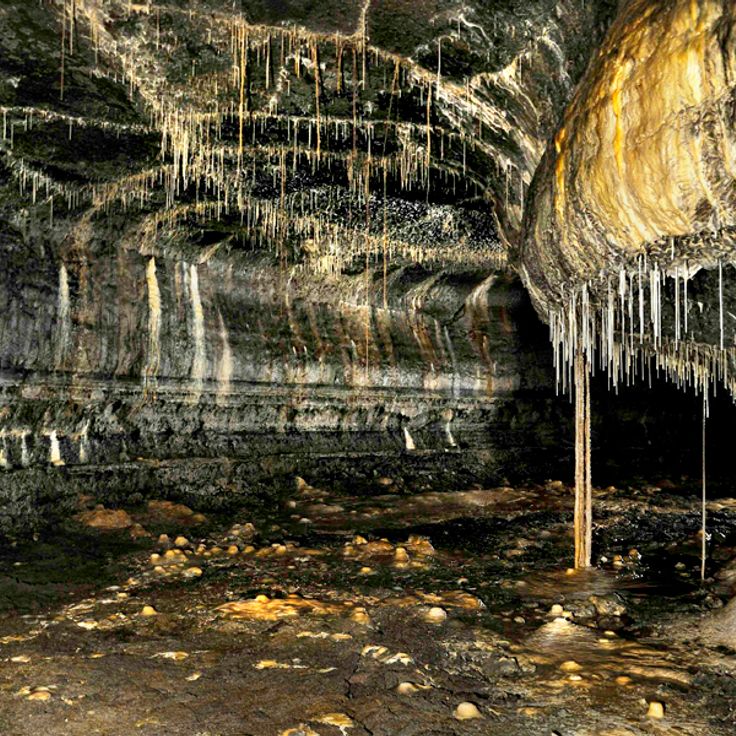
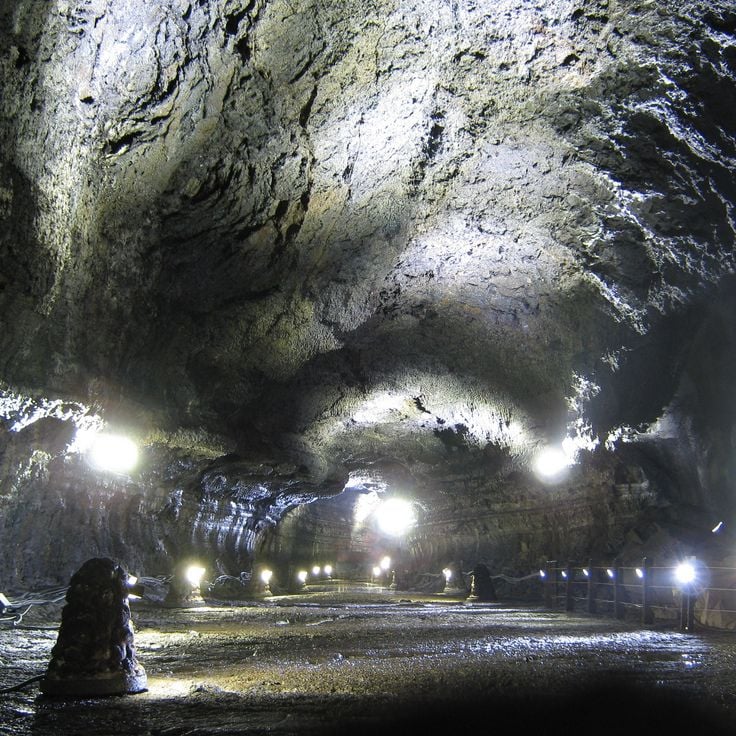
Manjanggul Cave on Jeju Island is a volcanic tunnel carved deep underground by flowing lava. Inside, you'll find striking columnar formations where lava once cooled, delicate stalactites hanging from the ceiling, and a substantial lava column standing in the cave. Walking through this cave lets you experience the volcanic landscape that shaped Jeju Island and shaped much of South Korea's natural heritage.
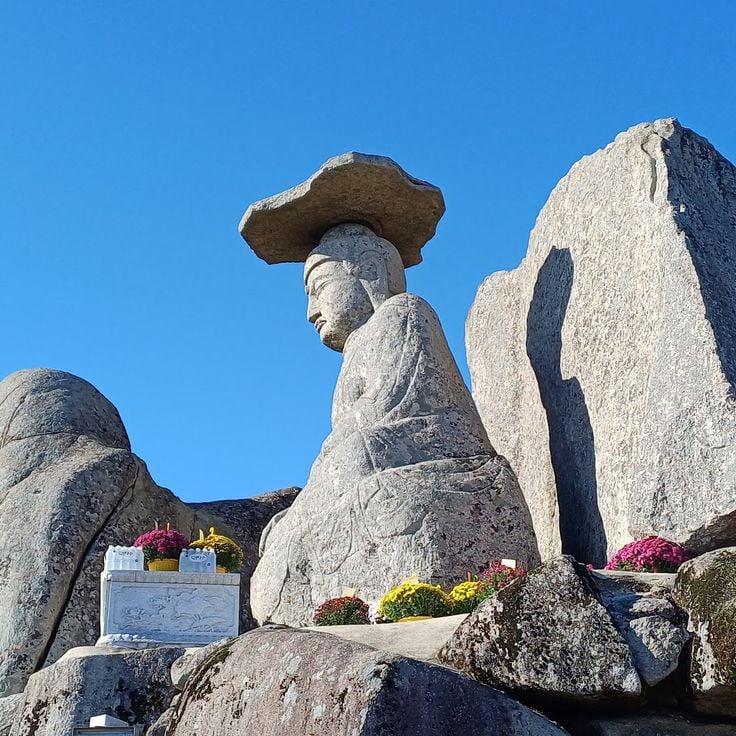
Gatbawi Buddha is a granite statue located in Daegu that offers insight into South Korea's Buddhist heritage and cultural landscape. This stone figure, carved in the 9th century, displays a distinctive flat hat and stands at an elevation of 850 meters. The statue serves as an important religious monument where visitors can experience the spiritual traditions and historical artistry that define South Korea's religious sites.
This sea tomb of King Munmu is an artificial island built off the coast of Gyeongju that holds the cremated remains of the king since 681 CE. The stone structure sits about 200 meters from shore in the East Sea and connects royal history with the natural beauty of Korea's eastern coast. The site reflects how ancient Korean rulers expressed their bond with the sea through their burial traditions.
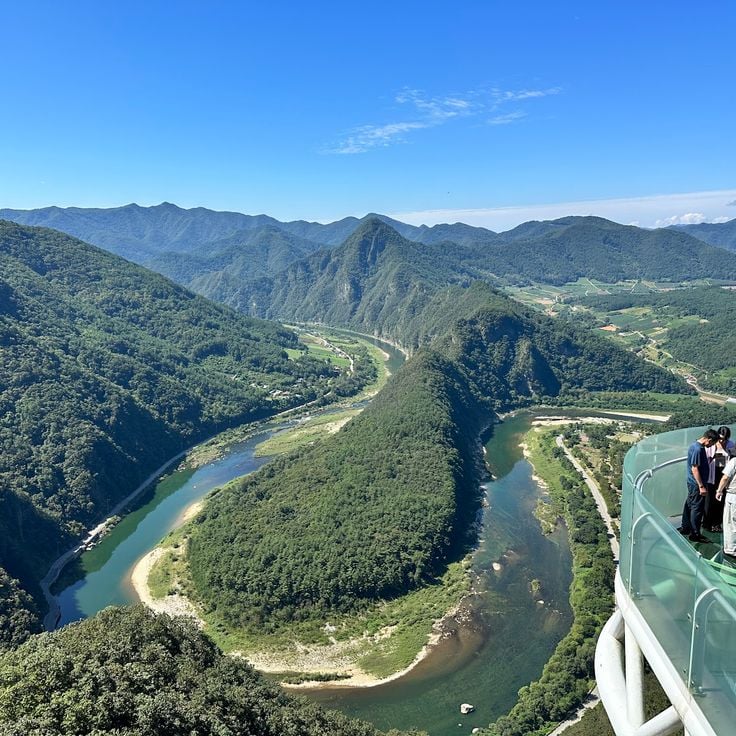
Byeongbangchi Platform is a glass observation platform that extends 11 meters from a cliff at 583 meters elevation, offering views of the Donggang River and surrounding mountains. This site is part of South Korea's natural heritage, allowing visitors to experience the country's landscape away from crowded tourist areas.
Unjusa Temple is a Buddhist temple complex featuring 91 stone pagodas and 21 Buddha statues dating from the Goryeo period. Many structures display ancient astronomical symbols and represent Korean religious heritage through their architecture and craftsmanship. This temple stands among South Korea's important cultural sites beyond the usual tourist paths.
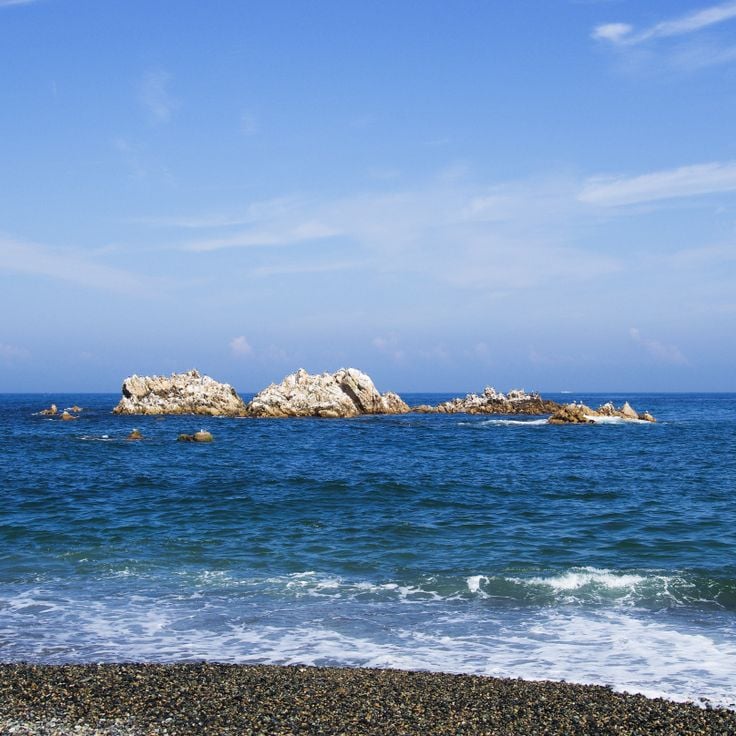
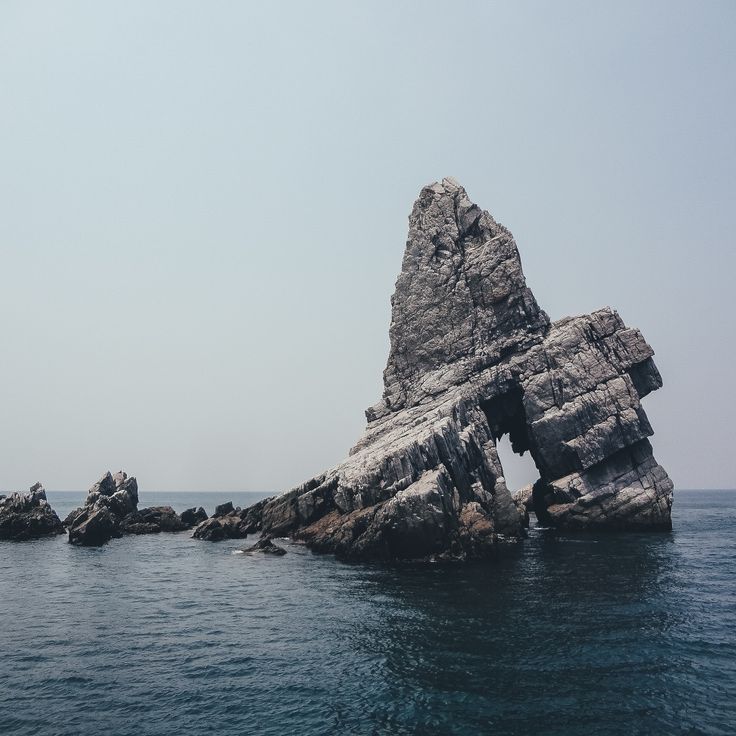
Chotdaebawi Rock is a natural stone column that rises from the sea near the shore of Samcheok. Water currents have shaped and smoothed its surface over millions of years, creating distinctive patterns in the rock. This formation represents the geological heritage that makes South Korea's coastline worth exploring beyond typical tourist destinations.
Built in 651 CE, Bulyeongsa Temple is a Buddhist complex that stands as an example of Korean religious architecture. The site contains multiple wooden structures and gardens, set among ancient fir trees that are over 500 years old. Walking through this temple offers a chance to see how Korean Buddhist practice shaped the design of sacred spaces.
Songgwangsa Temple is a mountain temple founded in 1197 that continues the tradition of training Buddhist monks in South Korea. The complex holds meditation halls, living quarters, and traditional gardens that showcase Korean heritage through religious architecture. This temple represents the spiritual practices and monastic life that have shaped Korean culture for centuries.
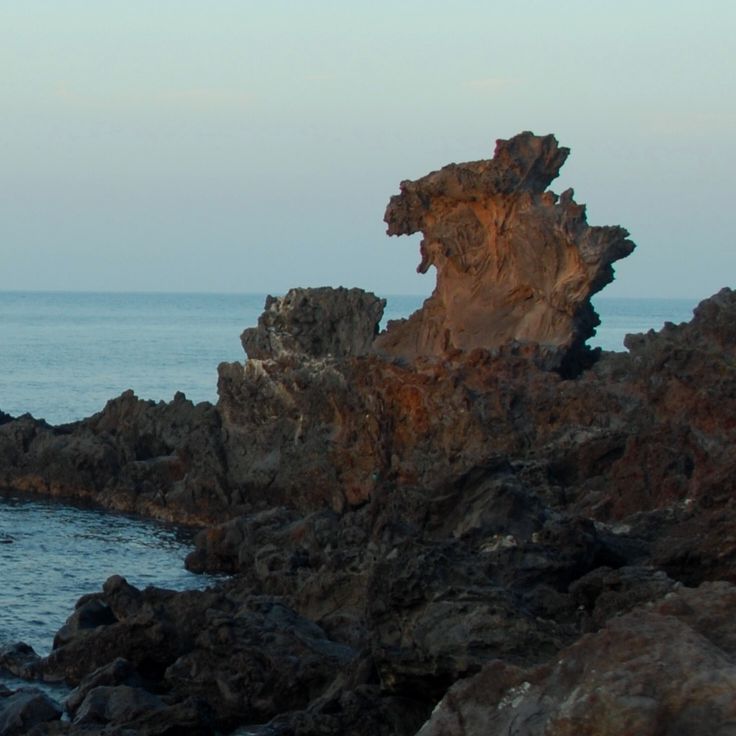
Yongmeori Coast features volcanic rock formations that resemble dragon heads. These geological structures were created by lava flows millions of years ago. The coast shows the natural history of South Korea and displays the volcanic origins of Jeju Island, making it an important stop for visitors exploring the country's geological diversity beyond typical tourist sites.
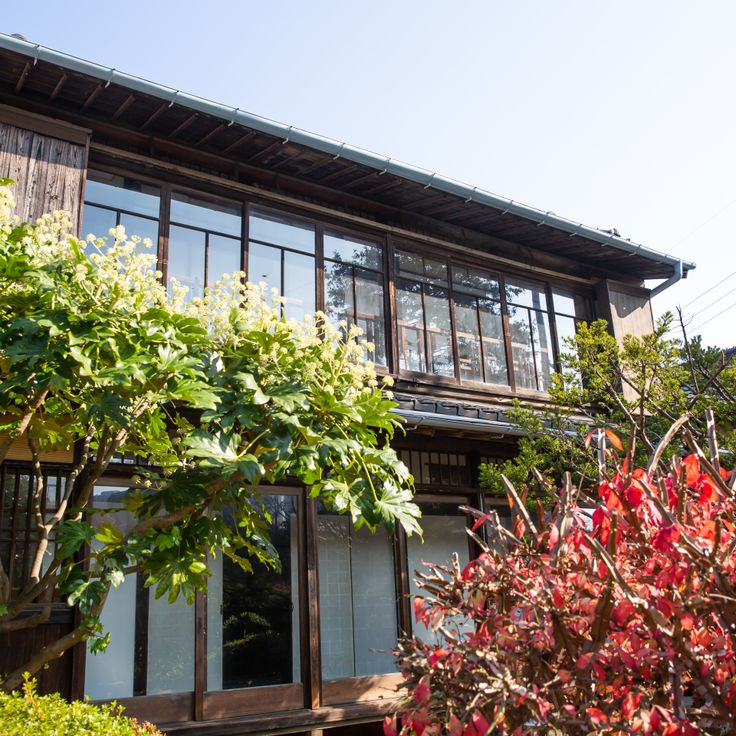
This 1930s house in Suncheon blends Japanese architectural elements with Korean domestic traditions. It displays the cultural history of the era through sliding doors and a traditional garden. The house represents the varied influences that shaped South Korea's cultural heritage, offering insight into the residential life of that period.
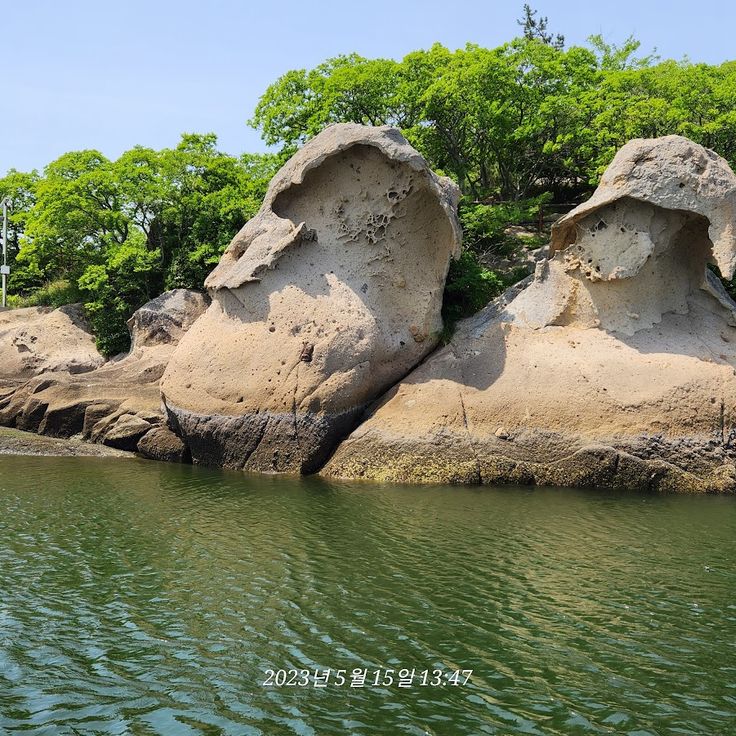
Gatbawi Rock is a distinctive natural stone formation perched on coastal cliffs in Ulsan that resembles a figure wearing a gat, the traditional Korean hat worn during the Joseon period. This rock formation demonstrates the geological character of South Korea's coastline and represents the natural monuments that complement the country's cultural and religious sites beyond the typical tourist destinations.
Digital Street in Daejeon is a commercial street where an overhead digital display system stretches 400 meters above the ground. The screens show media art and advertisements throughout the day, creating a contemporary urban experience that contrasts with South Korea's historical and natural landmarks. This street represents the modern side of the country alongside its temples, gardens, and natural sites.
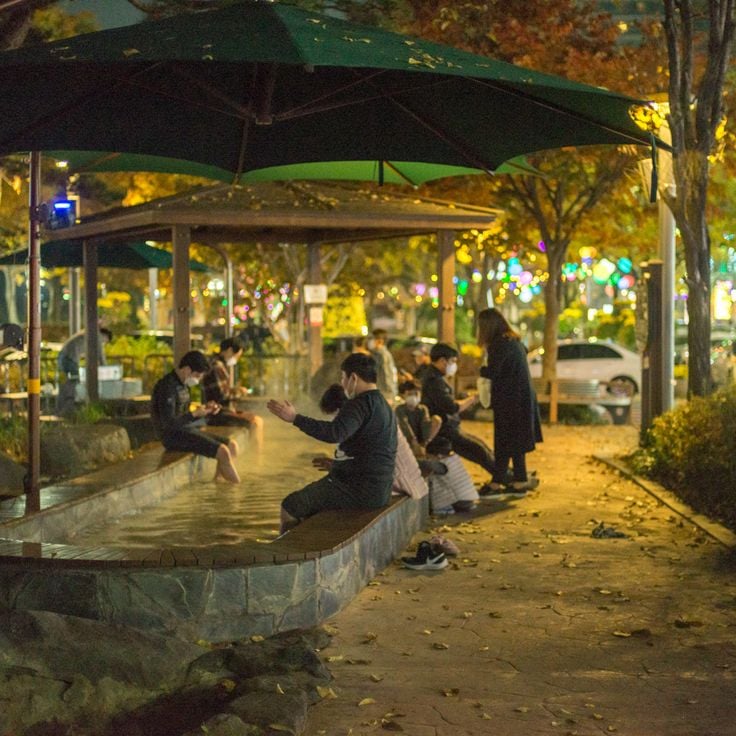
Yuseong Thermal Springs in Daejeon represents one of South Korea's natural attractions that complement the country's rich cultural offerings. These naturally heated mineral water springs reach temperatures of 43°C and include public foot baths alongside multiple indoor bathing facilities. The site demonstrates how South Korea integrates its natural resources with daily life and wellness traditions, fitting into the broader landscape of Korean heritage alongside temples, gardens, and coastal paths.
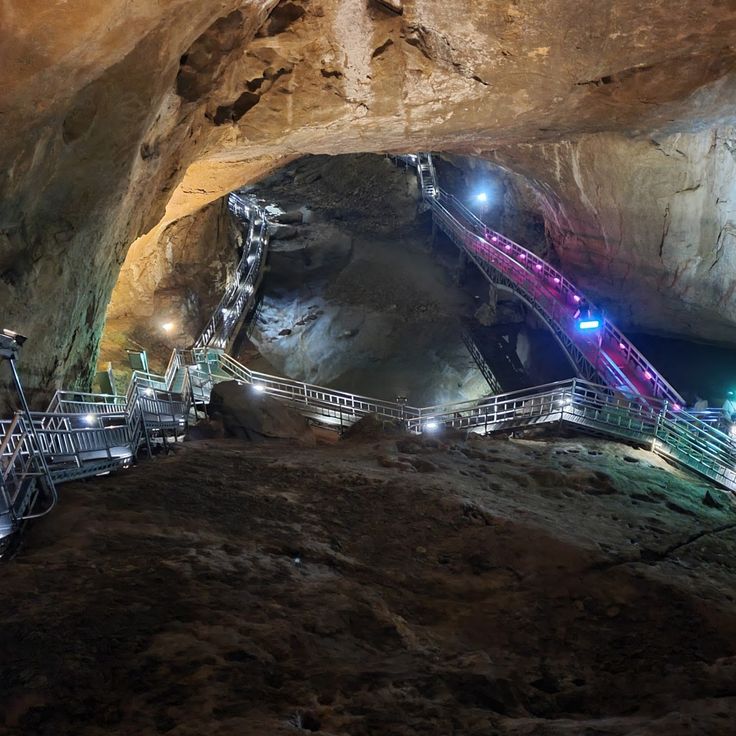
Hwanseongul Cave in Samcheok stretches deep underground through a limestone system, revealing mineral deposits, underground streams and vast chambers formed by water over countless ages. This natural formation represents the geological side of South Korea's landscape, standing alongside the country's temples, fortresses and cultural landmarks. Walking through its passages gives you a sense of the forces that shaped this region.
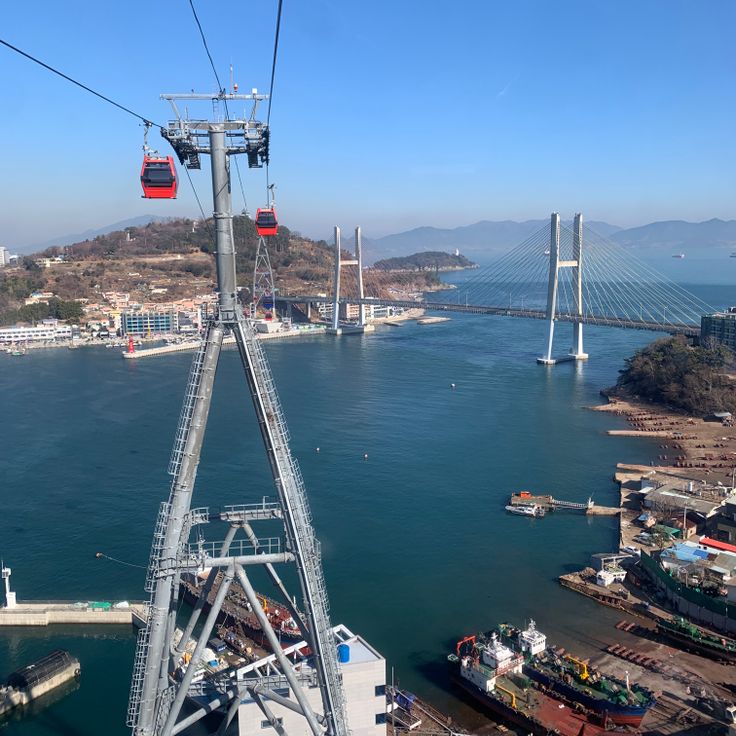
The Yeosu Maritime Cable Car is a 1.5 kilometer aerial transport system that connects the mainland to Dolsan Island while hovering 80 meters above the water. This cable car allows visitors to experience South Korea's coastal landscape from a different perspective and contributes to exploring the region's natural and cultural sites.
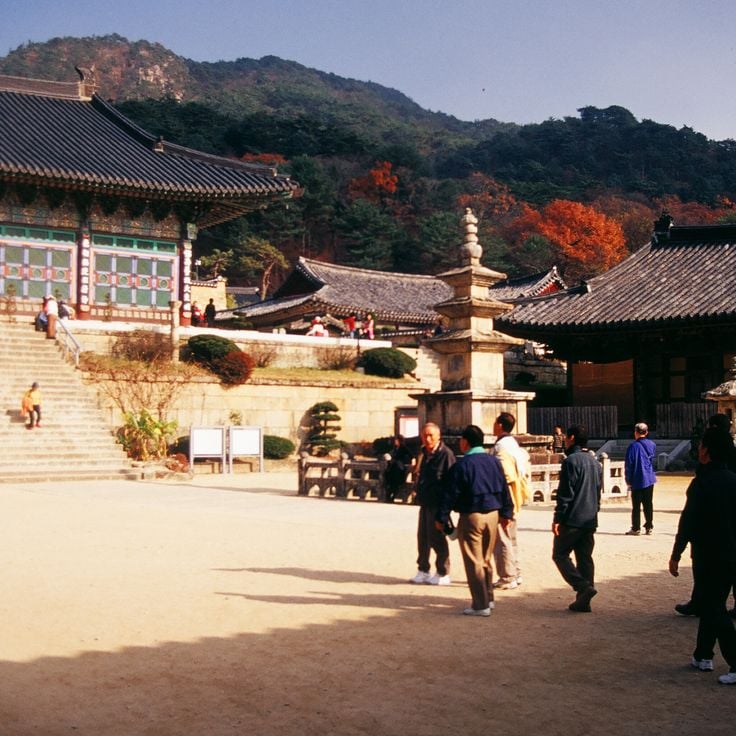
Haeinsa Temple and its Janggyeong Panjeon are central to understanding Korea's religious and cultural heritage. This wooden structure houses more than 81,000 wooden printing blocks of Buddhist scriptures carved in the 13th century. The blocks remain in excellent condition and showcase the skilled craftsmanship of that era. The temple represents Korea's deep Buddhist tradition and offers visitors insight into the country's spiritual history.
This Buddhist temple from the Goryeo period sits along the Namhan River and features traditional architecture and stone pagodas from the 9th century. As a cultural site, Silleuksa Temple fits within the collection of places that represent Korean heritage through religious monuments and historical structures.
This wetland in Changnyeong County is a natural site where rice fields and water channels create a habitat for numerous plant species and migratory birds. The Upo Marsh plays an important ecological role in the region, offering visitors a chance to see how water and agriculture shape the landscape. Walking through this area reveals the connection between farming practices and the protection of wildlife that passes through seasonally.
This garden in Namwon dates to 1419 and contains a pavilion, an artificial pond, and traditional Korean wooden structures. Maple and pine trees surround the space, creating a natural setting that reflects classical Korean garden design. Gwanghallu Garden exemplifies the architectural and horticultural traditions that form part of South Korea's cultural heritage beyond the most visited destinations.
The Ulleung Coast Road circles a volcanic island through one of South Korea's natural destinations. This 42-kilometer route passes by high cliffs, fishing villages, and rocky formations that rise from the sea. As you drive along the road, you see how local people live by fishing and maintaining their homes on this isolated island. The route shows the raw power of volcanic landscapes while revealing the quiet rhythm of coastal communities that have shaped their lives around the ocean.
This 16th century garden represents a significant example of Korean garden design within South Korea's collection of cultural sites beyond typical tourist destinations. Soswaewon Garden integrates natural streams, stone walls, and bamboo groves according to Confucian principles. The garden demonstrates how traditional Korean architecture and nature work together, reflecting the country's heritage through its careful layout and design, much like other historical structures found across the region.
Daehan Dawon Tea Plantation is the largest green tea production site in South Korea and stands as one of the country's noteworthy natural sites beyond typical tourist destinations. The plantation spans rolling hills with orderly rows of tea plants arranged in terraces. Visitors can experience South Korea's traditional tea cultivation system and understand the rhythm of tea production here.
Byeongsan Seowon is a 16th century educational facility that displays traditional Korean architecture with wooden structures and curved tile roofs near the Nakdong River. It represents Korean heritage through historical buildings as part of South Korea's cultural sites that extend beyond the main tourist destinations.
This Buddhist temple from 643 CE is located in Odaesan National Park and represents the religious heritage found throughout South Korea. Woljeongsa Temple houses a collection of bronze artifacts and features an octagonal nine-story stone pagoda. It stands as an example of Korean religious architecture and spiritual monuments that reflect the country's cultural legacy.
Gochang Dolmen Site is a UNESCO World Heritage location with over 447 megalithic tombs dating from the first millennium BCE. These structures represent Bronze Age burial practices and reveal how ancient Korean communities honored their dead. The site demonstrates early social organization and craftsmanship, offering visitors a direct connection to Korea's most distant past and the customs that shaped early settlement patterns across the peninsula.
Gosu Cave is a limestone cave in Danyang County that showcases the natural diversity of South Korea beyond its famous tourist destinations. The cave extends deep underground through multiple chambers filled with mineral formations that reach from floor to ceiling. This geological site represents the country's varied landscapes alongside cultural landmarks like temples and historical fortresses.
The Jusangjeolli Cliff is a striking coastal formation on Jeju Island shaped by volcanic activity from Mount Hallasan. Hexagonal basalt columns line this rocky outcrop, formed when molten lava cooled rapidly as it met seawater. This geological site shows how South Korea's natural landscape was created through volcanic processes and offers visitors a tangible connection to the island's geological past.
This temple was built in 644 and sits on a cliff about 150 meters (490 feet) above sea level, overlooking the islands of the South Sea. Hyangiram Hermitage is part of South Korea's religious heritage, where Buddhist monasteries reflect the country's spiritual traditions. The location combines history with natural landscape, offering views across the water and rocky terrain.
Samgwangsa Temple is a Buddhist temple in Busan that represents the spiritual and cultural heritage of South Korea. Each May, the temple holds a celebration of Buddha's birthday when thousands of paper lanterns brighten its halls and courtyards. This annual tradition draws visitors to experience one of the country's important religious monuments and observe local customs practiced at these sacred sites.
This observation area along the Donggang River in Yeongwol County features a natural curve in the riverbank that mirrors the shape of the Korean peninsula when viewed from above. The site shows how geography and nature connect in South Korea, offering visitors a chance to see natural formations that link the country's physical landscape to its identity. The river section demonstrates the kind of natural features found throughout South Korea alongside its temples, tea fields, and historical sites.
This fortress dates from 1491 and is a stone fortification built during the Joseon Dynasty. It was constructed to defend the coastal region against foreign invasions. With its high walls, Haemieupseong stands as one of the historical structures that presents Korean heritage through architecture and military defense systems. Visitors can explore the preserved walls and understand the construction methods used in this fortification.
The Geomunoreum Volcanic Caves on Jeju Island are an underground network formed by volcanic activity. These caves showcase rare geological formations that extend for several kilometers and represent important natural features of South Korea. The caves fit within the country's rich collection of cultural and natural sites, ranging from the Upo Wetland ecosystem to ancient temples like Haeinsa. Along with other Jeju volcanic formations, limestone caves, and historical structures like Haemieupseong Fortress, these caves help tell the story of Korea's natural heritage.
Manjanggul Cave on Jeju Island is a volcanic tunnel carved deep underground by flowing lava. Inside, you'll find striking columnar formations where lava once cooled, delicate stalactites hanging from the ceiling, and a substantial lava column standing in the cave. Walking through this cave lets you experience the volcanic landscape that shaped Jeju Island and shaped much of South Korea's natural heritage.
Gatbawi Buddha is a granite statue located in Daegu that offers insight into South Korea's Buddhist heritage and cultural landscape. This stone figure, carved in the 9th century, displays a distinctive flat hat and stands at an elevation of 850 meters. The statue serves as an important religious monument where visitors can experience the spiritual traditions and historical artistry that define South Korea's religious sites.
This sea tomb of King Munmu is an artificial island built off the coast of Gyeongju that holds the cremated remains of the king since 681 CE. The stone structure sits about 200 meters from shore in the East Sea and connects royal history with the natural beauty of Korea's eastern coast. The site reflects how ancient Korean rulers expressed their bond with the sea through their burial traditions.
Byeongbangchi Platform is a glass observation platform that extends 11 meters from a cliff at 583 meters elevation, offering views of the Donggang River and surrounding mountains. This site is part of South Korea's natural heritage, allowing visitors to experience the country's landscape away from crowded tourist areas.
Unjusa Temple is a Buddhist temple complex featuring 91 stone pagodas and 21 Buddha statues dating from the Goryeo period. Many structures display ancient astronomical symbols and represent Korean religious heritage through their architecture and craftsmanship. This temple stands among South Korea's important cultural sites beyond the usual tourist paths.
Chotdaebawi Rock is a natural stone column that rises from the sea near the shore of Samcheok. Water currents have shaped and smoothed its surface over millions of years, creating distinctive patterns in the rock. This formation represents the geological heritage that makes South Korea's coastline worth exploring beyond typical tourist destinations.
Built in 651 CE, Bulyeongsa Temple is a Buddhist complex that stands as an example of Korean religious architecture. The site contains multiple wooden structures and gardens, set among ancient fir trees that are over 500 years old. Walking through this temple offers a chance to see how Korean Buddhist practice shaped the design of sacred spaces.
Songgwangsa Temple is a mountain temple founded in 1197 that continues the tradition of training Buddhist monks in South Korea. The complex holds meditation halls, living quarters, and traditional gardens that showcase Korean heritage through religious architecture. This temple represents the spiritual practices and monastic life that have shaped Korean culture for centuries.
Yongmeori Coast features volcanic rock formations that resemble dragon heads. These geological structures were created by lava flows millions of years ago. The coast shows the natural history of South Korea and displays the volcanic origins of Jeju Island, making it an important stop for visitors exploring the country's geological diversity beyond typical tourist sites.
This 1930s house in Suncheon blends Japanese architectural elements with Korean domestic traditions. It displays the cultural history of the era through sliding doors and a traditional garden. The house represents the varied influences that shaped South Korea's cultural heritage, offering insight into the residential life of that period.
Gatbawi Rock is a distinctive natural stone formation perched on coastal cliffs in Ulsan that resembles a figure wearing a gat, the traditional Korean hat worn during the Joseon period. This rock formation demonstrates the geological character of South Korea's coastline and represents the natural monuments that complement the country's cultural and religious sites beyond the typical tourist destinations.
Digital Street in Daejeon is a commercial street where an overhead digital display system stretches 400 meters above the ground. The screens show media art and advertisements throughout the day, creating a contemporary urban experience that contrasts with South Korea's historical and natural landmarks. This street represents the modern side of the country alongside its temples, gardens, and natural sites.
Yuseong Thermal Springs in Daejeon represents one of South Korea's natural attractions that complement the country's rich cultural offerings. These naturally heated mineral water springs reach temperatures of 43°C and include public foot baths alongside multiple indoor bathing facilities. The site demonstrates how South Korea integrates its natural resources with daily life and wellness traditions, fitting into the broader landscape of Korean heritage alongside temples, gardens, and coastal paths.
Hwanseongul Cave in Samcheok stretches deep underground through a limestone system, revealing mineral deposits, underground streams and vast chambers formed by water over countless ages. This natural formation represents the geological side of South Korea's landscape, standing alongside the country's temples, fortresses and cultural landmarks. Walking through its passages gives you a sense of the forces that shaped this region.
The Yeosu Maritime Cable Car is a 1.5 kilometer aerial transport system that connects the mainland to Dolsan Island while hovering 80 meters above the water. This cable car allows visitors to experience South Korea's coastal landscape from a different perspective and contributes to exploring the region's natural and cultural sites.
Haeinsa Temple and its Janggyeong Panjeon are central to understanding Korea's religious and cultural heritage. This wooden structure houses more than 81,000 wooden printing blocks of Buddhist scriptures carved in the 13th century. The blocks remain in excellent condition and showcase the skilled craftsmanship of that era. The temple represents Korea's deep Buddhist tradition and offers visitors insight into the country's spiritual history.
This Buddhist temple from the Goryeo period sits along the Namhan River and features traditional architecture and stone pagodas from the 9th century. As a cultural site, Silleuksa Temple fits within the collection of places that represent Korean heritage through religious monuments and historical structures.
This wetland in Changnyeong County is a natural site where rice fields and water channels create a habitat for numerous plant species and migratory birds. The Upo Marsh plays an important ecological role in the region, offering visitors a chance to see how water and agriculture shape the landscape. Walking through this area reveals the connection between farming practices and the protection of wildlife that passes through seasonally.
This garden in Namwon dates to 1419 and contains a pavilion, an artificial pond, and traditional Korean wooden structures. Maple and pine trees surround the space, creating a natural setting that reflects classical Korean garden design. Gwanghallu Garden exemplifies the architectural and horticultural traditions that form part of South Korea's cultural heritage beyond the most visited destinations.
The Ulleung Coast Road circles a volcanic island through one of South Korea's natural destinations. This 42-kilometer route passes by high cliffs, fishing villages, and rocky formations that rise from the sea. As you drive along the road, you see how local people live by fishing and maintaining their homes on this isolated island. The route shows the raw power of volcanic landscapes while revealing the quiet rhythm of coastal communities that have shaped their lives around the ocean.
This 16th century garden represents a significant example of Korean garden design within South Korea's collection of cultural sites beyond typical tourist destinations. Soswaewon Garden integrates natural streams, stone walls, and bamboo groves according to Confucian principles. The garden demonstrates how traditional Korean architecture and nature work together, reflecting the country's heritage through its careful layout and design, much like other historical structures found across the region.
Daehan Dawon Tea Plantation is the largest green tea production site in South Korea and stands as one of the country's noteworthy natural sites beyond typical tourist destinations. The plantation spans rolling hills with orderly rows of tea plants arranged in terraces. Visitors can experience South Korea's traditional tea cultivation system and understand the rhythm of tea production here.
Byeongsan Seowon is a 16th century educational facility that displays traditional Korean architecture with wooden structures and curved tile roofs near the Nakdong River. It represents Korean heritage through historical buildings as part of South Korea's cultural sites that extend beyond the main tourist destinations.
This Buddhist temple from 643 CE is located in Odaesan National Park and represents the religious heritage found throughout South Korea. Woljeongsa Temple houses a collection of bronze artifacts and features an octagonal nine-story stone pagoda. It stands as an example of Korean religious architecture and spiritual monuments that reflect the country's cultural legacy.
Gochang Dolmen Site is a UNESCO World Heritage location with over 447 megalithic tombs dating from the first millennium BCE. These structures represent Bronze Age burial practices and reveal how ancient Korean communities honored their dead. The site demonstrates early social organization and craftsmanship, offering visitors a direct connection to Korea's most distant past and the customs that shaped early settlement patterns across the peninsula.
Gosu Cave is a limestone cave in Danyang County that showcases the natural diversity of South Korea beyond its famous tourist destinations. The cave extends deep underground through multiple chambers filled with mineral formations that reach from floor to ceiling. This geological site represents the country's varied landscapes alongside cultural landmarks like temples and historical fortresses.
The Jusangjeolli Cliff is a striking coastal formation on Jeju Island shaped by volcanic activity from Mount Hallasan. Hexagonal basalt columns line this rocky outcrop, formed when molten lava cooled rapidly as it met seawater. This geological site shows how South Korea's natural landscape was created through volcanic processes and offers visitors a tangible connection to the island's geological past.
This temple was built in 644 and sits on a cliff about 150 meters (490 feet) above sea level, overlooking the islands of the South Sea. Hyangiram Hermitage is part of South Korea's religious heritage, where Buddhist monasteries reflect the country's spiritual traditions. The location combines history with natural landscape, offering views across the water and rocky terrain.
Samgwangsa Temple is a Buddhist temple in Busan that represents the spiritual and cultural heritage of South Korea. Each May, the temple holds a celebration of Buddha's birthday when thousands of paper lanterns brighten its halls and courtyards. This annual tradition draws visitors to experience one of the country's important religious monuments and observe local customs practiced at these sacred sites.
This observation area along the Donggang River in Yeongwol County features a natural curve in the riverbank that mirrors the shape of the Korean peninsula when viewed from above. The site shows how geography and nature connect in South Korea, offering visitors a chance to see natural formations that link the country's physical landscape to its identity. The river section demonstrates the kind of natural features found throughout South Korea alongside its temples, tea fields, and historical sites.
This fortress dates from 1491 and is a stone fortification built during the Joseon Dynasty. It was constructed to defend the coastal region against foreign invasions. With its high walls, Haemieupseong stands as one of the historical structures that presents Korean heritage through architecture and military defense systems. Visitors can explore the preserved walls and understand the construction methods used in this fortification.
The Geomunoreum Volcanic Caves on Jeju Island are an underground network formed by volcanic activity. These caves showcase rare geological formations that extend for several kilometers and represent important natural features of South Korea. The caves fit within the country's rich collection of cultural and natural sites, ranging from the Upo Wetland ecosystem to ancient temples like Haeinsa. Along with other Jeju volcanic formations, limestone caves, and historical structures like Haemieupseong Fortress, these caves help tell the story of Korea's natural heritage.
Manjanggul Cave on Jeju Island is a volcanic tunnel carved deep underground by flowing lava. Inside, you'll find striking columnar formations where lava once cooled, delicate stalactites hanging from the ceiling, and a substantial lava column standing in the cave. Walking through this cave lets you experience the volcanic landscape that shaped Jeju Island and shaped much of South Korea's natural heritage.
Gatbawi Buddha is a granite statue located in Daegu that offers insight into South Korea's Buddhist heritage and cultural landscape. This stone figure, carved in the 9th century, displays a distinctive flat hat and stands at an elevation of 850 meters. The statue serves as an important religious monument where visitors can experience the spiritual traditions and historical artistry that define South Korea's religious sites.
This sea tomb of King Munmu is an artificial island built off the coast of Gyeongju that holds the cremated remains of the king since 681 CE. The stone structure sits about 200 meters from shore in the East Sea and connects royal history with the natural beauty of Korea's eastern coast. The site reflects how ancient Korean rulers expressed their bond with the sea through their burial traditions.
Byeongbangchi Platform is a glass observation platform that extends 11 meters from a cliff at 583 meters elevation, offering views of the Donggang River and surrounding mountains. This site is part of South Korea's natural heritage, allowing visitors to experience the country's landscape away from crowded tourist areas.
Unjusa Temple is a Buddhist temple complex featuring 91 stone pagodas and 21 Buddha statues dating from the Goryeo period. Many structures display ancient astronomical symbols and represent Korean religious heritage through their architecture and craftsmanship. This temple stands among South Korea's important cultural sites beyond the usual tourist paths.
Chotdaebawi Rock is a natural stone column that rises from the sea near the shore of Samcheok. Water currents have shaped and smoothed its surface over millions of years, creating distinctive patterns in the rock. This formation represents the geological heritage that makes South Korea's coastline worth exploring beyond typical tourist destinations.
Built in 651 CE, Bulyeongsa Temple is a Buddhist complex that stands as an example of Korean religious architecture. The site contains multiple wooden structures and gardens, set among ancient fir trees that are over 500 years old. Walking through this temple offers a chance to see how Korean Buddhist practice shaped the design of sacred spaces.
Songgwangsa Temple is a mountain temple founded in 1197 that continues the tradition of training Buddhist monks in South Korea. The complex holds meditation halls, living quarters, and traditional gardens that showcase Korean heritage through religious architecture. This temple represents the spiritual practices and monastic life that have shaped Korean culture for centuries.
Yongmeori Coast features volcanic rock formations that resemble dragon heads. These geological structures were created by lava flows millions of years ago. The coast shows the natural history of South Korea and displays the volcanic origins of Jeju Island, making it an important stop for visitors exploring the country's geological diversity beyond typical tourist sites.
This 1930s house in Suncheon blends Japanese architectural elements with Korean domestic traditions. It displays the cultural history of the era through sliding doors and a traditional garden. The house represents the varied influences that shaped South Korea's cultural heritage, offering insight into the residential life of that period.
Gatbawi Rock is a distinctive natural stone formation perched on coastal cliffs in Ulsan that resembles a figure wearing a gat, the traditional Korean hat worn during the Joseon period. This rock formation demonstrates the geological character of South Korea's coastline and represents the natural monuments that complement the country's cultural and religious sites beyond the typical tourist destinations.
Digital Street in Daejeon is a commercial street where an overhead digital display system stretches 400 meters above the ground. The screens show media art and advertisements throughout the day, creating a contemporary urban experience that contrasts with South Korea's historical and natural landmarks. This street represents the modern side of the country alongside its temples, gardens, and natural sites.
Yuseong Thermal Springs in Daejeon represents one of South Korea's natural attractions that complement the country's rich cultural offerings. These naturally heated mineral water springs reach temperatures of 43°C and include public foot baths alongside multiple indoor bathing facilities. The site demonstrates how South Korea integrates its natural resources with daily life and wellness traditions, fitting into the broader landscape of Korean heritage alongside temples, gardens, and coastal paths.
Hwanseongul Cave in Samcheok stretches deep underground through a limestone system, revealing mineral deposits, underground streams and vast chambers formed by water over countless ages. This natural formation represents the geological side of South Korea's landscape, standing alongside the country's temples, fortresses and cultural landmarks. Walking through its passages gives you a sense of the forces that shaped this region.
The Yeosu Maritime Cable Car is a 1.5 kilometer aerial transport system that connects the mainland to Dolsan Island while hovering 80 meters above the water. This cable car allows visitors to experience South Korea's coastal landscape from a different perspective and contributes to exploring the region's natural and cultural sites.
Haeinsa Temple and its Janggyeong Panjeon are central to understanding Korea's religious and cultural heritage. This wooden structure houses more than 81,000 wooden printing blocks of Buddhist scriptures carved in the 13th century. The blocks remain in excellent condition and showcase the skilled craftsmanship of that era. The temple represents Korea's deep Buddhist tradition and offers visitors insight into the country's spiritual history.
This Buddhist temple from the Goryeo period sits along the Namhan River and features traditional architecture and stone pagodas from the 9th century. As a cultural site, Silleuksa Temple fits within the collection of places that represent Korean heritage through religious monuments and historical structures.