Silleuksa, Buddhist temple in Yeoju, South Korea
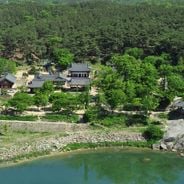
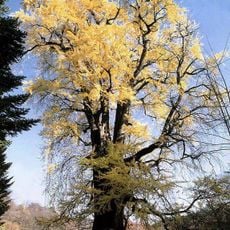
Silleuksa stands on the north bank of the Namhan River, 3 km east of Yeoju, against a low hill on Bongmisan. It is the only riverside temple in South Korea. A six-tier brick pagoda overlooks the water, a seven-tier marble pagoda with dragon, lotus and wave reliefs fills the central courtyard, and Josadong, the oldest building, holds portraits of monks Naong, Muhak and Jigong. A 600-year-old ginkgo and a 500-year-old juniper grow on the grounds.
Founded around 580 by the Silla monk Wonhyo, Silleuksa was repeatedly enlarged and rebuilt. In 1376 the Goryeo master Naong died here, and his stupa and stele were raised in 1379. In 1473, when King Sejong's tomb was moved to Yeoju, the temple became its prayer sanctuary and was renamed Boeunsa; it later reverted to Silleuksa.
The name Silleuksa comes from legends of a divine horse tamed with a halter, linked to the character 勒, "to rein in". Josadong, the oldest building, enshrines portraits of the monks Naong, Muhak and the Indian master Jigong, whose Sanskrit name was Dhyānabhadra. Naong is said to have planted the 600-year-old ginkgo on the grounds.
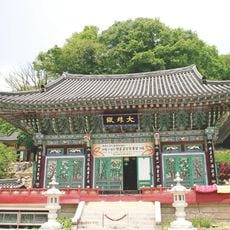
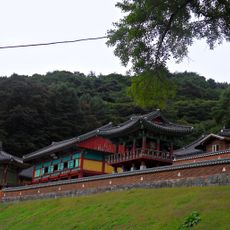
Silleuksa lies on the north bank of the Namhan River, 3 km east of Yeoju and about an hour southeast of Seoul. The grounds sit against a low hill, with the brick pagoda overlooking the river and the halls and stupas of Josadong arranged up the slope behind the main hall. Sturdy shoes help on the stone paths.
The temple's name comes from a legend: a monk tamed a wild horse with a bridle, and "勒" means to rein in a horse. The 600-year-old ginkgo on the grounds is said to have been planted by the Zen master Naong, who died at the temple in 1376.
The community of curious travelers
AroundUs brings together thousands of curated places, local tips, and hidden gems, enriched daily by 94,463 contributors worldwide.