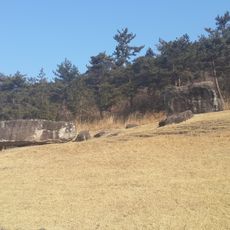
Gochang, Hwasun and Ganghwa Dolmen Sites, Megalithic burial sites in Gochang, Hwasun, and Ganghwa, South Korea
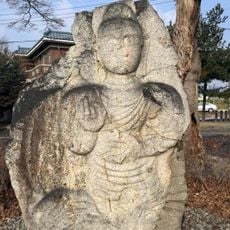
The Gochang, Hwasun and Ganghwa Dolmen Sites comprise over 1,000 dolmens in three clusters in western South Korea. Gochang has 442 dolmens, the largest and most varied group, with capstones up to 5.8 meters long; Hwasun has about 596 dolmens in a small area; Ganghwa has about 120. Two styles exist: the northern table type, with four uprights supporting a capstone, and the southern go-board type, with underground burial and short supports.
Korean dolmens were built from the seventh century BCE and the practice ended around the third century BCE. The peninsula holds over 35,000 dolmens, about 40% of the world's total, and the three UNESCO-listed sites contain more than 1,000. Excavation began only in 1965, after which the Korean government started inventory and preservation programs.
Korean dolmens are called goindol. The northern type uses four upright stones to form a box capped by a slab, while the southern type places the capstone over a low underground burial chamber. Gochang mixes both types, Hwasun has only the southern type, and Ganghwa has only the northern type.
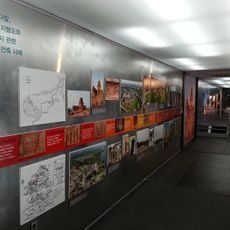
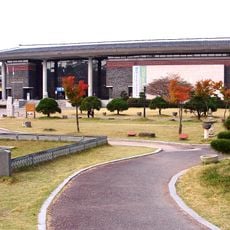
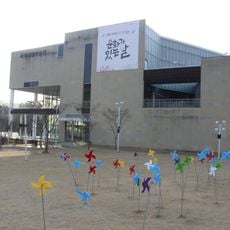
Each of the three locations offers exhibitions explaining construction methods and archaeological findings, with guided tours available in multiple languages. Plan enough time to explore the open grounds and visit the information centers at your own pace.
The largest capstone at Gochang's Jungnim-ri group measures up to 5.8 metres and may weigh as much as 225 tons. The Hwasun cluster around Hyosan-ri is the least well preserved of the three, and its dolmens were counted among thousands of stone structures in the surrounding valleys.
The community of curious travelers
AroundUs brings together thousands of curated places, local tips, and hidden gems, enriched daily by 93,465 contributors worldwide.