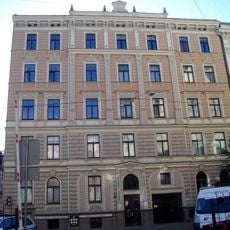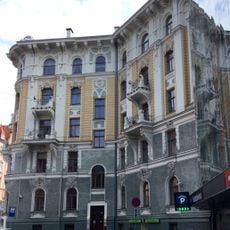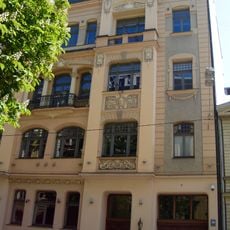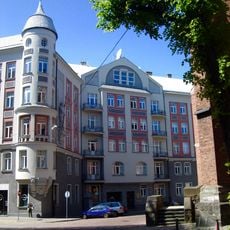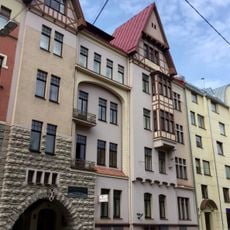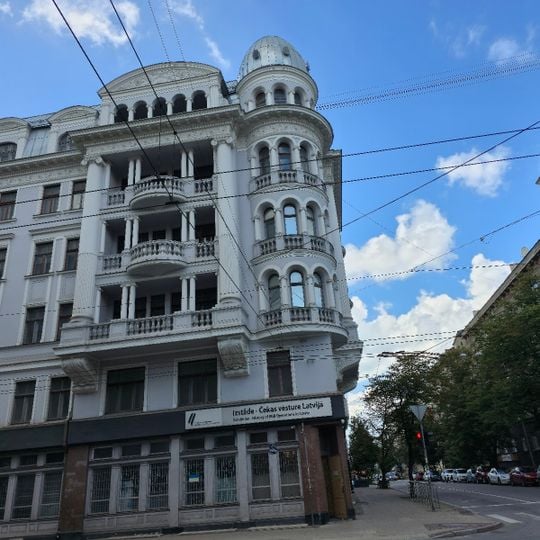
Corner House, Art Nouveau museum in central Riga, Latvia
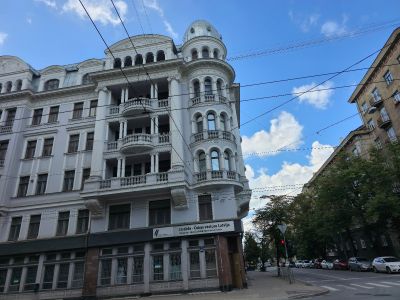
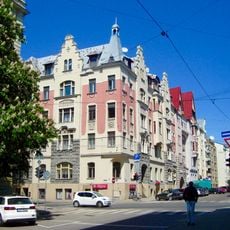
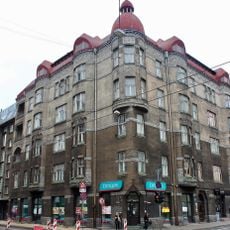
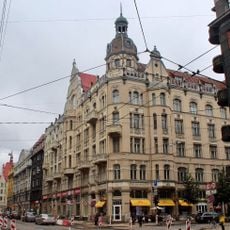
Corner House is an Art Nouveau building completed in 1912 at the intersection of Brīvības and Stabu streets in Riga. Its red brick facade, stone embellishments, and architectural detailing create a distinctive corner presence that anchors this part of the city.
The building was constructed before World War I following modern European architectural trends. After Soviet occupation in 1940, it became the headquarters for secret police operations, a role it maintained until the collapse of Soviet control in 1991.
The building housed secret police operations for decades, and today its exhibitions focus on the stories of those who were interrogated and held there. The spaces themselves convey the weight of this dark chapter through their preserved layout.
The museum is located in central Riga and accessible by public transport or on foot. Visitors should allow time for the permanent exhibitions, as access to former prison areas requires prior arrangement or a guided tour.
The building's architect, Aleksandrs Vanags, was later imprisoned and interrogated within the same walls he had designed, after the Soviets took control. This tragic connection between creator and structure remains a poignant aspect of the site's darker history.
Location: Vidzeme Suburb
Inception: 1912
Architects: Aleksandrs Vanags
Architectural style: Art Nouveau architecture
Fee: No
Address: Brīvības iela 61
Opening Hours: Monday-Sunday 10:30-17:30
Phone: +37166154276
Website: http://sturamaja.lv
GPS coordinates: 56.95817,24.12421
Latest update: December 6, 2025 17:41
Latvia offers a diverse range of sites combining medieval history and Baltic nature. The country brings together different periods and landscapes: the Old Town of Riga with its Art Nouveau buildings, the castle of Cēsis, the beaches of Jūrmala and the extensive forests of Gauja National Park. Latvian cities preserve evidence of German, Swedish and Russian rule. Beyond the capital Riga, places like Liepāja with its military port or Kuldīga with its waterfall invite exploration. The coastal region extends for several hundred kilometres along the Baltic Sea. The natural landscapes include extensive forests, wetlands and lakes. Gauja National Park protects river valleys with sandstone cliffs and historic castle ruins. Rural areas display traditional wooden architecture and agricultural structures that have shaped life in the Baltic regions for centuries.
St. Gertrude Old Church
156 m
The Rainis and Aspazija House
121 m
Īres nams
183 m
Īres nams
209 m
Īres nams
123 m
Dzīvojamā ēka
70 m
Īres nams
177 m
Dzīvojamās ēkas (2)
131 m
Īres nams
131 m
Dzīvojamo ēku komplekss
200 m
Dzīvojamā ēka
170 m
Īres nams
175 m
Dzīvojamā ēka
112 m
Rainis and Aspazija house
121 m
Īres nams
94 m
Īres nams
207 m
Īres nams
139 m
Dzīvojamā ēka
186 m
Īres nams ar veikalu
80 m
Krīgera pirts un dziedinātava, tagad dzīvojamā ēka
224 m
Īres nams
145 m
Īres nams
158 m
Dzīvojamo ēku komplekss
49 m
Īres nams
99 m
Īres nams
142 m
Dzīvojamā ēka
52 m
Dzīvojamā ēka, vēlāk administratīvā ēka
191 m
Īres nams
141 mReviews
Visited this place? Tap the stars to rate it and share your experience / photos with the community! Try now! You can cancel it anytime.
Discover hidden gems everywhere you go!
From secret cafés to breathtaking viewpoints, skip the crowded tourist spots and find places that match your style. Our app makes it easy with voice search, smart filtering, route optimization, and insider tips from travelers worldwide. Download now for the complete mobile experience.
A unique approach to discovering new places❞
— Le Figaro
All the places worth exploring❞
— France Info
A tailor-made excursion in just a few clicks❞
— 20 Minutes