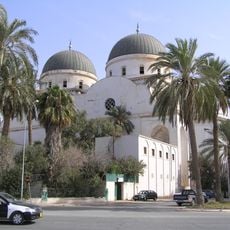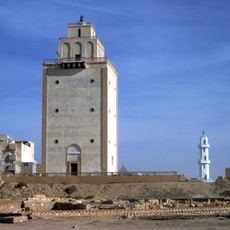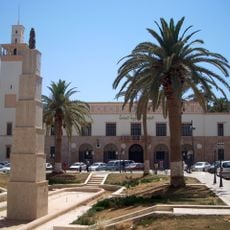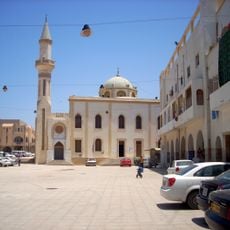
Benghazi, Port city in Cyrenaica, Libya
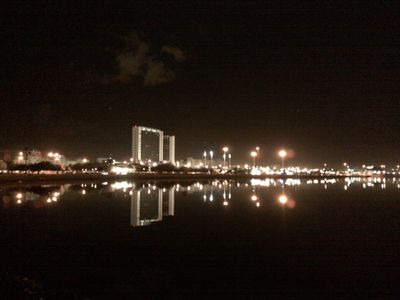
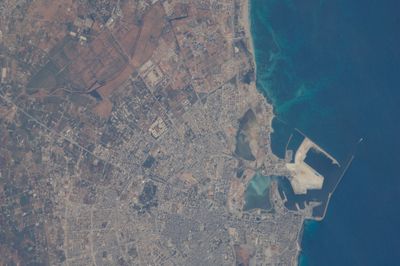
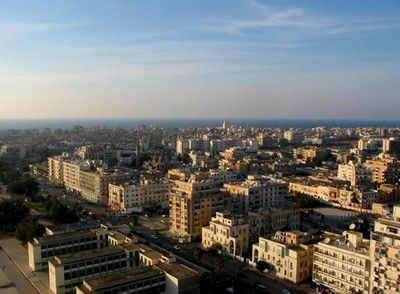
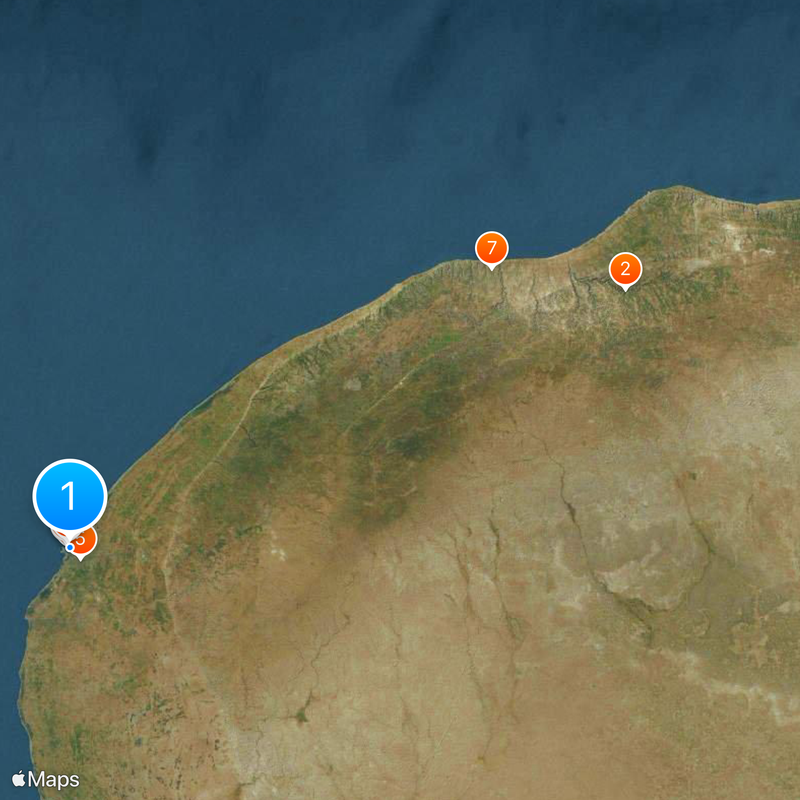
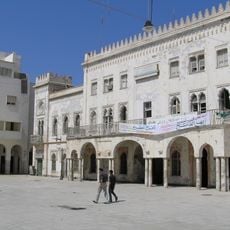
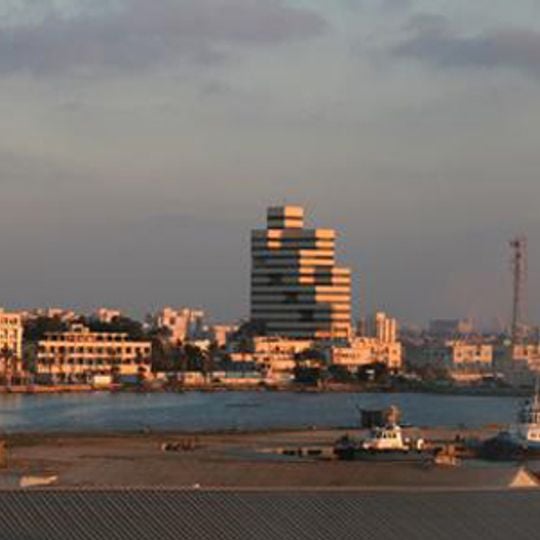
Benghazi extends along the Mediterranean coast at two meters (6 feet) above sea level and functions as the second largest urban center in Libya with 859,000 residents. The city consists of several districts that spread from the harbor in the north to residential neighborhoods and commercial zones in the south, connected by wide boulevards and public squares.
The settlement began in 525 BC as the Greek colony of Euesperides and was later renamed Berenice by Ptolemy III before growing into a significant Roman trading post. In the 20th century, the city experienced Italian colonialism, World War II and several internal conflicts that shaped its development.
The National Maritime Museum displays artifacts from Mediterranean seafaring, while vendors at local markets sell traditional Cyrenaican crafts and regional food items. Families gather along the waterfront promenades and in public gardens, where residents spend their evenings walking and talking over tea.
Benina International Airport sits 32 kilometers (20 miles) east of the center and connects the city with national and international destinations through regular flights. Visitors should check current security conditions and access requirements before traveling, as political instability can affect movement and availability of services.
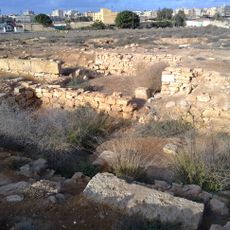
The city draws fresh water from both coastal desalination plants and the Great Man-Made River system, which transports water from Sahara aquifers. Archaeologists have uncovered parts of the ancient Greek city walls of Euesperides beneath modern residential neighborhoods, which are still being preserved today.
The community of curious travelers
AroundUs brings together thousands of curated places, local tips, and hidden gems, enriched daily by 60,000 contributors worldwide.