Libya, Mediterranean country in North Africa
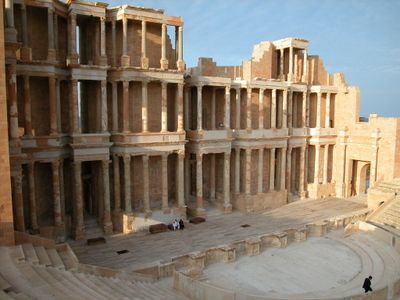
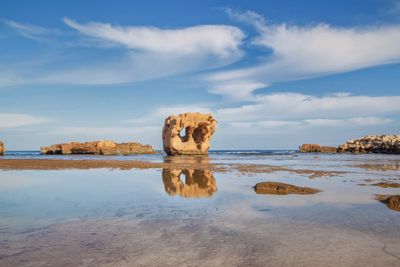
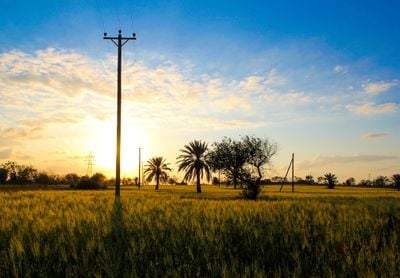
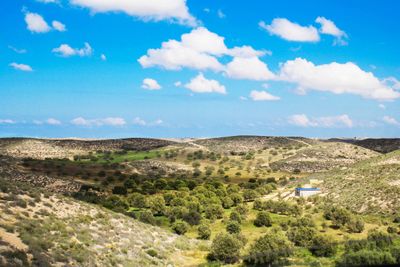
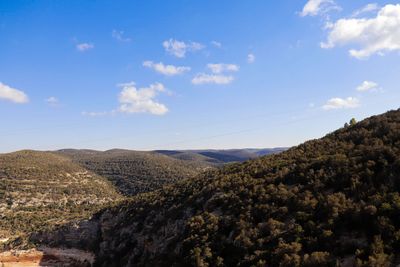
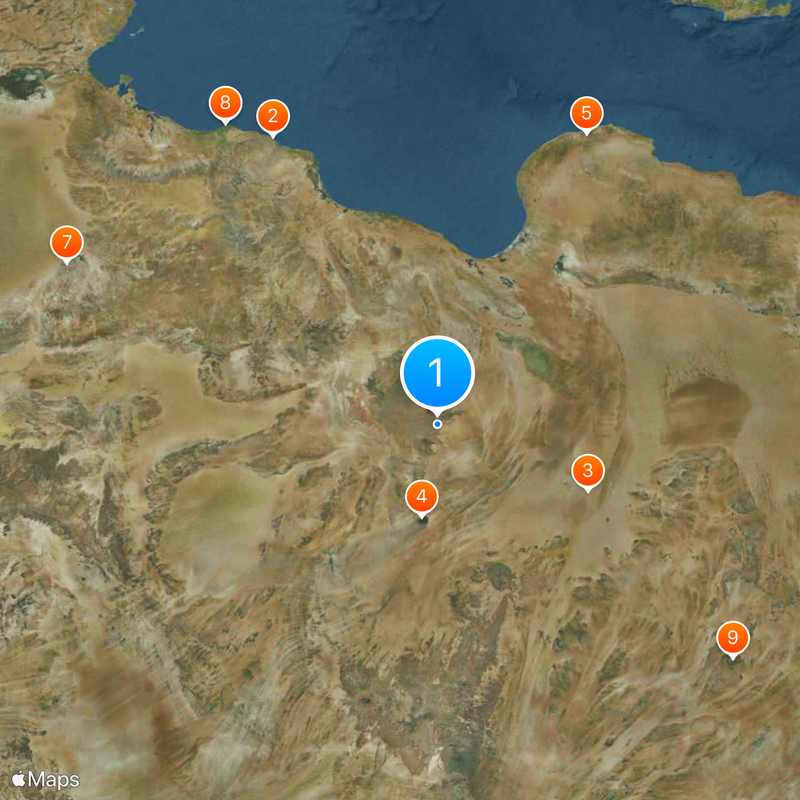
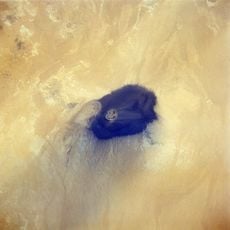
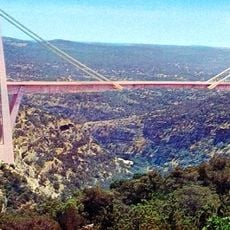
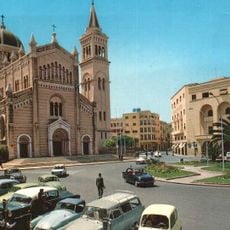
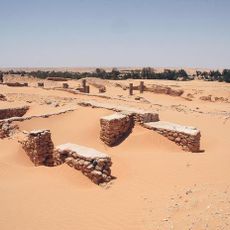
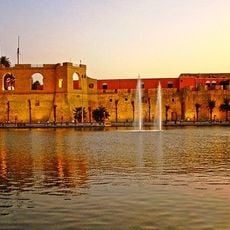
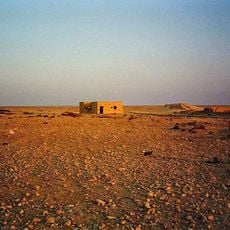
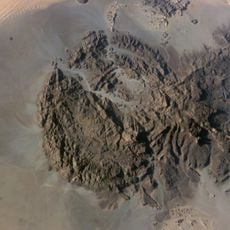
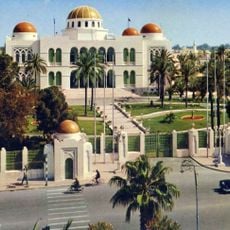
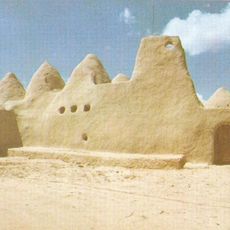
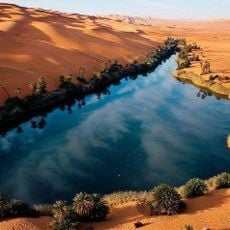
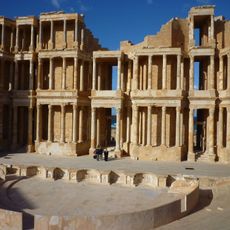
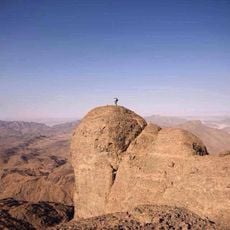
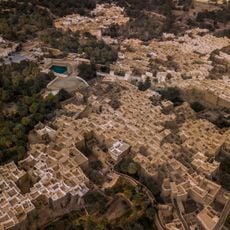
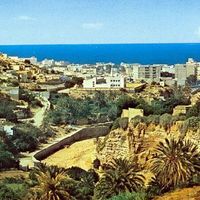
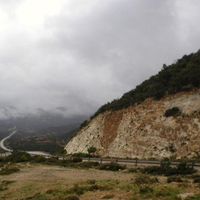
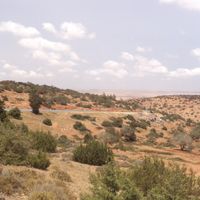
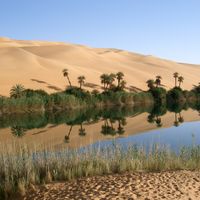
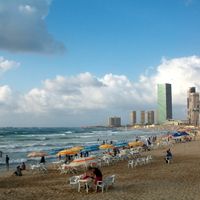
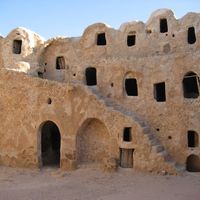
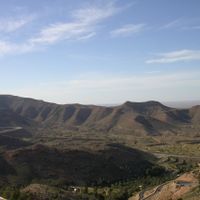
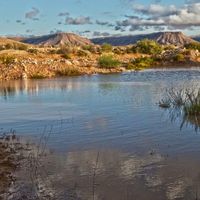
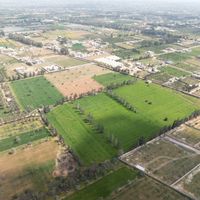
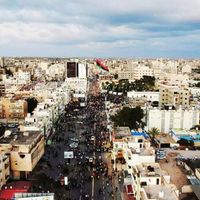
Libya is a North African country on the Mediterranean that extends from the coast deep into the Sahara. The terrain ranges from Mediterranean coastal plains through the Cyrenaica highlands to wide sandy and rocky deserts in the south, crossed by scattered oases and dry riverbeds.
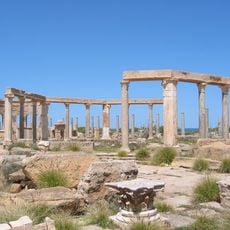
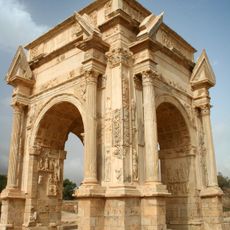
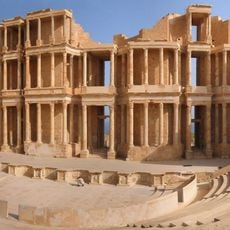
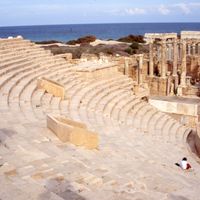
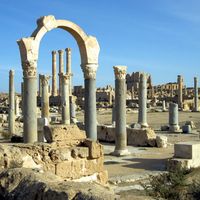
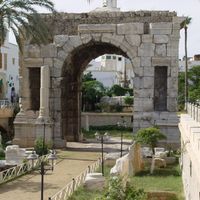
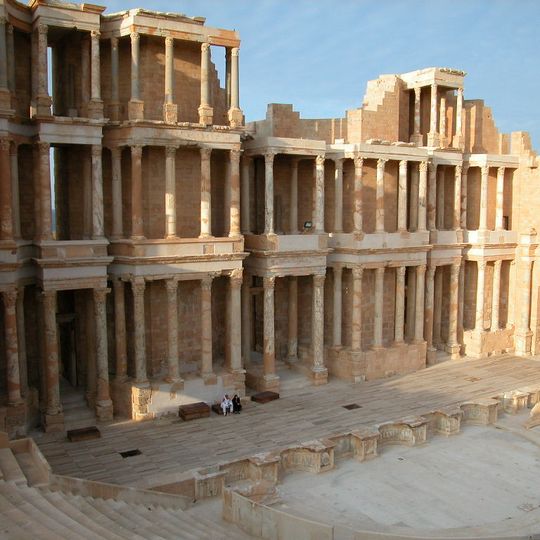
The independent kingdom emerged in 1951 after Roman, Ottoman, and Italian rule spanning more than two millennia. A military coup transformed the monarchy into a republic in 1969 under Muammar Gaddafi, whose government lasted until the civil war in 2011 and left behind ongoing political fragmentation.
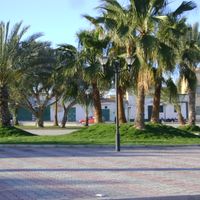
The name derives from the ancient Berber tribe of Libu who inhabited the region before Roman conquest. Visitors today encounter a society where hospitality runs deep and family ties shape daily life, while in cities modern cafés stand beside traditional souks.
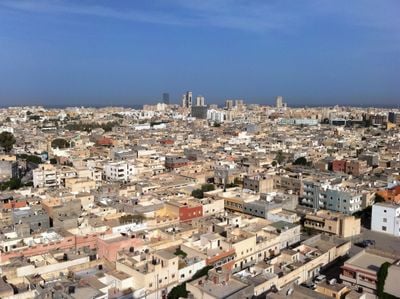
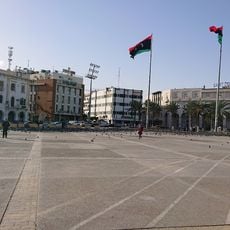
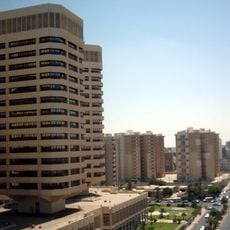
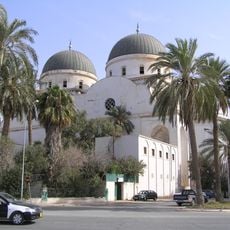
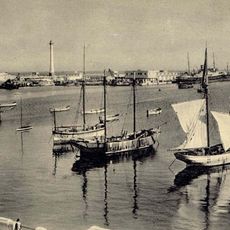
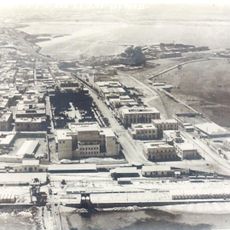
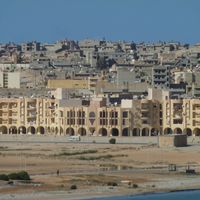
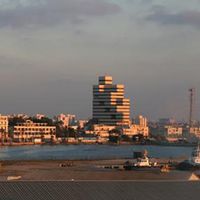
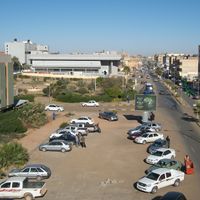
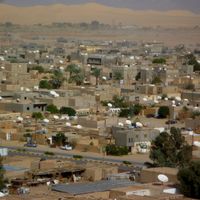
Most residents live in coastal cities like Tripoli and Benghazi, where basic infrastructure exists. Travelers should check current security conditions and entry requirements before any planning, as ongoing instability restricts freedom of movement in many areas.
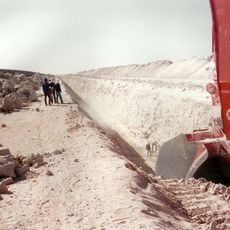
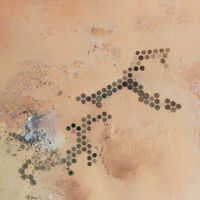
The Great Man-Made River system is an underground network of pipes transporting fresh water from desert aquifers to coastal cities. Built between the 1980s and 2000s, it ranks among the largest irrigation projects worldwide and supplies millions of people with drinking water from fossil water reserves deep beneath the Sahara.
The community of curious travelers
AroundUs brings together thousands of curated places, local tips, and hidden gems, enriched daily by 91,276 contributors worldwide.