See the monuments around you in AROpen chests in the app
Around Us is built for your phone — point your camera at the streets and discover the monuments and places around you in augmented reality.Around Us is built for your phone — chests unlock when you walk, explore and capture nearby places.
Libya holds some of the Mediterranean world's most important ancient ruins. You can walk through Roman cities like Leptis Magna, where a 16,000-seat amphitheater still stands, or explore the Greek settlement of Cyrene, founded more than 2,500 years ago. Berber communities left their mark across the landscape, from the fortified mountain villages of Nalut to the desert town of Ghadames, where covered streets and traditional irrigation systems have survived for over a thousand years.
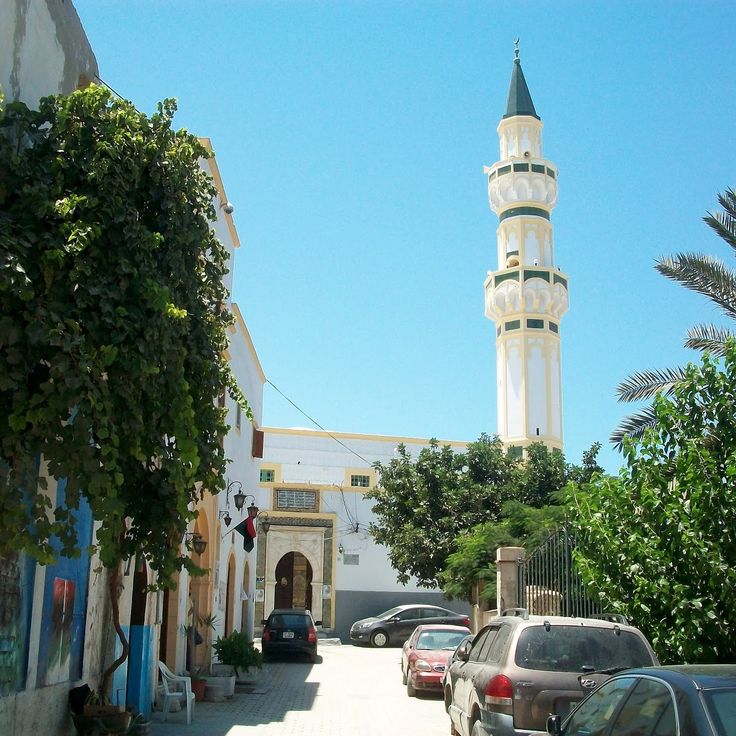
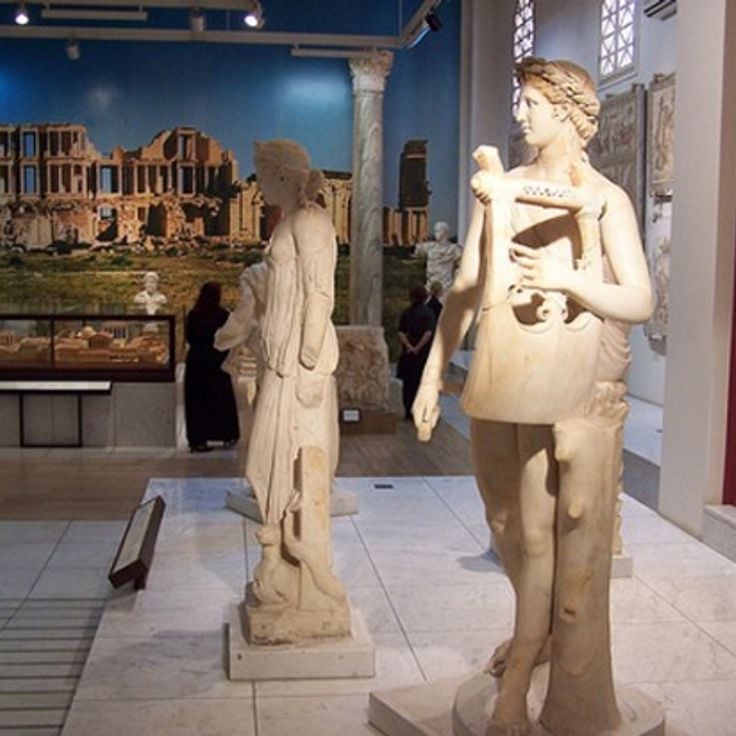
Beyond the ancient cities, Libya's museums bring these civilizations to life. The Zliten Museum houses beautiful mosaics and sculptures from the Roman period, while the Benghazi National Museum displays pottery, coins, and artifacts uncovered over the past century. You can also visit the Gurgi Mosque in Tripoli, an 18th-century building with Ottoman decorations and Italian marble that shows how cultures mixed in this region.
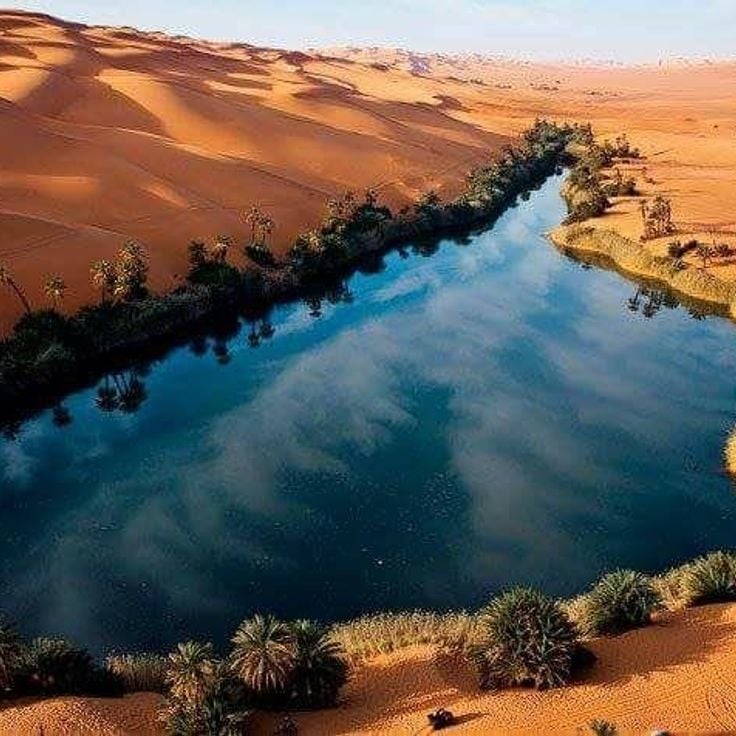
The landscape itself tells stories. In the heart of the Sahara, the Ubari Oasis offers a surprising sight—lakes surrounded by palms and sand dunes, a place where Tuareg people have lived for generations. Rock carvings scattered across the desert, mountain ranges, and hidden oases reveal how people adapted to this harsh environment over thousands of years.
Libya holds some of the Mediterranean world's most important ancient ruins. You can walk through Roman cities like Leptis Magna, where a 16,000-seat amphitheater still stands, or explore the Greek settlement of Cyrene, founded more than 2,500 years ago. Berber communities left their mark across the landscape, from the fortified mountain villages of Nalut to the desert town of Ghadames, where covered streets and traditional irrigation systems have survived for over a thousand years.
Beyond the ancient cities, Libya's museums bring these civilizations to life. The Zliten Museum houses beautiful mosaics and sculptures from the Roman period, while the Benghazi National Museum displays pottery, coins, and artifacts uncovered over the past century. You can also visit the Gurgi Mosque in Tripoli, an 18th-century building with Ottoman decorations and Italian marble that shows how cultures mixed in this region.
The landscape itself tells stories. In the heart of the Sahara, the Ubari Oasis offers a surprising sight—lakes surrounded by palms and sand dunes, a place where Tuareg people have lived for generations. Rock carvings scattered across the desert, mountain ranges, and hidden oases reveal how people adapted to this harsh environment over thousands of years.
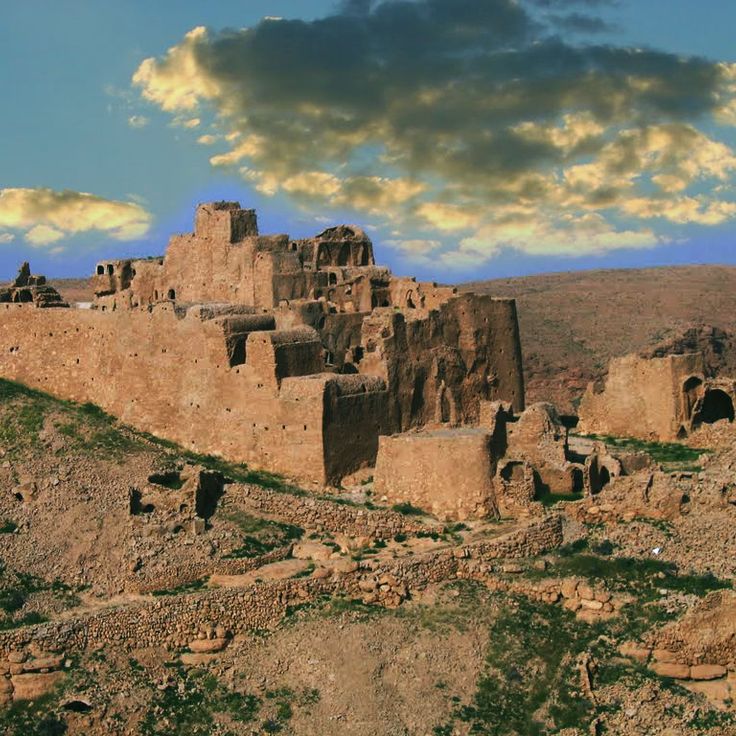
The Nalut Ruins are stone defensive constructions from the 12th century and form part of Libya's most important historical sites. They show how Berber communities lived in the mountains and built their homes. The fortified granaries and traditional dwellings tell the story of this region and how people adapted to living in challenging terrain.
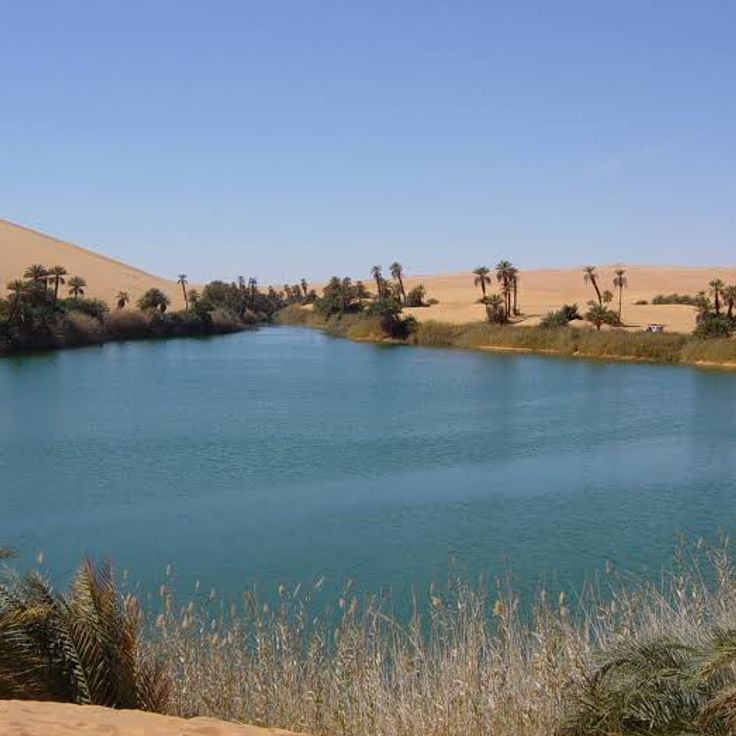
The Ubari Oasis appears in this collection as a remarkable sight in the heart of the Sahara. These lakes, surrounded by sand dunes and palm trees, show how people have lived in this harsh desert environment for thousands of years. The oasis has been home to the Tuareg people for generations, who adapted to life in these remote lands. This place demonstrates the deep connection between people and the desert landscape that runs through Libya's history.
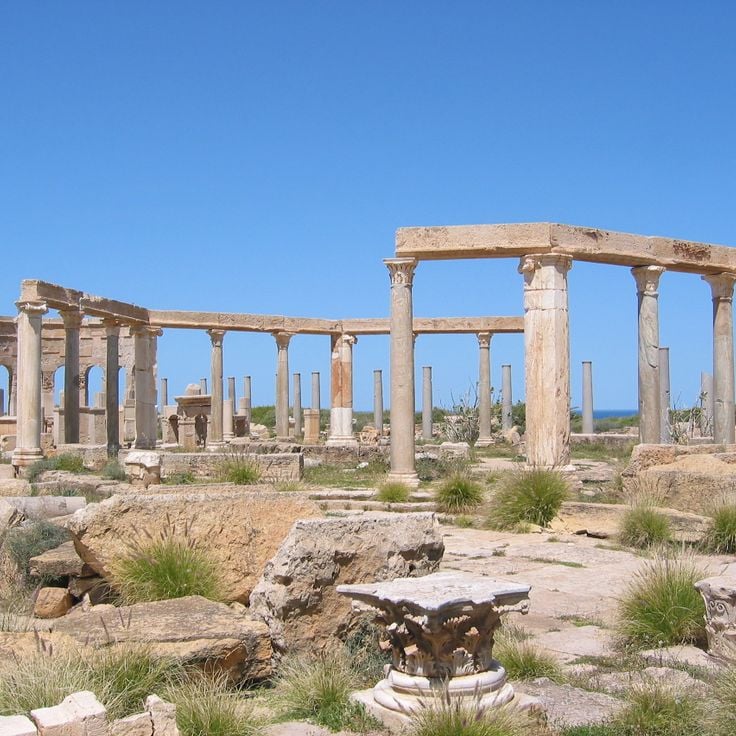
Leptis Magna is a 2nd-century Roman city that stands among Libya's most important ancient ruins. The city contains a forum, market, baths, a 16,000-seat amphitheater, and an ancient Mediterranean port. Walking through these remains, you can see how people lived and worked during Roman times, and understand why this place was so central to the region's history.
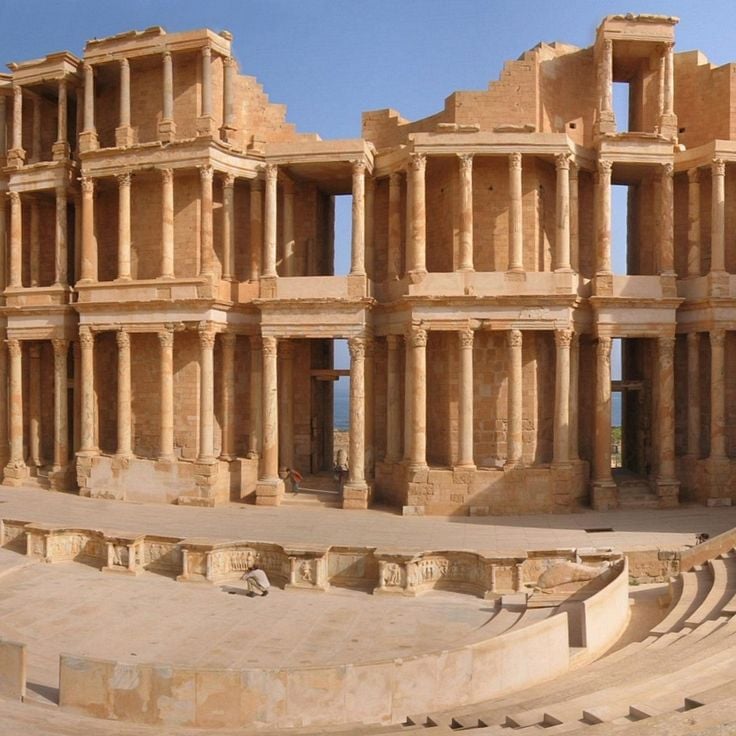
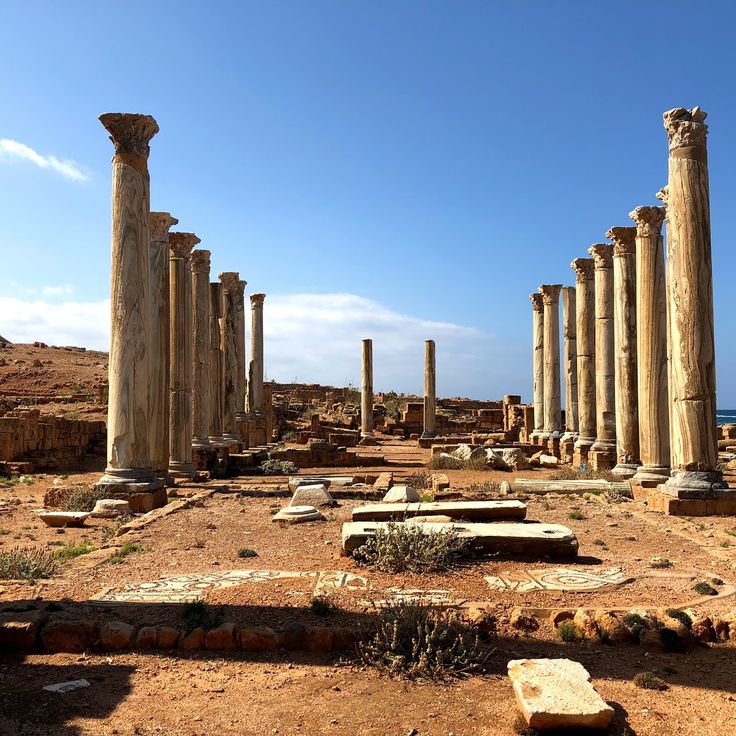
Sabratha is a Roman city from the 3rd century where you can see the remains of daily life from that era. The most striking structure is a three-story theater that still commands attention. Beyond the theater, temples, a forum, and private homes reveal how residents lived. The mosaics decorating these buildings show scenes of the sea, trade ships, and maritime life. Sabratha was a busy port and trading hub where goods and people moved constantly. Walking through these ruins near the coast gives you a sense of how important this city was to the Roman Mediterranean world.
Cyrene was one of the Mediterranean world's most important Greek settlements, showing how Greeks lived here more than 2,500 years ago. The city sits on a plateau and you can still walk through the acropolis, where some ancient buildings stand, and see the theater where thousands once gathered. The agora, the central marketplace, is also visible—a place where people traded and met daily. The Romans later built new structures here, so Cyrene shows building styles from different periods layered on top of each other. This site is part of Libya's ancient treasures and helps us understand how people lived around the Mediterranean over many centuries.
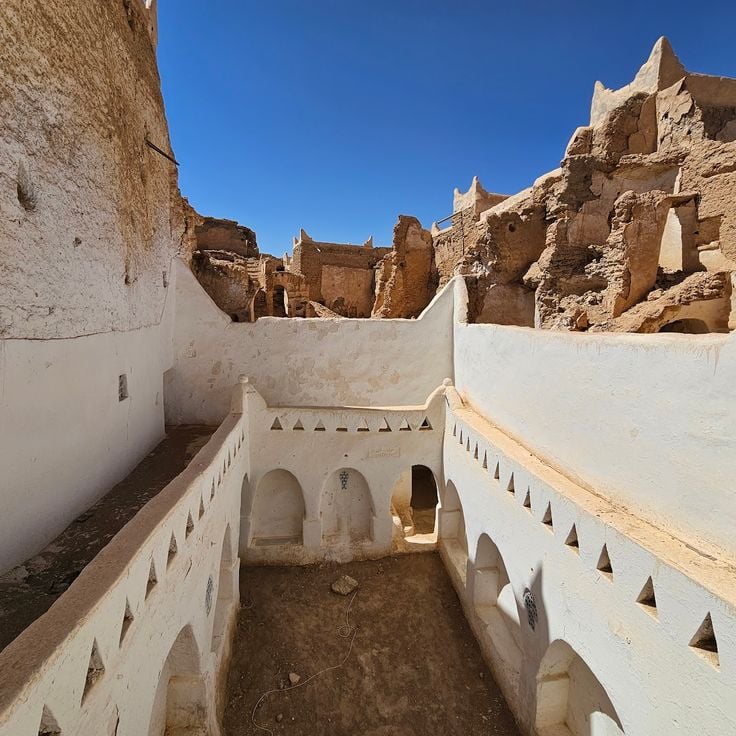
This fortified desert town is a significant site within Libya's collection of major historical locations. Ghadames demonstrates how people adapted to life in the Sahara over many centuries. The town features earthen architecture, covered alleyways, and a traditional irrigation system from the 7th century. The buildings and streets have survived for over a thousand years, revealing how communities developed practical solutions to thrive in harsh desert conditions.
The Omar Mukhtar Museum in Al Bayda displays personal items, documents, and photographs from the life of the Libyan resistance leader who fought against Italian occupation. As part of Libya's major historical sites, this museum honors a central figure in the country's struggle for independence. The collection helps visitors understand the history of resistance and the personal story of Omar Mukhtar.
The Zliten Museum displays a collection of Roman mosaics, sculptures, and objects discovered in the Tripolitania region, dating from the 2nd to 4th centuries. This museum is one of Libya's major historical sites and offers visitors a window into Roman civilization in North Africa. The mosaics feature scenes from daily life and mythology, while the sculptures showcase the craftsmanship of Roman artisans. Through these artifacts, you can learn how people lived and worked in this region over 2,000 years ago. The collection helps tell the story of how different cultures shaped Libya's past.
The Benghazi National Museum displays ancient artifacts, coins, pottery, and sculptures discovered during excavations in eastern Libya since 1920. The museum brings these objects from past civilizations to life, showing tools, decorative items, and household goods that reveal how people lived and worked in this region thousands of years ago. It serves as a window into the Mediterranean world and the cultures that shaped this part of Libya over time.
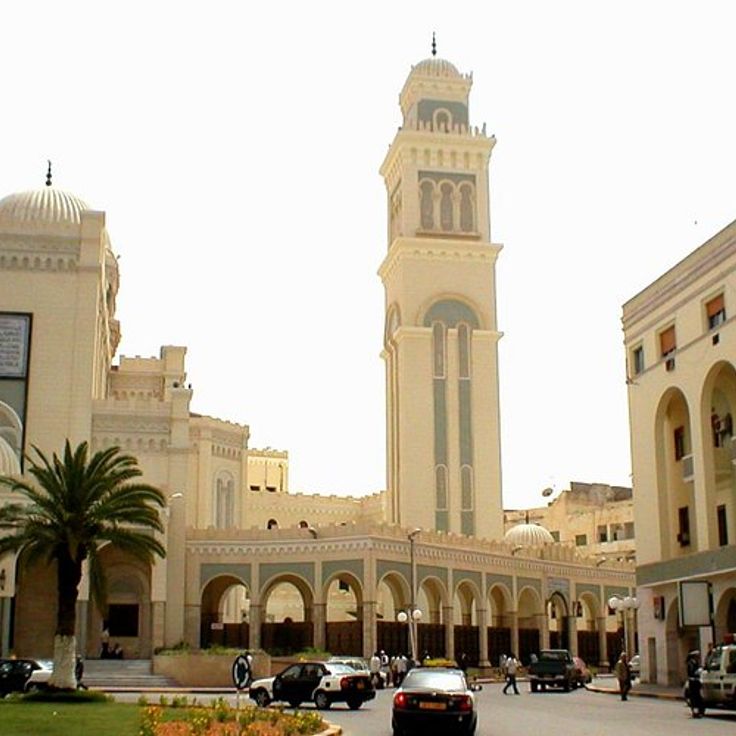
The Gurgi Mosque is an 18th-century religious building that shows how different cultures mixed in this region. Its minaret displays Ottoman motifs, Italian marble columns, and Turkish tile decorations. This structure brings together various architectural traditions and reveals how people from different backgrounds shaped Libya's cities and communities.
Apollonia is a Greek maritime settlement that was founded more than 2,500 years ago and stands among the Mediterranean world's most important ancient ruins. The site contains Roman baths, Byzantine basilicas, and an ancient theater facing the sea. This place tells the story of how different cultures mixed in this region over centuries.
The Red Castle Museum in Tripoli houses archaeological collections displayed within a 16th-century fortress. Among Libya's major historical sites, this museum shows objects from prehistoric times through the Islamic era, offering insight into the civilizations that shaped the region. Walking through its rooms, you encounter artifacts that tell the story of Romans, Berbers, and other peoples who left their mark across the landscape. The collections help you understand how different cultures lived and interacted in this part of the Mediterranean world.
Gaberoun Lake is one of Libya's natural sites that demonstrates how people adapted to the harsh desert environment. This salt lake sits on the edge of the Sahara and is surrounded by date palms. The lake's sediments contain red minerals and salt deposits, which reflect the geological history of the region. The lake offers insight into the natural resources that communities have used for generations in this area.
Tadrart Acacus is a mountain range in the Sahara and serves as a crucial site for this collection of Libya's major historical locations. The site holds thousands of rock paintings created between 12000 and 100 BCE. These artworks reveal how people lived in this harsh desert environment and what mattered to them. Visitors can walk through the mountain terrain and discover paintings depicting hunting scenes, animals, and daily life from ancient times.
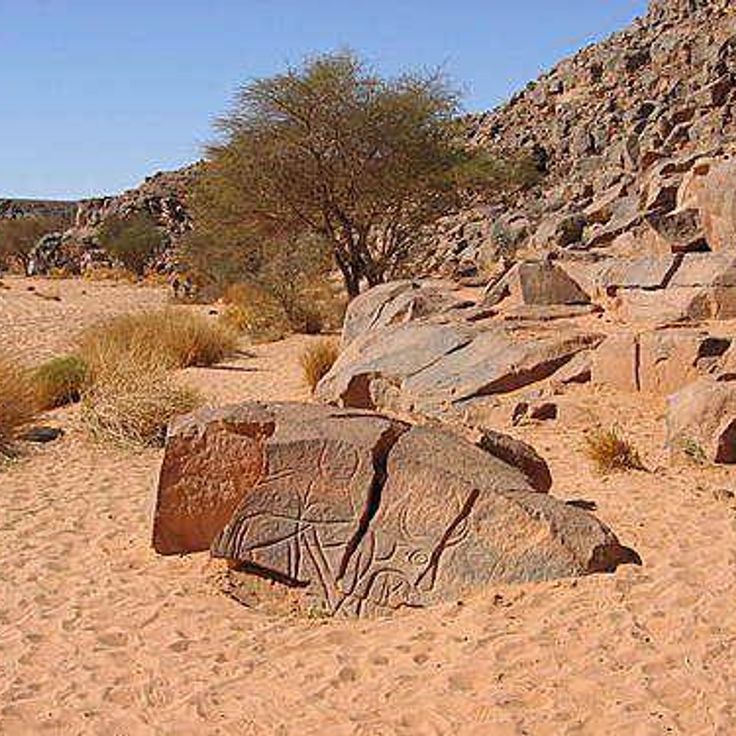
Wadi Mathendous is a valley on the Messak Settafet plateau that holds rock engravings from the Neolithic period. The carvings show elephants, giraffes, and other animals that once roamed this region. This site fits into Libya's broader story of ancient civilizations and shows how people lived in the Sahara thousands of years ago. The engravings reveal that this landscape was once very different, with more water and vegetation before the desert took over.
Garama was once the capital of the Garamantians, a people who lived deep in the Sahara. At this site, you can see the remains of temples, tombs, and houses that show how this civilization lived between the 5th century BC and the 7th century AD. The Garamantians were skilled traders and craftspeople who controlled caravan routes and traded with lands across the Mediterranean. Garama is part of Libya's major historical sites and helps us understand how people built a thriving society in the desert.
Al-Majidya Mosque stands as one of Libya's significant historical sites, showing how different cultures blended in this region. This mosque was built in the 19th century in Ottoman style and features a minaret and an inner courtyard adorned with marble columns. The architecture reflects the craftsmanship and wealth of its era.
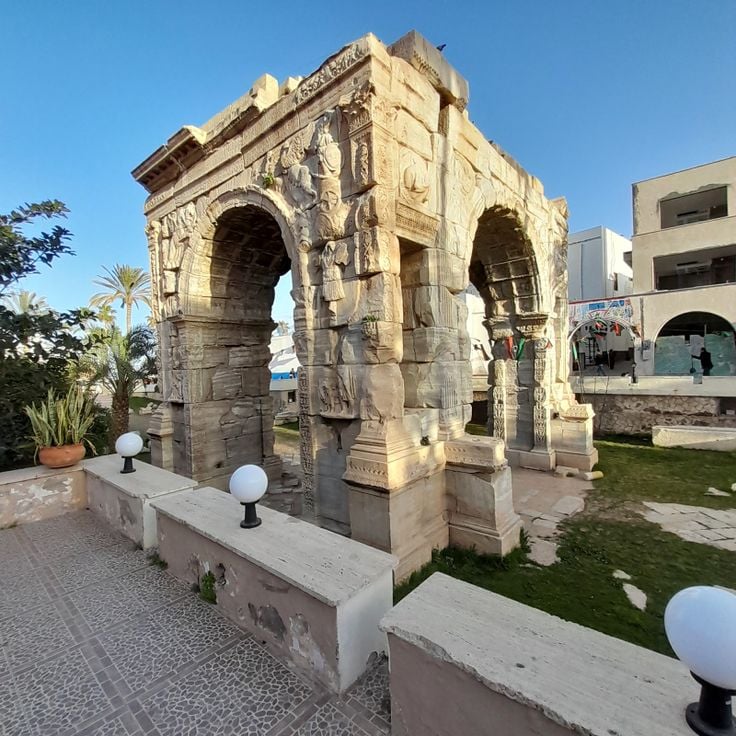
The Arch of Marcus Aurelius in Tripoli stands as a remarkable example of Roman architecture and forms part of Libya's significant ancient heritage. Built in 163 from white limestone, this monument consists of four pillars supporting an arch decorated with mythological reliefs. The structure demonstrates Roman craftsmanship and their skill in creating buildings that conveyed imperial power. Walking around it, visitors can observe the carved details that depict scenes from Roman mythology. The arch offers a window into the period when Rome controlled and shaped this region.
Ptolemais was an ancient city founded in the 6th century BC and remains one of Libya's key archaeological sites that illustrate Mediterranean history. The ruins of this settlement show how Greeks and later Romans lived and constructed their communities in this region. Visitors can see a theater, baths, and Roman mosaics that reveal the skills and daily life of these ancient peoples.
Tobruk War Cemetery is a commemorative site established in 1943 in Libya where over 2,000 Commonwealth soldiers who died during the North African battles of 1941-1942 are buried. This cemetery stands as a memorial to those who fought in one of the region's most significant conflicts. Walking through Tobruk War Cemetery, you encounter rows of graves marking a period when global powers struggled for control of this strategic area. The site connects to the broader story of how wars have shaped Libya's landscape alongside its ancient ruins and desert settlements. For visitors interested in how different historical moments have left their mark on this country, this cemetery offers a sobering perspective on more recent history.
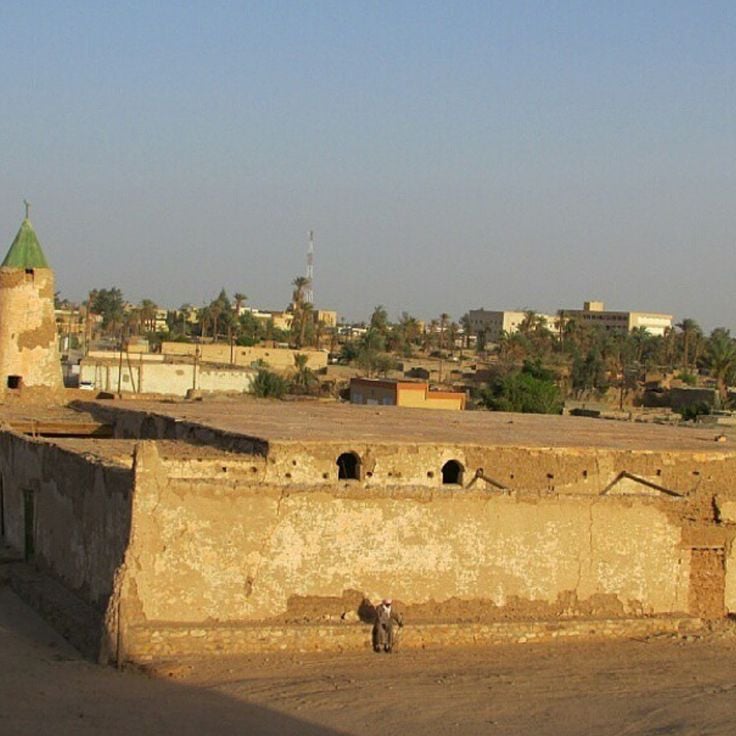
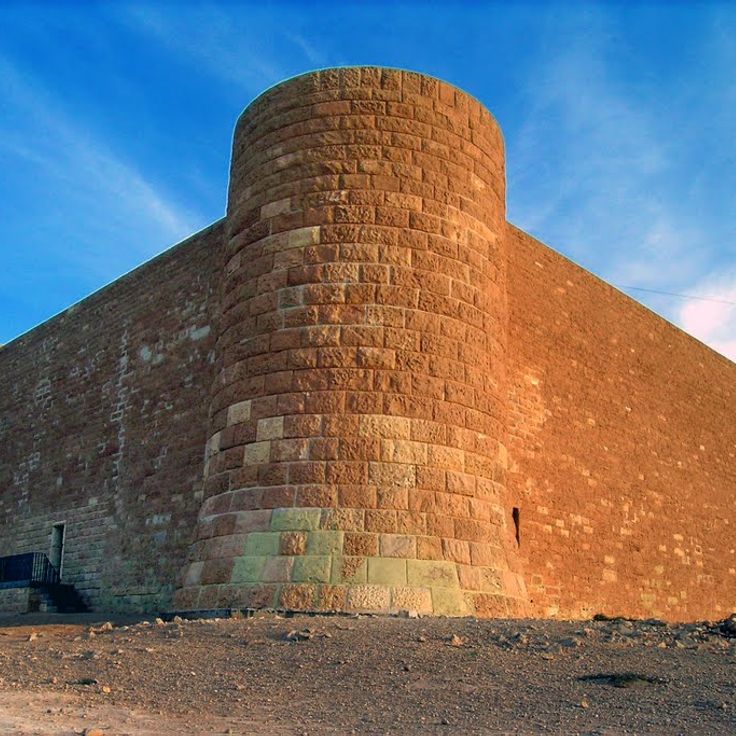
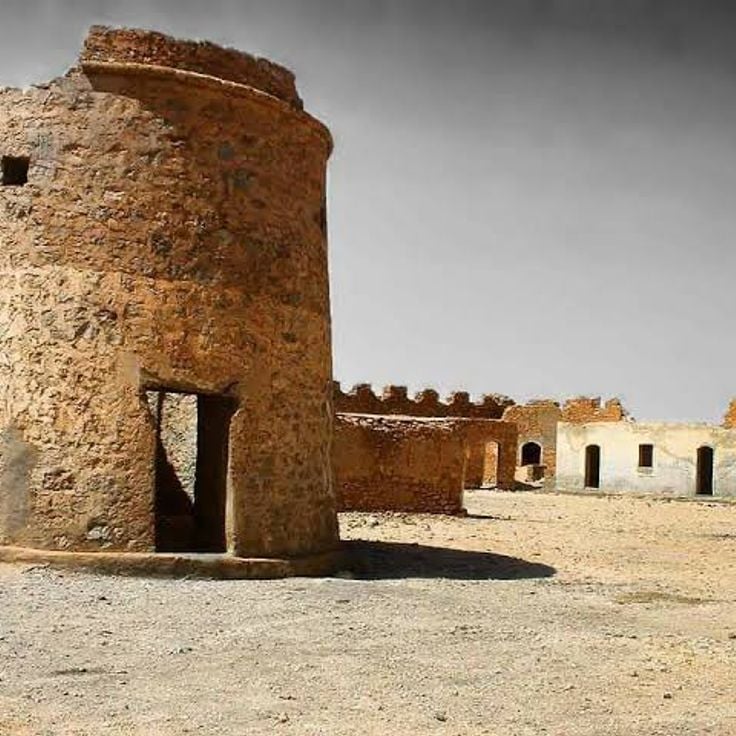
Murzuq Castle is a 16th-century military fortress located in the town of Murzuq in the heart of the Sahara. The earthen walls of this castle once guarded the ancient trade routes crossing the desert. As part of Libya's collection of significant historical sites, Murzuq Castle reveals how people protected commerce and maintained settlements across one of the world's harshest environments for centuries.
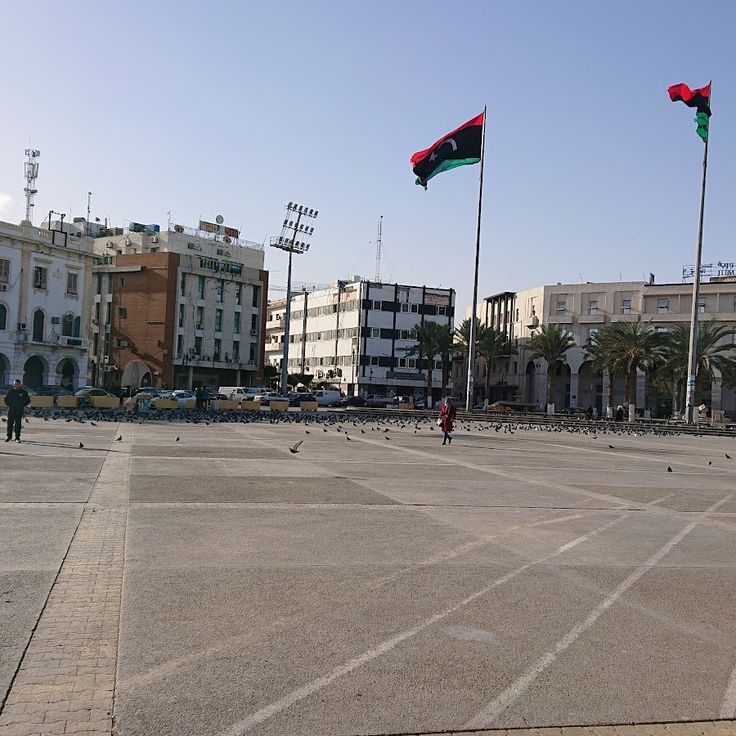
Martyrs' Square is a large public square in central Tripoli and an important location within Libya's historical narrative. Renamed in 2011, it now serves as a center for commemorative events and hosts significant administrative buildings. The square reflects how the city and nation have transformed in recent decades and remains a place where people gather and history unfolds.
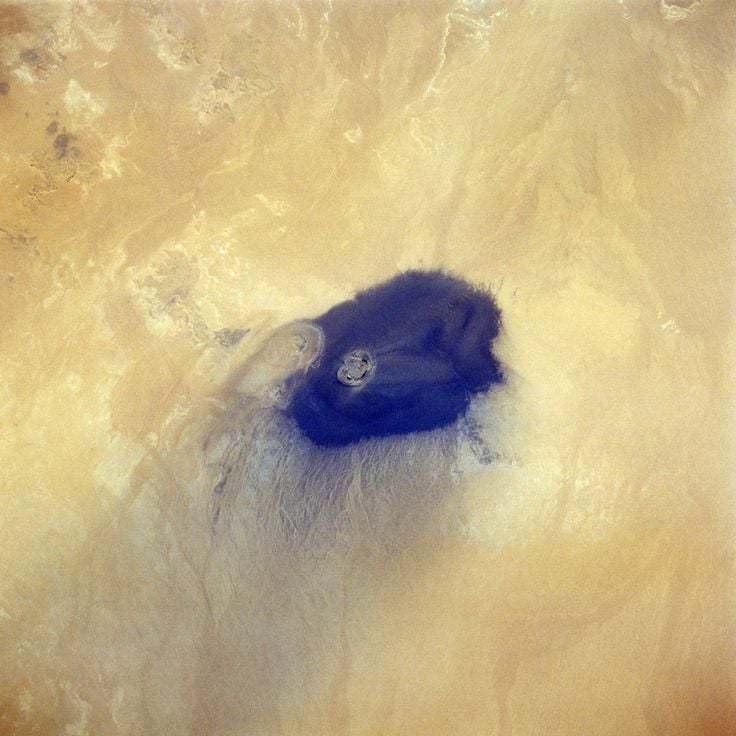
Waw an Namus is a volcanic formation in the Sahara containing three lakes of different colors. This natural wonder lies at the heart of the desert and shows how the landscape itself tells stories. The crater landscape with its lakes is a place where you can understand how people adapted to this harsh environment over thousands of years. Waw an Namus contributes to Libya's geological and natural history, complementing the country's ancient sites.
Jebel Uweinat holds an important place in this collection of Libya's major historical sites. This mountain rises to 1,934 meters (6,345 feet) at the junction where three countries meet in the Sahara. Its rocky walls bear prehistoric rock paintings that reveal how people lived and adapted to this harsh desert landscape over thousands of years. Like the hidden oases and rock carvings scattered across the desert elsewhere in Libya, Jebel Uweinat shows how ancient peoples survived and thrived in one of Earth's most unforgiving environments.
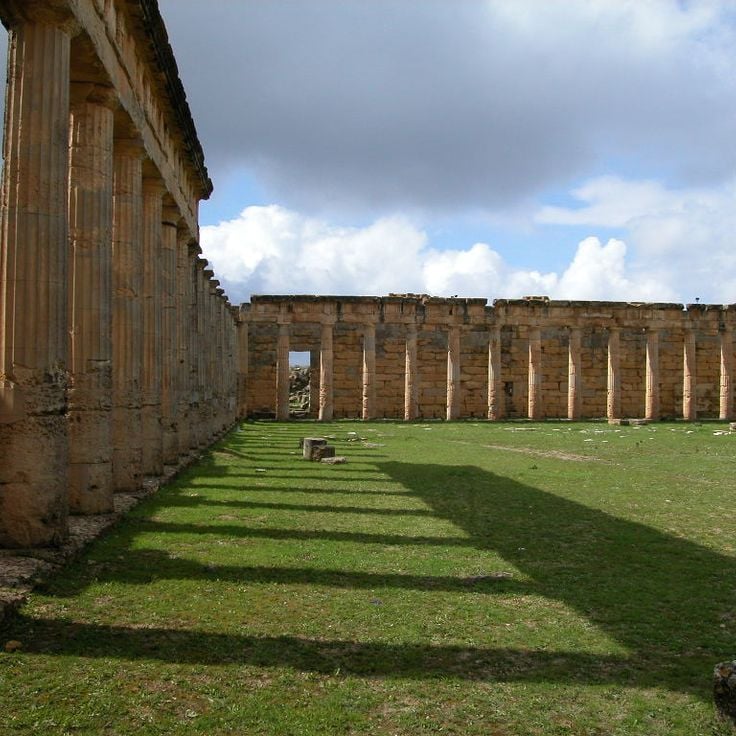
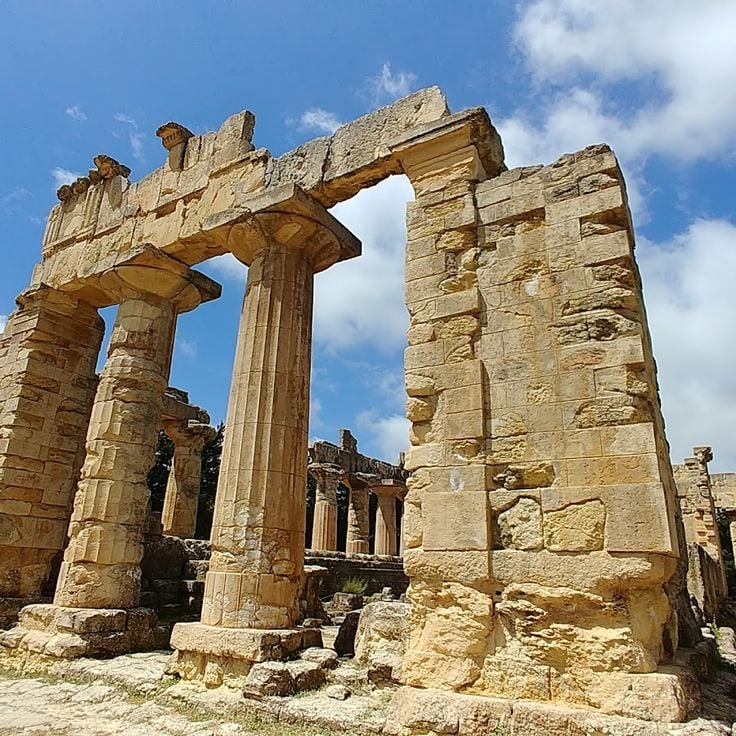
The Temple of Zeus stands in Cyrene, one of the Mediterranean world's most important ancient Greek settlements, founded more than 2,500 years ago. This temple shows the architecture and beliefs of the ancient Greeks who made their home in this region. It is part of the archaeological complex of Cyrene, where you can still see the remains of temples, theaters, and houses. The Temple of Zeus helps us understand how the Greeks lived and which gods mattered to them. Its location in the Libyan landscape shows how far Greek culture spread.
Taucheira is an ancient Greek settlement on Libya's coast and part of the Mediterranean world's important ancient ruins. Founded in the 7th century BC, its remains show how Greeks lived in this region. Like other historical sites across Libya, Taucheira tells the story of civilizations that shaped this land over thousands of years. The ruins of this settlement help us understand how people built communities along this coastline in the distant past.
In Libya's collection of major historical sites, Bikku Bitti holds a unique place. This mountain in Al Koufrah is the highest point in the country at 2,267 meters elevation. From its peak, you can see across the desert landscape that people have crossed and inhabited for thousands of years. Bikku Bitti connects visitors to the Sahara's natural character and reveals how life has adapted to this harsh environment throughout history.
Jebel Arkanu is a mountain massif in the Libyan desert, part of the region's important historical sites. The mountain features steep rock formations and rock engravings that tell stories of the people who adapted to this harsh landscape over thousands of years. With its highest point reaching 1435 meters, Jebel Arkanu offers insight into how communities survived in this challenging desert environment.
The Nalut Ruins are stone defensive constructions from the 12th century and form part of Libya's most important historical sites. They show how Berber communities lived in the mountains and built their homes. The fortified granaries and traditional dwellings tell the story of this region and how people adapted to living in challenging terrain.
The Ubari Oasis appears in this collection as a remarkable sight in the heart of the Sahara. These lakes, surrounded by sand dunes and palm trees, show how people have lived in this harsh desert environment for thousands of years. The oasis has been home to the Tuareg people for generations, who adapted to life in these remote lands. This place demonstrates the deep connection between people and the desert landscape that runs through Libya's history.
Leptis Magna is a 2nd-century Roman city that stands among Libya's most important ancient ruins. The city contains a forum, market, baths, a 16,000-seat amphitheater, and an ancient Mediterranean port. Walking through these remains, you can see how people lived and worked during Roman times, and understand why this place was so central to the region's history.
Sabratha is a Roman city from the 3rd century where you can see the remains of daily life from that era. The most striking structure is a three-story theater that still commands attention. Beyond the theater, temples, a forum, and private homes reveal how residents lived. The mosaics decorating these buildings show scenes of the sea, trade ships, and maritime life. Sabratha was a busy port and trading hub where goods and people moved constantly. Walking through these ruins near the coast gives you a sense of how important this city was to the Roman Mediterranean world.
Cyrene was one of the Mediterranean world's most important Greek settlements, showing how Greeks lived here more than 2,500 years ago. The city sits on a plateau and you can still walk through the acropolis, where some ancient buildings stand, and see the theater where thousands once gathered. The agora, the central marketplace, is also visible—a place where people traded and met daily. The Romans later built new structures here, so Cyrene shows building styles from different periods layered on top of each other. This site is part of Libya's ancient treasures and helps us understand how people lived around the Mediterranean over many centuries.
This fortified desert town is a significant site within Libya's collection of major historical locations. Ghadames demonstrates how people adapted to life in the Sahara over many centuries. The town features earthen architecture, covered alleyways, and a traditional irrigation system from the 7th century. The buildings and streets have survived for over a thousand years, revealing how communities developed practical solutions to thrive in harsh desert conditions.
The Omar Mukhtar Museum in Al Bayda displays personal items, documents, and photographs from the life of the Libyan resistance leader who fought against Italian occupation. As part of Libya's major historical sites, this museum honors a central figure in the country's struggle for independence. The collection helps visitors understand the history of resistance and the personal story of Omar Mukhtar.
The Zliten Museum displays a collection of Roman mosaics, sculptures, and objects discovered in the Tripolitania region, dating from the 2nd to 4th centuries. This museum is one of Libya's major historical sites and offers visitors a window into Roman civilization in North Africa. The mosaics feature scenes from daily life and mythology, while the sculptures showcase the craftsmanship of Roman artisans. Through these artifacts, you can learn how people lived and worked in this region over 2,000 years ago. The collection helps tell the story of how different cultures shaped Libya's past.
The Benghazi National Museum displays ancient artifacts, coins, pottery, and sculptures discovered during excavations in eastern Libya since 1920. The museum brings these objects from past civilizations to life, showing tools, decorative items, and household goods that reveal how people lived and worked in this region thousands of years ago. It serves as a window into the Mediterranean world and the cultures that shaped this part of Libya over time.
The Gurgi Mosque is an 18th-century religious building that shows how different cultures mixed in this region. Its minaret displays Ottoman motifs, Italian marble columns, and Turkish tile decorations. This structure brings together various architectural traditions and reveals how people from different backgrounds shaped Libya's cities and communities.
Apollonia is a Greek maritime settlement that was founded more than 2,500 years ago and stands among the Mediterranean world's most important ancient ruins. The site contains Roman baths, Byzantine basilicas, and an ancient theater facing the sea. This place tells the story of how different cultures mixed in this region over centuries.
The Red Castle Museum in Tripoli houses archaeological collections displayed within a 16th-century fortress. Among Libya's major historical sites, this museum shows objects from prehistoric times through the Islamic era, offering insight into the civilizations that shaped the region. Walking through its rooms, you encounter artifacts that tell the story of Romans, Berbers, and other peoples who left their mark across the landscape. The collections help you understand how different cultures lived and interacted in this part of the Mediterranean world.
Gaberoun Lake is one of Libya's natural sites that demonstrates how people adapted to the harsh desert environment. This salt lake sits on the edge of the Sahara and is surrounded by date palms. The lake's sediments contain red minerals and salt deposits, which reflect the geological history of the region. The lake offers insight into the natural resources that communities have used for generations in this area.
Tadrart Acacus is a mountain range in the Sahara and serves as a crucial site for this collection of Libya's major historical locations. The site holds thousands of rock paintings created between 12000 and 100 BCE. These artworks reveal how people lived in this harsh desert environment and what mattered to them. Visitors can walk through the mountain terrain and discover paintings depicting hunting scenes, animals, and daily life from ancient times.
Wadi Mathendous is a valley on the Messak Settafet plateau that holds rock engravings from the Neolithic period. The carvings show elephants, giraffes, and other animals that once roamed this region. This site fits into Libya's broader story of ancient civilizations and shows how people lived in the Sahara thousands of years ago. The engravings reveal that this landscape was once very different, with more water and vegetation before the desert took over.
Garama was once the capital of the Garamantians, a people who lived deep in the Sahara. At this site, you can see the remains of temples, tombs, and houses that show how this civilization lived between the 5th century BC and the 7th century AD. The Garamantians were skilled traders and craftspeople who controlled caravan routes and traded with lands across the Mediterranean. Garama is part of Libya's major historical sites and helps us understand how people built a thriving society in the desert.
Al-Majidya Mosque stands as one of Libya's significant historical sites, showing how different cultures blended in this region. This mosque was built in the 19th century in Ottoman style and features a minaret and an inner courtyard adorned with marble columns. The architecture reflects the craftsmanship and wealth of its era.
The Arch of Marcus Aurelius in Tripoli stands as a remarkable example of Roman architecture and forms part of Libya's significant ancient heritage. Built in 163 from white limestone, this monument consists of four pillars supporting an arch decorated with mythological reliefs. The structure demonstrates Roman craftsmanship and their skill in creating buildings that conveyed imperial power. Walking around it, visitors can observe the carved details that depict scenes from Roman mythology. The arch offers a window into the period when Rome controlled and shaped this region.
Ptolemais was an ancient city founded in the 6th century BC and remains one of Libya's key archaeological sites that illustrate Mediterranean history. The ruins of this settlement show how Greeks and later Romans lived and constructed their communities in this region. Visitors can see a theater, baths, and Roman mosaics that reveal the skills and daily life of these ancient peoples.
Tobruk War Cemetery is a commemorative site established in 1943 in Libya where over 2,000 Commonwealth soldiers who died during the North African battles of 1941-1942 are buried. This cemetery stands as a memorial to those who fought in one of the region's most significant conflicts. Walking through Tobruk War Cemetery, you encounter rows of graves marking a period when global powers struggled for control of this strategic area. The site connects to the broader story of how wars have shaped Libya's landscape alongside its ancient ruins and desert settlements. For visitors interested in how different historical moments have left their mark on this country, this cemetery offers a sobering perspective on more recent history.
Murzuq Castle is a 16th-century military fortress located in the town of Murzuq in the heart of the Sahara. The earthen walls of this castle once guarded the ancient trade routes crossing the desert. As part of Libya's collection of significant historical sites, Murzuq Castle reveals how people protected commerce and maintained settlements across one of the world's harshest environments for centuries.
Martyrs' Square is a large public square in central Tripoli and an important location within Libya's historical narrative. Renamed in 2011, it now serves as a center for commemorative events and hosts significant administrative buildings. The square reflects how the city and nation have transformed in recent decades and remains a place where people gather and history unfolds.
Waw an Namus is a volcanic formation in the Sahara containing three lakes of different colors. This natural wonder lies at the heart of the desert and shows how the landscape itself tells stories. The crater landscape with its lakes is a place where you can understand how people adapted to this harsh environment over thousands of years. Waw an Namus contributes to Libya's geological and natural history, complementing the country's ancient sites.
Jebel Uweinat holds an important place in this collection of Libya's major historical sites. This mountain rises to 1,934 meters (6,345 feet) at the junction where three countries meet in the Sahara. Its rocky walls bear prehistoric rock paintings that reveal how people lived and adapted to this harsh desert landscape over thousands of years. Like the hidden oases and rock carvings scattered across the desert elsewhere in Libya, Jebel Uweinat shows how ancient peoples survived and thrived in one of Earth's most unforgiving environments.
The Temple of Zeus stands in Cyrene, one of the Mediterranean world's most important ancient Greek settlements, founded more than 2,500 years ago. This temple shows the architecture and beliefs of the ancient Greeks who made their home in this region. It is part of the archaeological complex of Cyrene, where you can still see the remains of temples, theaters, and houses. The Temple of Zeus helps us understand how the Greeks lived and which gods mattered to them. Its location in the Libyan landscape shows how far Greek culture spread.
Taucheira is an ancient Greek settlement on Libya's coast and part of the Mediterranean world's important ancient ruins. Founded in the 7th century BC, its remains show how Greeks lived in this region. Like other historical sites across Libya, Taucheira tells the story of civilizations that shaped this land over thousands of years. The ruins of this settlement help us understand how people built communities along this coastline in the distant past.
In Libya's collection of major historical sites, Bikku Bitti holds a unique place. This mountain in Al Koufrah is the highest point in the country at 2,267 meters elevation. From its peak, you can see across the desert landscape that people have crossed and inhabited for thousands of years. Bikku Bitti connects visitors to the Sahara's natural character and reveals how life has adapted to this harsh environment throughout history.
Jebel Arkanu is a mountain massif in the Libyan desert, part of the region's important historical sites. The mountain features steep rock formations and rock engravings that tell stories of the people who adapted to this harsh landscape over thousands of years. With its highest point reaching 1435 meters, Jebel Arkanu offers insight into how communities survived in this challenging desert environment.
The Nalut Ruins are stone defensive constructions from the 12th century and form part of Libya's most important historical sites. They show how Berber communities lived in the mountains and built their homes. The fortified granaries and traditional dwellings tell the story of this region and how people adapted to living in challenging terrain.
The Ubari Oasis appears in this collection as a remarkable sight in the heart of the Sahara. These lakes, surrounded by sand dunes and palm trees, show how people have lived in this harsh desert environment for thousands of years. The oasis has been home to the Tuareg people for generations, who adapted to life in these remote lands. This place demonstrates the deep connection between people and the desert landscape that runs through Libya's history.
Leptis Magna is a 2nd-century Roman city that stands among Libya's most important ancient ruins. The city contains a forum, market, baths, a 16,000-seat amphitheater, and an ancient Mediterranean port. Walking through these remains, you can see how people lived and worked during Roman times, and understand why this place was so central to the region's history.
Sabratha is a Roman city from the 3rd century where you can see the remains of daily life from that era. The most striking structure is a three-story theater that still commands attention. Beyond the theater, temples, a forum, and private homes reveal how residents lived. The mosaics decorating these buildings show scenes of the sea, trade ships, and maritime life. Sabratha was a busy port and trading hub where goods and people moved constantly. Walking through these ruins near the coast gives you a sense of how important this city was to the Roman Mediterranean world.
Cyrene was one of the Mediterranean world's most important Greek settlements, showing how Greeks lived here more than 2,500 years ago. The city sits on a plateau and you can still walk through the acropolis, where some ancient buildings stand, and see the theater where thousands once gathered. The agora, the central marketplace, is also visible—a place where people traded and met daily. The Romans later built new structures here, so Cyrene shows building styles from different periods layered on top of each other. This site is part of Libya's ancient treasures and helps us understand how people lived around the Mediterranean over many centuries.
This fortified desert town is a significant site within Libya's collection of major historical locations. Ghadames demonstrates how people adapted to life in the Sahara over many centuries. The town features earthen architecture, covered alleyways, and a traditional irrigation system from the 7th century. The buildings and streets have survived for over a thousand years, revealing how communities developed practical solutions to thrive in harsh desert conditions.
The Omar Mukhtar Museum in Al Bayda displays personal items, documents, and photographs from the life of the Libyan resistance leader who fought against Italian occupation. As part of Libya's major historical sites, this museum honors a central figure in the country's struggle for independence. The collection helps visitors understand the history of resistance and the personal story of Omar Mukhtar.
The Zliten Museum displays a collection of Roman mosaics, sculptures, and objects discovered in the Tripolitania region, dating from the 2nd to 4th centuries. This museum is one of Libya's major historical sites and offers visitors a window into Roman civilization in North Africa. The mosaics feature scenes from daily life and mythology, while the sculptures showcase the craftsmanship of Roman artisans. Through these artifacts, you can learn how people lived and worked in this region over 2,000 years ago. The collection helps tell the story of how different cultures shaped Libya's past.
The Benghazi National Museum displays ancient artifacts, coins, pottery, and sculptures discovered during excavations in eastern Libya since 1920. The museum brings these objects from past civilizations to life, showing tools, decorative items, and household goods that reveal how people lived and worked in this region thousands of years ago. It serves as a window into the Mediterranean world and the cultures that shaped this part of Libya over time.
The Gurgi Mosque is an 18th-century religious building that shows how different cultures mixed in this region. Its minaret displays Ottoman motifs, Italian marble columns, and Turkish tile decorations. This structure brings together various architectural traditions and reveals how people from different backgrounds shaped Libya's cities and communities.
Apollonia is a Greek maritime settlement that was founded more than 2,500 years ago and stands among the Mediterranean world's most important ancient ruins. The site contains Roman baths, Byzantine basilicas, and an ancient theater facing the sea. This place tells the story of how different cultures mixed in this region over centuries.
The Red Castle Museum in Tripoli houses archaeological collections displayed within a 16th-century fortress. Among Libya's major historical sites, this museum shows objects from prehistoric times through the Islamic era, offering insight into the civilizations that shaped the region. Walking through its rooms, you encounter artifacts that tell the story of Romans, Berbers, and other peoples who left their mark across the landscape. The collections help you understand how different cultures lived and interacted in this part of the Mediterranean world.
Gaberoun Lake is one of Libya's natural sites that demonstrates how people adapted to the harsh desert environment. This salt lake sits on the edge of the Sahara and is surrounded by date palms. The lake's sediments contain red minerals and salt deposits, which reflect the geological history of the region. The lake offers insight into the natural resources that communities have used for generations in this area.
Tadrart Acacus is a mountain range in the Sahara and serves as a crucial site for this collection of Libya's major historical locations. The site holds thousands of rock paintings created between 12000 and 100 BCE. These artworks reveal how people lived in this harsh desert environment and what mattered to them. Visitors can walk through the mountain terrain and discover paintings depicting hunting scenes, animals, and daily life from ancient times.
Wadi Mathendous is a valley on the Messak Settafet plateau that holds rock engravings from the Neolithic period. The carvings show elephants, giraffes, and other animals that once roamed this region. This site fits into Libya's broader story of ancient civilizations and shows how people lived in the Sahara thousands of years ago. The engravings reveal that this landscape was once very different, with more water and vegetation before the desert took over.
Garama was once the capital of the Garamantians, a people who lived deep in the Sahara. At this site, you can see the remains of temples, tombs, and houses that show how this civilization lived between the 5th century BC and the 7th century AD. The Garamantians were skilled traders and craftspeople who controlled caravan routes and traded with lands across the Mediterranean. Garama is part of Libya's major historical sites and helps us understand how people built a thriving society in the desert.
Al-Majidya Mosque stands as one of Libya's significant historical sites, showing how different cultures blended in this region. This mosque was built in the 19th century in Ottoman style and features a minaret and an inner courtyard adorned with marble columns. The architecture reflects the craftsmanship and wealth of its era.
The Arch of Marcus Aurelius in Tripoli stands as a remarkable example of Roman architecture and forms part of Libya's significant ancient heritage. Built in 163 from white limestone, this monument consists of four pillars supporting an arch decorated with mythological reliefs. The structure demonstrates Roman craftsmanship and their skill in creating buildings that conveyed imperial power. Walking around it, visitors can observe the carved details that depict scenes from Roman mythology. The arch offers a window into the period when Rome controlled and shaped this region.
Ptolemais was an ancient city founded in the 6th century BC and remains one of Libya's key archaeological sites that illustrate Mediterranean history. The ruins of this settlement show how Greeks and later Romans lived and constructed their communities in this region. Visitors can see a theater, baths, and Roman mosaics that reveal the skills and daily life of these ancient peoples.
Tobruk War Cemetery is a commemorative site established in 1943 in Libya where over 2,000 Commonwealth soldiers who died during the North African battles of 1941-1942 are buried. This cemetery stands as a memorial to those who fought in one of the region's most significant conflicts. Walking through Tobruk War Cemetery, you encounter rows of graves marking a period when global powers struggled for control of this strategic area. The site connects to the broader story of how wars have shaped Libya's landscape alongside its ancient ruins and desert settlements. For visitors interested in how different historical moments have left their mark on this country, this cemetery offers a sobering perspective on more recent history.
Murzuq Castle is a 16th-century military fortress located in the town of Murzuq in the heart of the Sahara. The earthen walls of this castle once guarded the ancient trade routes crossing the desert. As part of Libya's collection of significant historical sites, Murzuq Castle reveals how people protected commerce and maintained settlements across one of the world's harshest environments for centuries.
Martyrs' Square is a large public square in central Tripoli and an important location within Libya's historical narrative. Renamed in 2011, it now serves as a center for commemorative events and hosts significant administrative buildings. The square reflects how the city and nation have transformed in recent decades and remains a place where people gather and history unfolds.
Waw an Namus is a volcanic formation in the Sahara containing three lakes of different colors. This natural wonder lies at the heart of the desert and shows how the landscape itself tells stories. The crater landscape with its lakes is a place where you can understand how people adapted to this harsh environment over thousands of years. Waw an Namus contributes to Libya's geological and natural history, complementing the country's ancient sites.
Jebel Uweinat holds an important place in this collection of Libya's major historical sites. This mountain rises to 1,934 meters (6,345 feet) at the junction where three countries meet in the Sahara. Its rocky walls bear prehistoric rock paintings that reveal how people lived and adapted to this harsh desert landscape over thousands of years. Like the hidden oases and rock carvings scattered across the desert elsewhere in Libya, Jebel Uweinat shows how ancient peoples survived and thrived in one of Earth's most unforgiving environments.
The Temple of Zeus stands in Cyrene, one of the Mediterranean world's most important ancient Greek settlements, founded more than 2,500 years ago. This temple shows the architecture and beliefs of the ancient Greeks who made their home in this region. It is part of the archaeological complex of Cyrene, where you can still see the remains of temples, theaters, and houses. The Temple of Zeus helps us understand how the Greeks lived and which gods mattered to them. Its location in the Libyan landscape shows how far Greek culture spread.
Taucheira is an ancient Greek settlement on Libya's coast and part of the Mediterranean world's important ancient ruins. Founded in the 7th century BC, its remains show how Greeks lived in this region. Like other historical sites across Libya, Taucheira tells the story of civilizations that shaped this land over thousands of years. The ruins of this settlement help us understand how people built communities along this coastline in the distant past.
In Libya's collection of major historical sites, Bikku Bitti holds a unique place. This mountain in Al Koufrah is the highest point in the country at 2,267 meters elevation. From its peak, you can see across the desert landscape that people have crossed and inhabited for thousands of years. Bikku Bitti connects visitors to the Sahara's natural character and reveals how life has adapted to this harsh environment throughout history.
Jebel Arkanu is a mountain massif in the Libyan desert, part of the region's important historical sites. The mountain features steep rock formations and rock engravings that tell stories of the people who adapted to this harsh landscape over thousands of years. With its highest point reaching 1435 meters, Jebel Arkanu offers insight into how communities survived in this challenging desert environment.