Leptis Magna, Archaeological site in Al-Khums, Libya
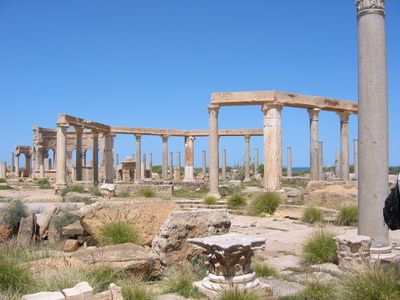
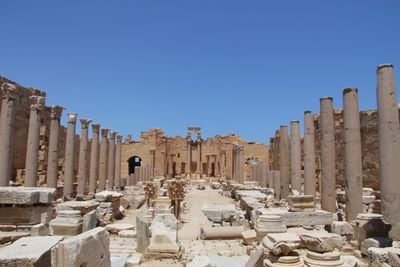
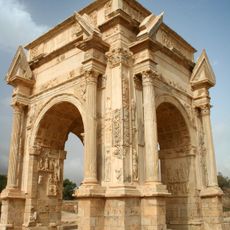
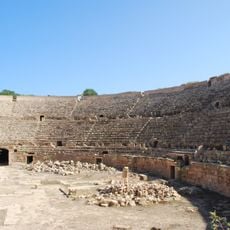
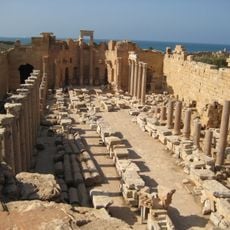
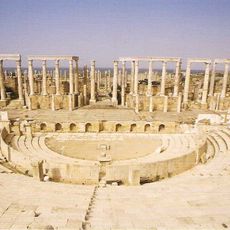
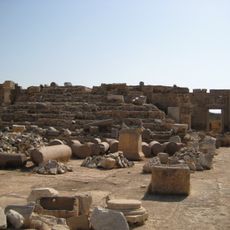
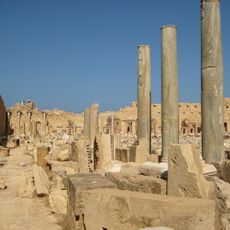
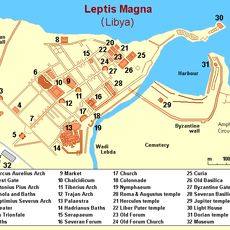
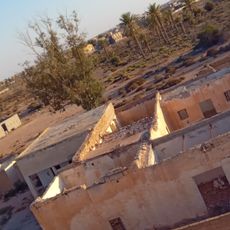
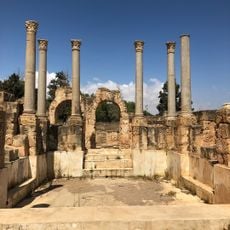
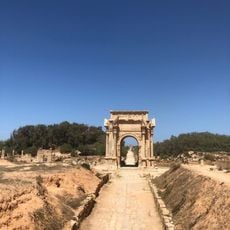
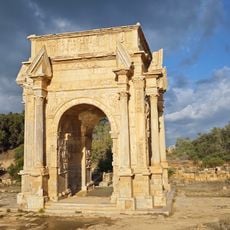
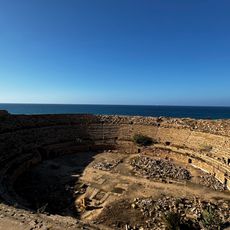
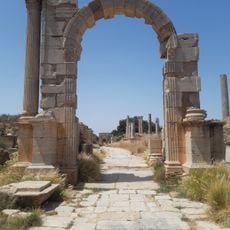
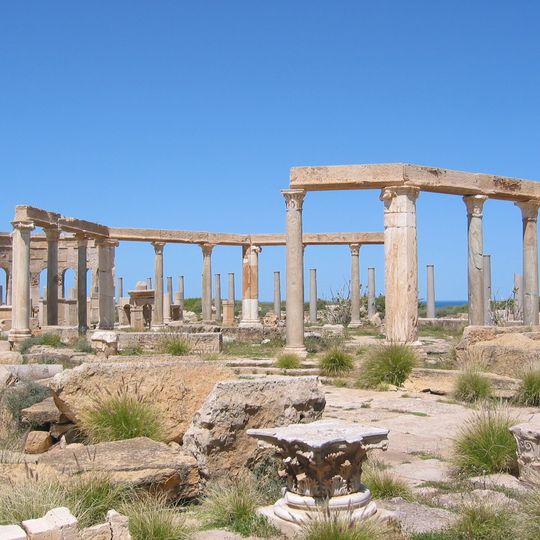
Leptis Magna is a Roman settlement in al-Khums with preserved temples, a theater, and public squares built from limestone. The ruins stretch along the coast and reveal street grids, colonnaded walkways, and bath complexes with mosaic floors.
Phoenician traders established the settlement in the 7th century BCE as a trading post. Under Roman emperor Septimius Severus, who was born here, the city reached its greatest expansion during the 2nd and 3rd centuries.
The Latin name means "great city," a reference to its size compared to neighboring settlements. Local stonecutters left tool marks visible on column bases and wall blocks, showing how craftsmen shaped the limestone on site.
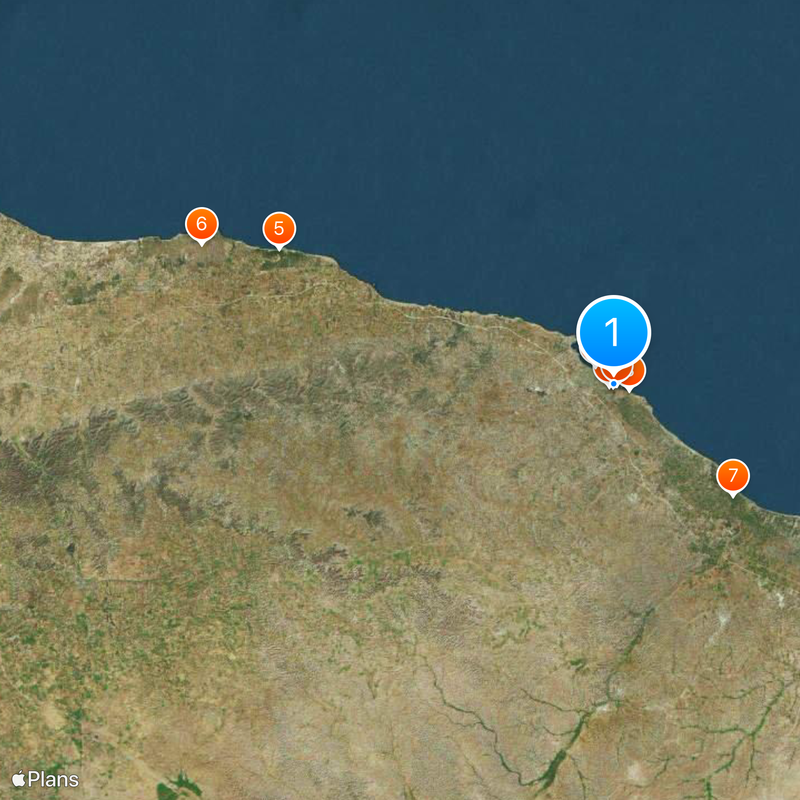
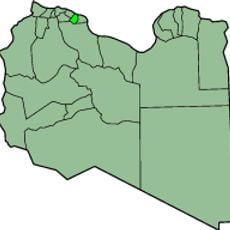
The site lies about three kilometers east of al-Khums town center and is reachable on foot. Visitors should wear sturdy footwear, as paths cross uneven stone pavements and sandy areas.
An aqueduct carried water from roughly 19 kilometers away to the city. The Hunting Baths display painted wall scenes with the names of depicted hunters scratched directly into the plaster.
The community of curious travelers
AroundUs brings together thousands of curated places, local tips, and hidden gems, enriched daily by 60,000 contributors worldwide.