Leptis Magna Museum, Archaeological museum in Al-Khums, Libya
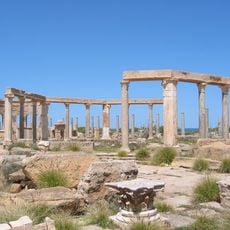
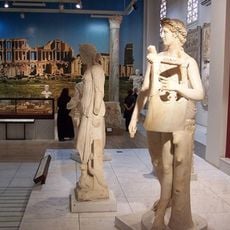
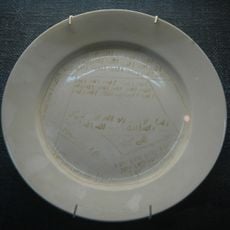
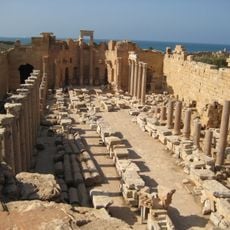
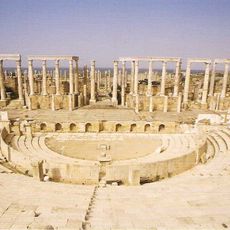
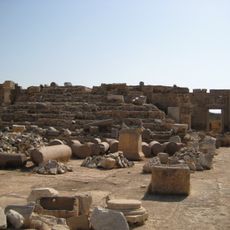
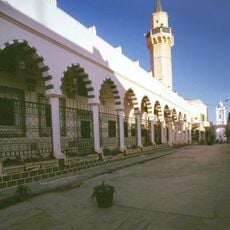
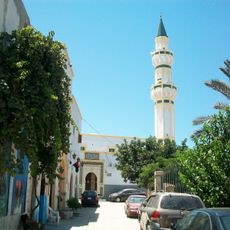
The Leptis Magna Museum is a collection of objects from the ancient city of Leptis Magna in Libya, inhabited by different settlers over many centuries. The exhibition displays statues, tools, jewelry, and pottery that show the daily life and craftsmanship of these ancient people.
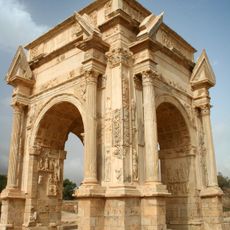
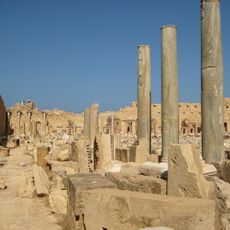
The city of Leptis Magna was founded by Phoenicians and grew into a wealthy trading center under Roman rule. Under Emperor Septimius Severus in 193 AD, the city reached its greatest prosperity with splendid buildings and monuments.
The collection shows objects from different periods that reflect how multiple peoples shared life in Leptis Magna. Visitors see crafted items and belongings from Berber, Phoenician, and Roman makers that document the cultural diversity of this ancient city.
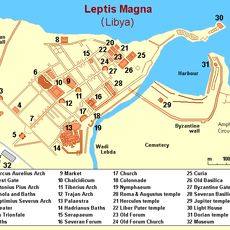
The museum sits at the entrance to the archaeological site and is easy to reach. The exhibition is clearly organized, and visitors get information and support on-site to understand the objects and where they come from.
The museum holds rare mosaics showing gladiators from the 1st and 2nd centuries, found in 2005 along the Libyan coast. These floor mosaics are especially valuable because they show what combat and entertainment looked like in Roman times.
The community of curious travelers
AroundUs brings together thousands of curated places, local tips, and hidden gems, enriched daily by 92,613 contributors worldwide.