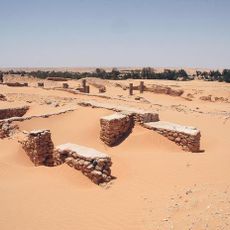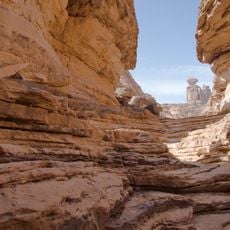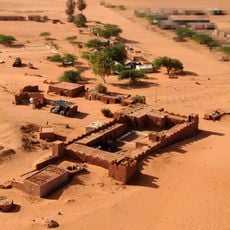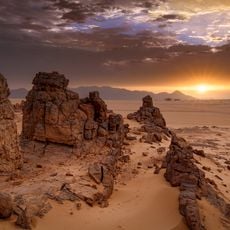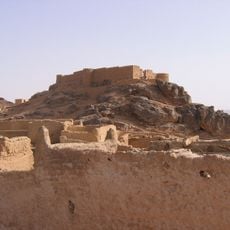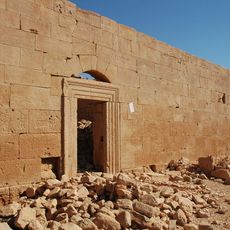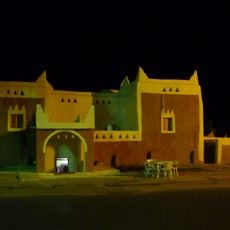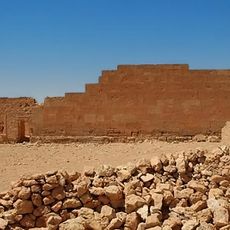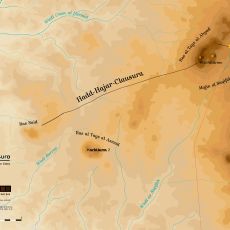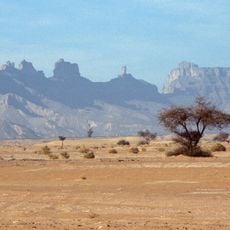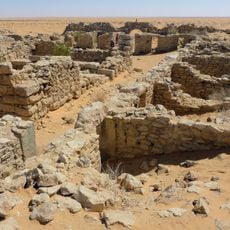
Wadi Mathendous, Archaeological site in Fezzan region, Libya.
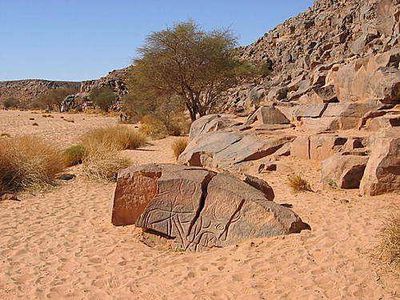
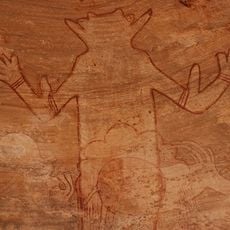
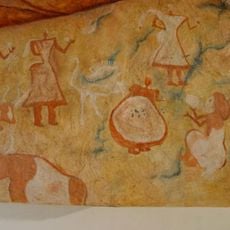
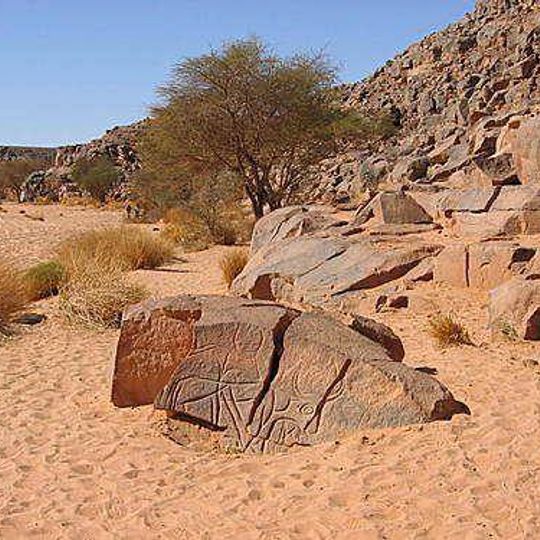
Wadi Mathendous is an archaeological site in the Fezzan region with rock carvings depicting diverse animal species. Stone surfaces here hold engravings of elephants, giraffes, aurochs, and crocodiles carved with remarkable detail.
The rock carvings date back roughly 8000 years to the Neolithic period, when the Sahara was still green and inhabited. These petroglyphs provide evidence of early human settlements in a landscape vastly different from today.
The rock carvings reveal how ancient people here lived alongside wildlife through hunting scenes and animal depictions. You can sense from these images which creatures roamed this land and how central hunting was to their survival.
The site sits at 673 meters elevation in a remote desert location and requires advance planning and official permissions for visits. Travel here is challenging and should be arranged with experienced guides and proper equipment.
One of the more recognizable carvings shows two large felines locked in combat on the rock surface. This powerful image often captures visitors' attention as a memorable highlight when exploring the site.
Location: وادي الحياة
Address: 7FQJQ57C+95, Libya
Website: https://wmf.org/project/wadi-mathendous-rock-art
GPS coordinates: 25.76338,12.17039
Latest update: December 6, 2025 19:10
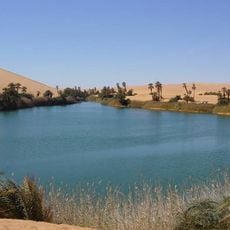
Libya holds some of the Mediterranean world's most important ancient ruins. You can walk through Roman cities like Leptis Magna, where a 16,000-seat amphitheater still stands, or explore the Greek settlement of Cyrene, founded more than 2,500 years ago. Berber communities left their mark across the landscape, from the fortified mountain villages of Nalut to the desert town of Ghadames, where covered streets and traditional irrigation systems have survived for over a thousand years. Beyond the ancient cities, Libya's museums bring these civilizations to life. The Zliten Museum houses beautiful mosaics and sculptures from the Roman period, while the Benghazi National Museum displays pottery, coins, and artifacts uncovered over the past century. You can also visit the Gurgi Mosque in Tripoli, an 18th-century building with Ottoman decorations and Italian marble that shows how cultures mixed in this region. The landscape itself tells stories. In the heart of the Sahara, the Ubari Oasis offers a surprising sight—lakes surrounded by palms and sand dunes, a place where Tuareg people have lived for generations. Rock carvings scattered across the desert, mountain ranges, and hidden oases reveal how people adapted to this harsh environment over thousands of years.
Séfar
280.6 km
Waw an Namus
570.1 km
Limes Tripolitanus
553.2 km
Tadrart Acacus
211.9 km
Gasr Zerzi
604.9 km
Madama
450.5 km
Tassili Cultural Park
329.6 km
Gaberoun
178.8 km
Bu Njem (Gholaia)
623.2 km
Ghirza
625 km
Gheriat el-Garbia
532.7 km
Fortress of Ghat
218.9 km
Gasr Banat
680.9 km
Ghadames Museum
552.8 km
Germa Museum
123.4 km
Gheriat esh-Shergia
533.7 km
Hadd-Hajar-Clausura
678.5 km
Idinen
201.4 km
Cidamus
552.8 km
Centenarium Gasr Duib
656.2 km
Atiq Mosque
552.8 km
Mafo Lake
175.5 km
Ghirza, necropolis
628.8 km
قلعة مرزق Murzuq Castil
175.2 km
Fort of Djado
528.7 km
Al Asnam, Ghadamis
554.4 km
Tengerzan lake
182.8 km
Old Town of Ghadamès
552.8 kmVisited this place? Tap the stars to rate it and share your experience / photos with the community! Try now! You can cancel it anytime.
Discover hidden gems everywhere you go!
From secret cafés to breathtaking viewpoints, skip the crowded tourist spots and find places that match your style. Our app makes it easy with voice search, smart filtering, route optimization, and insider tips from travelers worldwide. Download now for the complete mobile experience.
A unique approach to discovering new places❞
— Le Figaro
All the places worth exploring❞
— France Info
A tailor-made excursion in just a few clicks❞
— 20 Minutes